Key Highlights
- Austin has experienced over 45 days without measurable rainfall.
- An upcoming cold front brings significant precipitation chances from Friday to Sunday.
- The region faces a 15% chance of excessive rainfall, but dry soils may absorb much of it.
- Temperatures will drop due to increased cloud cover and rain-cooled air.
Austin Sees Over 45 Days Without Measurable Rainfall
Central Texas has been grappling with severe drought conditions for nearly two months, with Austin experiencing over 45 consecutive days without measurable rainfall since September. The last recorded rain was a mere trace on September 6 and 7. This prolonged dry spell has left lawns parched, vegetation brittle, and the region in dire need of relief.
The National Weather Service reports that satellite imagery taken on Wednesday afternoon revealed clear, sunny skies across Texas. Austin’s primary weather station at Camp Mabry recorded this streak, which is likely to continue through Thursday before a cold front moves in.
Upcoming Cold Front Brings Rain and Potential Flooding
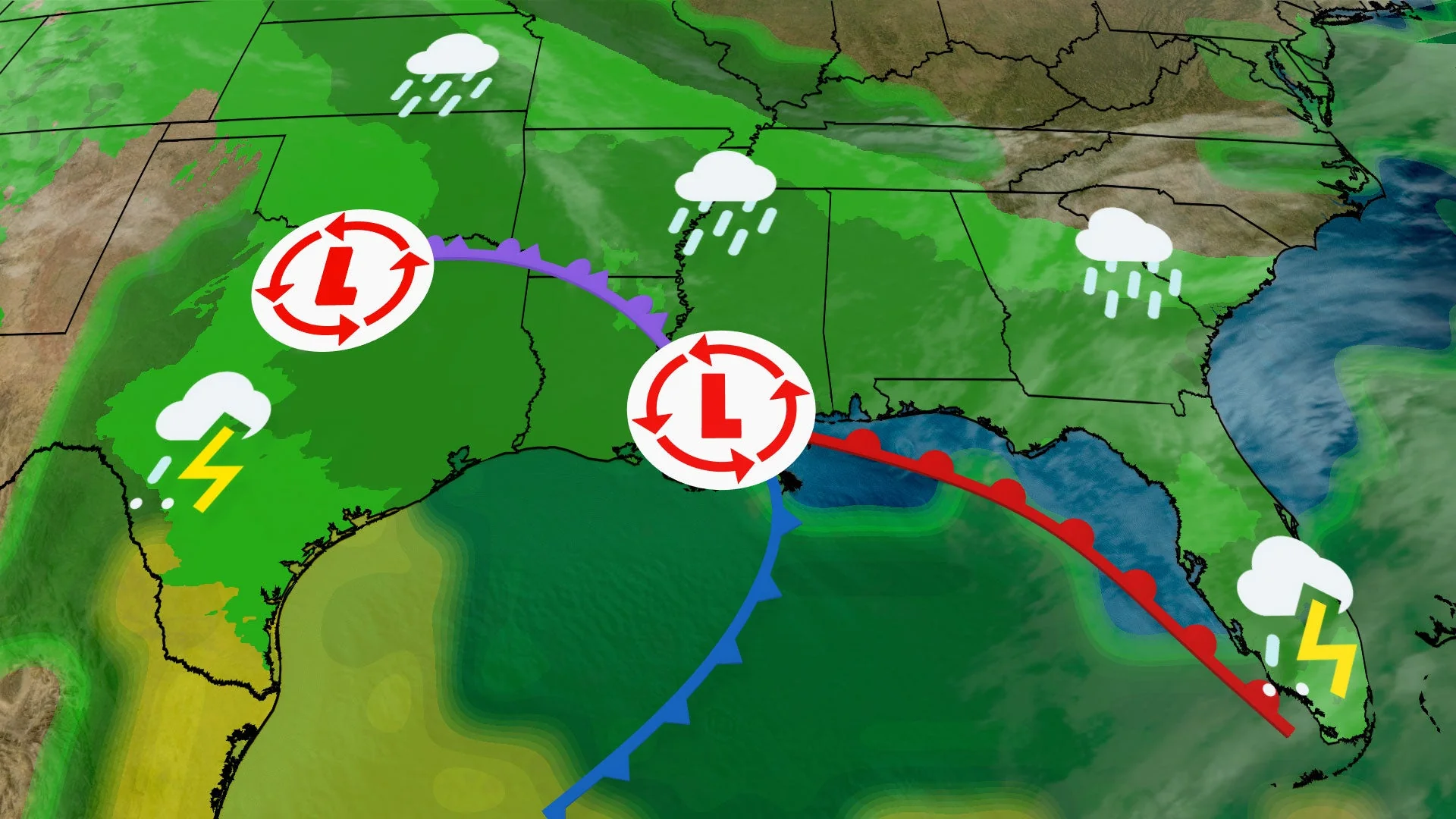
A significant meteorological event is expected to bring much-needed relief to the region. An area of low atmospheric pressure will move into the Four Corners region on Thursday, then push into Central Texas by Friday and Saturday. This cold front is forecasted to trigger widespread rainfall, ending the drought.
According to current models, the highest rain chances (up to 80%) are expected from Friday evening through Saturday as the cold front moves across South-Central Texas.
While severe thunderstorms are unlikely, locally heavy rainfall is possible in areas including the Austin and San Antonio metro regions. Current trends predict between one to two inches of rainfall, with isolated higher amounts if the storm slows down.
The National Weather Service has raised the flood forecast risk to level 2 out of 4 across most of Central Texas for Friday, indicating at least a 15% chance of excessive rainfall. This could become more than a nuisance and overwhelm low-lying areas with poor drainage, especially in flash flood-prone regions.
Impact on Local Environment and Infrastructure
The prolonged drought has significantly impacted the local environment, with soils dried out and vegetation struggling to survive. However, dry soil conditions could work in favor of soaking up much of the rainfall, mitigating some flood risks. The West Gulf River Forecast Center notes that “With the ‘Third Summer,’ soils have dried out and vegetation is holding on, so runoff will be slow to occur.” Area lakes are also better prepared, having recovered from spring and summer rains, offering ample storage for water supply and flood control.
Despite potential flooding risks, the cooler temperatures brought by increased cloud cover and rain-cooled air could provide a welcome respite.
Morning temperatures on Friday through Sunday will range in the lower to mid-60s, while afternoons will remain in the 80s.
The upcoming rainfall presents both challenges and opportunities for Central Texas. While it may bring temporary relief from drought conditions, residents should remain vigilant about potential flood risks and prepare accordingly as the cold front approaches over the coming days.