Key Highlights
- Manganese plays a double role in the bacterium that causes Lyme disease, both protecting and weakening it.
- A new study by Northwestern University and Uniformed Services University found that manipulating manganese levels could lead to new treatments for Lyme disease.
- The research suggests targeting the way B. burgdorferi manages its manganese could weaken the pathogen during infection.
- Manganese is both a shield and a weakness in Borrelia burgdorferi, making it a potential Achilles’ heel for future therapies.
New Research Unveils Manganese’s Double-Edged Role in Lyme Disease
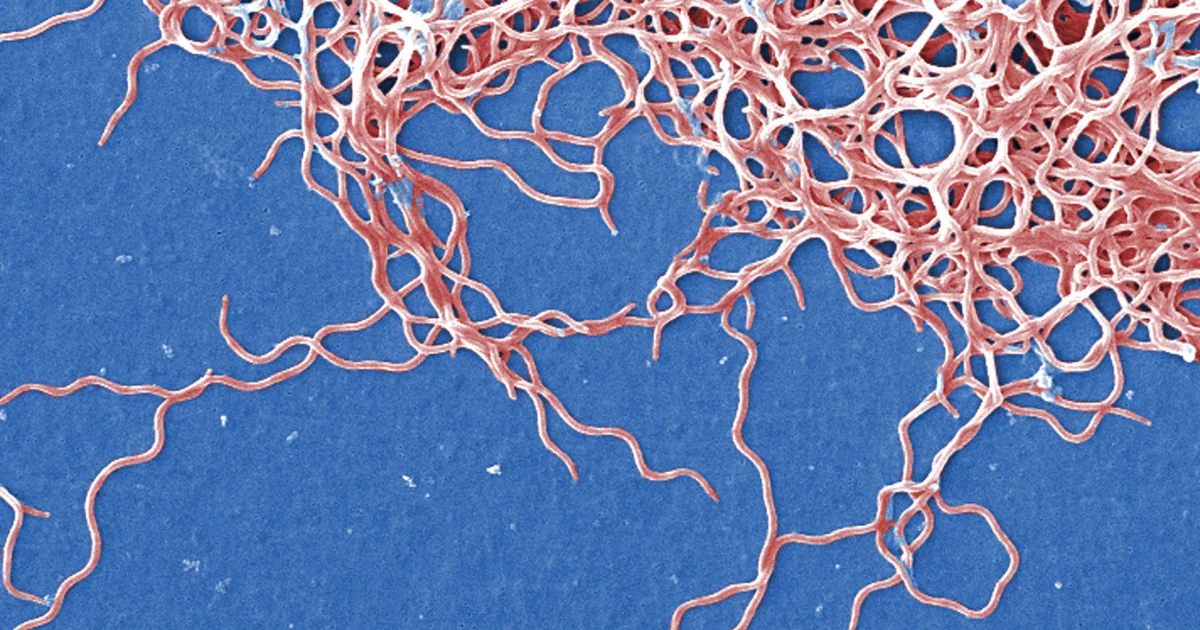
For decades, the bacterium Borrelia burgdorferi, responsible for causing Lyme disease, has posed a significant challenge to medical researchers and healthcare providers. However, recent findings from a collaborative study between Northwestern University and Uniformed Services University (USU) shed light on a surprising vulnerability within this hardy microorganism. The research, published in the journal mBio on November 13, 2025, reveals that manganese, which typically protects B. burgdorferi against its host’s immune system, can also be manipulated to weaken it.
The Role of Manganese: Shield and Weakness
Manganese is crucial for the survival of B. burgdorferi in its natural environment by shielding it from the harmful effects of oxygen radicals produced by the host’s immune system. However, the new study shows that this mineral can also be a double-edged sword. If B. burgdorferi is either starved of or overloaded with manganese, the bacteria become highly vulnerable to the host’s immune system or treatments they would otherwise resist.
“Our work shows that manganese is both Borrelia’s armor and its weakness,” said Brian Hoffman, a co-leader of the study from Northwestern University. “If we can target the way it manages manganese, we could open doors for entirely new approaches for treating Lyme disease.”
Understanding B. burgdorferi’s Manganese Defense System
The research team used advanced techniques such as electron paramagnetic resonance (EPR) imaging and electron nuclear double resonance (ENDOR) spectroscopy to create a molecular map of manganese inside the living bacteria. This map revealed that B. burgdorferi uses a two-tier defense system comprising an enzyme called MnSOD, which acts like a shield, and a pool of manganese metabolites, functioning as a sponge to neutralize toxic molecules.
According to the study, the bacteria constantly juggle where to send the manganese—either to the MnSOD enzymes or the metabolite pool. Too little manganese weakens the defense mechanisms, while too much becomes toxic because the bacteria can no longer store it safely. This delicate balance is crucial for the pathogen’s survival.
Potential New Therapies and Treatment Approaches
The discovery of this manganese-based vulnerability opens up new avenues for developing therapeutic strategies against Lyme disease. Future drugs could potentially target B. burgdorferi’s manganese management, either by starving it of the mineral or pushing it into toxic overload. Such approaches would leave the pathogen wide open to attack by the host’s immune system.
“By disrupting the delicate balance of manganese in B. burgdorferi, it may be possible to weaken the pathogen during infection,” said Michael Daly, a co-leader from USU. “Manganese is an Achilles’ heel of its defenses.”
Background and Impact
The study was supported by various funding agencies, including the Congressionally Directed Medical Research Programs’ Tick-borne Disease Research Program and the National Institutes of Health. The research not only advances our understanding of Lyme disease but also highlights the potential for targeting critical minerals in pathogens as a novel treatment strategy.
According to the Centers for Disease Control and Prevention (CDC), roughly 476,000 people in the United States are diagnosed annually with Lyme disease. Currently, there are no approved vaccines against the disease, and long-term use of antibiotics can lead to complications due to the potential harm to beneficial gut bacteria.
The findings from this study could have significant implications for future medical research and treatment options for Lyme disease, potentially offering a more targeted and effective approach than current methods.