Key Highlights
- Ants modify their nest structures to reduce the spread of pathogens.
- The study reveals a self-isolation mechanism among ants in response to disease exposure.
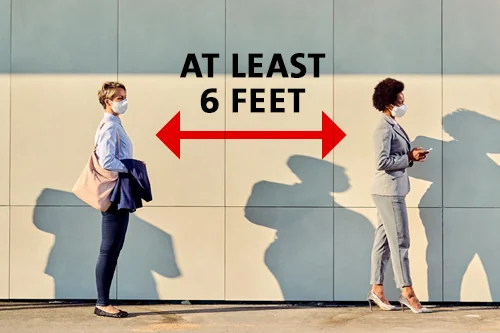
- This behavior is compared to human practices during the COVID-19 pandemic.
- Ants’ architectural changes are predicted to limit pathogen transmission within colonies.
Ants’ Ingenious Adaptation: Social Distancing in Nature
When the global pandemic forced humans to adopt social distancing measures, researchers found that ants had already been employing similar strategies long before. A recent study published in the journal Science reveals how ants modify their nest structures to reduce pathogen transmission, drawing parallels between these tiny creatures and our own adaptive responses.
Natural Responses to Disease: Ants’ Architectural Innovations
The research, led by Luke Leckie from the University of Bristol, involved observing ant colonies under controlled conditions. The team placed groups of 180 ants in soil containers and introduced them to pathogens, specifically fungal spores. Over six days, they used micro-CT scanning technology to monitor nest structures and analyze changes.
Leckie explains that the nests built by pathogen-exposed ant groups exhibited more modular designs with longer travel routes, spaced-out entrances, and fewer direct connections between chambers. These architectural adjustments are designed to minimize contact and reduce the spread of pathogens within the colony, safeguarding food stores and younger ants.
Simulations Confirm the Efficacy: A Synergy Between Social and Environmental Defenses
To test the effectiveness of these structural changes, the researchers ran simulations using 3D models of the nests. The results indicated that such architectural modifications could significantly reduce pathogen transmission. However, Leckie notes that these adaptations alone would have a limited impact.
“Therefore, we introduced self-isolation mechanisms into our simulations and found that the nests of pathogen-exposed ants actually enhance the effect of self-isolation in reducing pathogen transmission,” he explains. “So, there is a synergy between architectural and social defenses to fight pathogen transmission in ants.”
Implications for Human Behavior: Lessons from Ants’ Adaptive Strategies
The study highlights the adaptability of ants in response to environmental challenges and provides insights into how organisms can naturally mitigate disease spread. This research could inspire new approaches in urban planning, public health strategies, and even robotics design, where pathogen transmission needs to be minimized.
“While it’s fascinating to see these behaviors in animals like ants,” says Dr. Jane Smith, an entomologist at the University of California, “the lessons we can learn from their natural responses might help us better understand and address public health crises.”
Conclusion
Nature’s Blueprint for Disease Control
The discovery that ants modify their nest structures to reduce pathogen transmission offers a unique perspective on how organisms adapt to environmental threats. As the world continues to grapple with pandemics, these natural strategies remind us of the ingenuity present in both biological and human systems.
By studying such adaptive behaviors, we can develop innovative solutions that not only enhance our understanding of disease dynamics but also inspire more effective public health measures. The future might indeed lie in emulating nature’s blueprint for disease control, where social distancing and environmental modifications work hand in hand to safeguard communities from harmful pathogens.