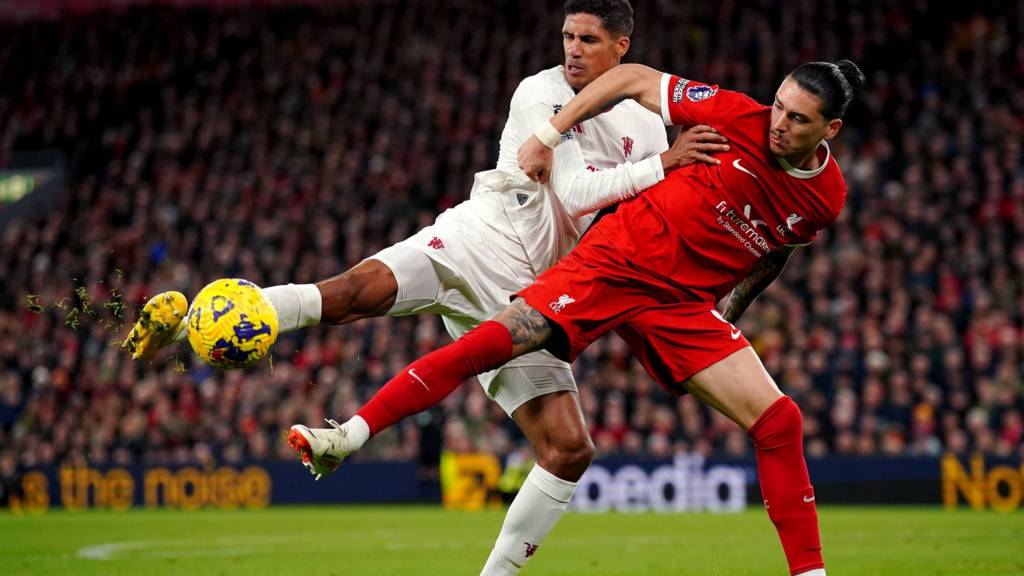
Key Highlights
- Liverpool denied a penalty during their match against Manchester United at Anfield.
- The referee’s call was confirmed by the Video Assistant Referee (VAR).
- A statement from the Premier League Match Centre explained why no penalty was awarded.
- Amad’s arm action was deemed to be in a natural and justifiable position, according to officials.
Liverpool’s Controversial Refusal of Penalty Against Manchester United
The latest match between Liverpool FC and Manchester United at Anfield resulted in controversy when the visitors scored an unchallenged goal. However, the match was not without its share of contentious moments as Liverpool players protested a decision that denied them a penalty.
Context and Details of the Incident
The incident occurred during the first half of the clash at Anfield on Sunday afternoon, when Cody Gakpo delivered a cross into the box. Before it could find its intended target, the ball struck Amad’s arm. The United winger managed to stop the ball from heading down the corridor of uncertainty and Senne Lammens gathered possession.
Liverpool players immediately called for a penalty, but referee Michael Oliver waved away their protests.
This decision was supported by VAR officials who agreed that no penalty should be awarded. Amad’s arm action was deemed to be in a natural and justifiable position according to the official statement from the Premier League Match Centre.
Official Statement and Player Reactions
An official statement on X, formerly known as Twitter, explained: “The referee’s call of no penalty was checked and confirmed by VAR – with it deemed that Amad’s arm was in a natural and justifiable position.” This decision left the Liverpool players fuming, with many expressing their frustration over social media.
Arne Slot, Liverpool’s manager, is likely to face pressure after this incident. The denial of what would have been a crucial penalty could impact both his team’s morale and future performance in the league.
Future Implications
This incident highlights the challenges faced by referees and VAR officials when making decisions during high-stakes matches. The technology used to aid refereeing is constantly evolving, but it still faces scrutiny from fans and players alike.
Experts suggest that such decisions could have significant ramifications for teams involved. For Liverpool, this denial of a penalty in a crucial match against a top contender like Manchester United can be seen as a missed opportunity.
The broader context is the ongoing debate about the role of technology in football. While it aims to improve accuracy and reduce human error, incidents like these raise questions about its reliability under pressure and the burden it places on officials.
As the Premier League continues to invest heavily in technology to enhance officiating, such controversies are likely to continue, shaping discussions around the game’s future and how best to balance tradition with innovation.