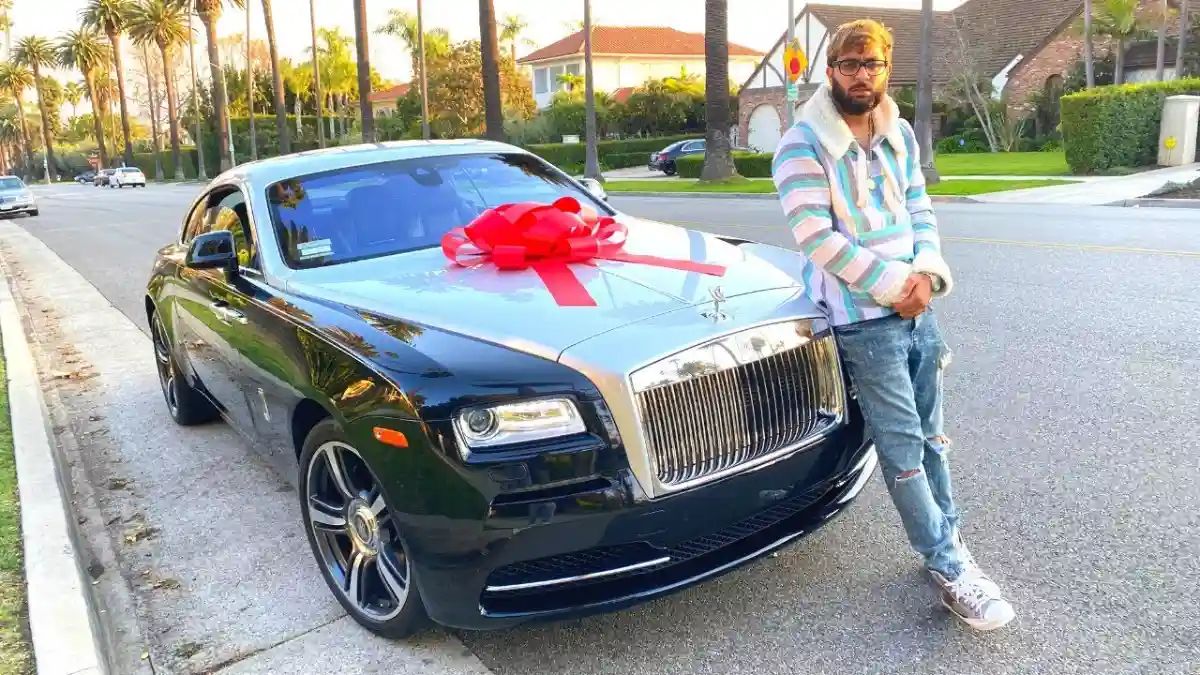
CoolKicks CEO Arrested After LAPD Raid at Santa Monica Warehouse (2025): What Happened, Why It Matters, and the Money Angle
TL;DR
- Who: CoolKicks CEO & co-founder Adeel Shams.
- What: Arrest following an LAPD raid on a Santa Monica warehouse; allegation involves receiving stolen property; investigation ongoing.
- When: October 2–3, 2025 (Pacific Time).
- Where: Warehouse tied to CoolKicks; brand known for a flagship on Melrose Ave, Los Angeles.
- Viral moment: Part of the incident was captured on a livestream before it cut off.
- Status: Shams was booked and later released; court date set for late October; CoolKicks says it bought goods in good faith and denies counterfeit claims.
Why this story matters (and not just to sneakerheads)
The CoolKicks brand isn’t just another boutique—its YouTube reach, celebrity customers, and live-commerce auctions turned it into a bellwether for the resale economy.
An enforcement action of this visibility raises bigger questions: How resilient is the sneaker resale model? What are the cash-flow and insurance implications if inventory is seized? Could platforms face new compliance guardrails?
These are high-CPM finance angles that attract advertisers: asset seizure, risk management, working capital, fraud exposure, supply-chain due diligence, and brand-safety.
The confirmed timeline so far
- Raid and arrest: LAPD’s Bunco/Forgery Division—which typically handles fraud and counterfeit cases—took Shams into custody after a warehouse raid tied to CoolKicks. He was booked on a felony count related to receiving known stolen property (over $950), then released.
- Livestream interruption: A Whatnot livestream abruptly ended as noises were heard and Shams questioned if it was a swatting attempt—before the feed cut.
- Company statement: A CoolKicks representative said a small allotment of Nike sneakers purchased within 48 hours was impounded; the brand claims good-faith acquisition and stresses no allegation of counterfeit products.
- Next key date: A Los Angeles Superior Court appearance is slated for late October 2025.
Important: These are allegations, not findings of guilt. The investigation is ongoing.
Background: Who is Adeel Shams and what is CoolKicks?
Founded in 2014 and later anchored on Melrose Avenue, CoolKicks built a reputation for limited-edition footwear and celebrity clientele. The brand’s media savvy—especially on YouTube and live-selling platforms—helped convert hype into high-velocity inventory turns, often bidding up prices in real time. That flywheel—social proof → demand spikes → quick flips → cash conversion—is precisely why legal turbulence can ripple through the secondary market.
The finance angle: how enforcement risk hits the resale business
1) Working capital & liquidity
- Seized inventory (even temporarily) freezes saleable stock, stressing cash flow.
- Live-auction operators rely on fast turnover; any pause raises storage, interest, and refund risk.
2) Insurance & loss modeling
- Policies may cover theft or fraud incidents differently depending on knowledge and documentation.
- If goods are later proven clean, claim recovery and reputational repair become priority; if not, firms may face write-downs.
3) Compliance stack & vendor due diligence
- Expect tighter KYC/KYB-style sourcing checks with vendor attestations, invoices, and chain-of-custody logs.
- Platforms could require automated provenance audits and transaction monitoring, especially for high-risk SKUs (e.g., hot Nike/Jordan drops).
4) Platform policy spillovers
- Livestream commerce platforms may add enhanced seller verification, SKU whitelists, proactive takedowns, and audit flags for unusual flows.
5) Investor/advertiser sentiment
- Brand-safety concerns push advertisers toward finance-adjacent, risk-aware content. Coverage with clear disclosures and legal nuance tends to perform in high-CPM categories.
What we know (and don’t)
Known
- Arrest location & agency: Santa Monica/Los Angeles area, LAPD Bunco/Forgery Division.
- Allegation: Receiving known stolen property over $950.
- Livestream disruption: The event spilled onto a live feed before it cut.
- Company position: Good-faith purchase, no counterfeit allegations per the brand’s statement.
Unknown (as of publication)
- Final charging decisions, scope of seized inventory, supply-chain origin, and case outcome. (Active investigations typically reveal these over time.)
How a case like this can reshape sneaker resale operations
1) “Source-of-truth” documentation becomes make-or-break
Resellers may double down on purchase receipts, vendor IDs, serial/UPC logs, and timestamped intake videos to prove good-faith acquisition. For high-value pairs, expect enhanced provenance—think escrow-like holding, inspections, and multi-party attestations.
2) Live-auction governance
To keep buyer trust, platforms could implement:
- Pre-list authentication checks for premium SKUs.
- Seller risk scoring (chargeback history, supplier concentration).
- Automated anomaly detection (rapid swings in quantity/price vs. historic).
3) Cash-flow buffers & contingency planning
Operators may need larger cash cushions and credit lines to withstand inventory holds or returns triggered by investigations.
4) Consumer impact
Short term: Listing volatility, possible price dips as sellers de-risk.
Medium term: Premium for verified provenance, longer fulfillment windows as checks tighten.
What CoolKicks has said so far
CoolKicks’ public stance emphasizes integrity, good-faith purchasing, and the absence of counterfeit accusations by law enforcement. The brand signals confidence that “the truth will come out.” For shoppers, the takeaway is that the store remains operational while cooperating with authorities—an approach designed to stabilize customer confidence and platform relationships during uncertainty.
Practical advice for buyers and sellers (not legal advice)
For buyers:
- Favor listings with clear proof of purchase, detailed photos, and third-party authentication.
- Use platform protections (escrow, buyer guarantees).
- Avoid too-good-to-be-true pricing spikes during headline moments.
For sellers:
- Maintain tight intake controls: vendor IDs, signed bills of sale, timestamped photos/videos.
- Build redundant supplier networks; avoid single-source concentration.
- Keep compliance folders (invoices, chats, shipping labels) tied to each SKU in case of audits.
- Consider insurance riders for high-value inventory and cyclical risk.
Frequently Asked Questions (FAQs)
1) Was the CoolKicks CEO charged with selling counterfeits?
As of now, the public statements emphasize an allegation of receiving stolen property, not counterfeit sales. CoolKicks says no counterfeit allegation has been made by law enforcement. The investigation is ongoing.
2) Did this really happen on a livestream?
A portion of the incident coincided with a live Whatnot stream that abruptly ended, which helped the story spread fast on social media.
3) Is CoolKicks still open?
Yes, operations continue while the case proceeds, and the company has issued statements to reassure customers.
4) What happens to buyers who recently purchased sneakers from the impounded lot?
Typically, platforms and sellers communicate next steps if an item is impacted. Refunds, replacements, or delays can occur depending on the case status and platform policy.
5) What’s the next legal milestone?
A court appearance in late October 2025 is referenced in reporting; outcomes depend on charging decisions, evidence review, and negotiations.
6) How could this affect sneaker prices?
Short term, you might see listing volatility; medium term, expect higher premiums for verified provenance and stricter seller requirements across platforms.
Conclusion
The CoolKicks story is bigger than one brand—it’s a stress test for the sneaker resale economy in the live-commerce era. An LAPD raid, an arrest, and a livestream flashpoint create a perfect storm that brings provenance, compliance, and cash-flow resilience into sharp focus. For buyers, the smartest move is to prioritize documentation and platform protections. For sellers, it’s time to industrialize your compliance: airtight vendor vetting, chain-of-custody records, and insurance that reflects today’s enforcement risks. As the case develops, the market will watch not just for legal outcomes—but for the operational playbooks that come next.
Disclaimer: The information above summarizes publicly reported details and company statements at the time of writing. All individuals are presumed innocent unless proven guilty in a court of law. Ongoing investigations can change or clarify facts.