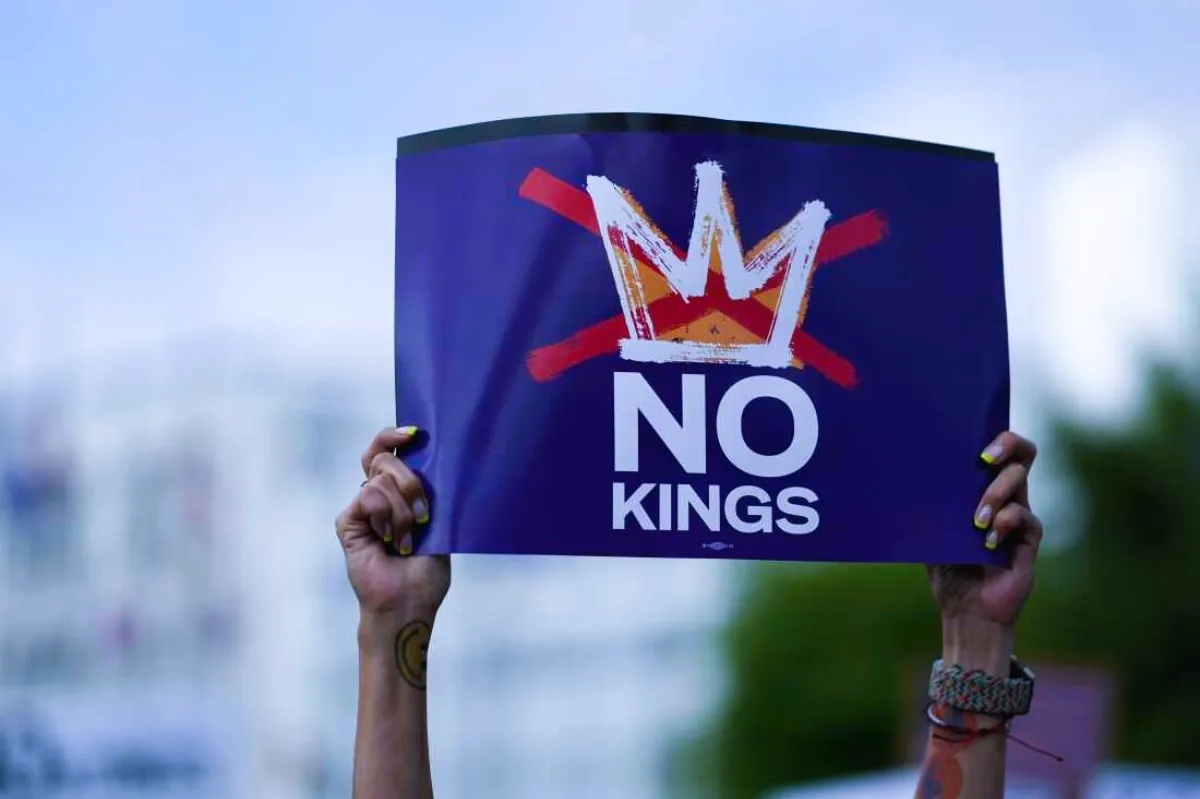
No Kings protest 2025: Why a crowd-for-hire CEO called it a “dud” — and how outside agitators raise real brand-safety risk
TL;DR:
A well-known crowd-for-hire CEO dismissed the No Kings protest as a “dud,” but the bigger story is the warning about outside agitators, astroturfing, and the ripple effects on brand safety, advertising ROI, and market sentiment.
This beginner-friendly guide translates the headlines into action steps for CMOs, CFOs, founders, and communications teams—so you can protect budgets, reputation, and investor confidence.
What happened—and why brands should care
In recent discussions, a crowd-for-hire executive characterized the No Kings protest as underwhelming in real-world turnout and impact while cautioning that outside agitators can still hijack narratives and escalate risk.
Whether you agree or not, the brand-safety implications are the same: the No Kings protest is a case study in how online momentum can look massive yet convert weakly offline, and why even a “dud” can pose outsized risks when fringe actors or opportunists latch on.
Key points for busy teams:
- Online chatter can overstate the scale of the No Kings protest, but one viral moment can still trigger real-world incidents.
- Outside agitators—not always aligned with original organizers—can amplify conflict, complicate security planning, and distort public perception.
- For advertisers, retail chains, and enterprises, the calculus touches brand safety, insurance liability, store-level security, PR crisis costs, and advertising ROI.
What is the “No Kings protest,” in plain English?
At its simplest, the No Kings protest frames grievances around power, governance, and perceived elitism—often in language that plays well on social platforms. The theme resonates broadly because it’s symbolic, letting multiple groups project their issues onto one banner. That same vagueness, however, attracts outside agitators and opportunists who can reshape the message, create flashpoints, or stage content for clicks.
Why it trends even if attendance lags:
- Low-bar participation online (shares, likes, short videos).
- High narrative oxygen—easy to remix, meme, and spin.
- Algorithmic boost from polarizing frames and dramatic visuals.
This is why a crowd-for-hire executive might label the No Kings protest a “dud” on turnout while still urging vigilance about manipulation and spillover risks.
“Dud” vs. Danger: Both can be true
Calling the No Kings protest a “dud” captures one dimension—numbers. But risk teams care about tail risk: low-probability, high-impact events. Even a small gathering can generate:
- Ambush content that harms a brand’s reputation.
- Property damage or security incidents that raise insurance premiums.
- Copycat actions that flare briefly yet repeatedly near high-traffic stores.
So while the No Kings protest might not be “mass,” it can still be costly if outside agitators provoke confrontations or stage sensational footage.
The protest economy 101: Who pays—and why it matters for ROI
When a crowd-for-hire CEO weighs in, it highlights the economics of mobilization:
- Organic vs. paid participation: Paid transport, stipends, or influencer tie-ins can inflate perceived momentum without durable grassroots depth.
- Narrative arbitrage: Small actors try to punch above their weight by engineering viral moments that attract media and brand responses.
- Cost for brands: Security details, crisis PR, community outreach, and ad-spend reallocation to safer channels or geos.
If the No Kings protest underdelivers offline, advertisers still face opportunity costs—pausing campaigns, shifting budgets, or delaying launches until sentiment stabilizes.
Why outside agitators change the playbook
Outside agitators leverage ambiguity. They may not share the original goals of the No Kings protest, but they thrive on:
- Escalation (conflict gets clicks).
- Provocation (baiting officials or brand guards into camera-ready moments).
- Narrative hijacking (steering attention to unrelated agendas).
For brands, this means unpredictable reputational exposure, even when the base protest is peaceful. It also means security training and message discipline must be proactive—not reactive.
Brand safety & finance: What CFOs/CMOs should model this quarter
For leadership, treat the No Kings protest as a scenario exercise:
Cost centers to model
- Security & staffing: Guard rotations, overtime, store-hour adjustments.
- Insurance & legal: Liability coverage, counsel, and incident reviews.
- PR & comms: Monitoring, rapid-response content, community outreach.
- Media efficiency: Brand-safety filters, geo-exclusions, creative swaps.
High-CPM finance angles to watch
- Advertising ROI amid sentiment swings.
- Consumer spending around affected districts.
- Market volatility if incidents cross into national politics.
- Regulatory risk and compliance for public companies (disclosures, risk factors).
Even if the No Kings protest fizzles, a single incident can move the needle on investor confidence, especially in sectors sensitive to foot traffic and brand trust.
How to detect astroturfing without becoming a conspiracy theorist
Look for asymmetries rather than motives:
- Engagement mismatch: Big impressions but thin local attendance for the No Kings protest.
- Sudden spikes from a handful of accounts or pages with overlapping admin footprints.
- Template content: Identical scripts, signs, or visuals across cities without local context.
- Escalation patterns: Newcomer accounts pushing confrontational tactics unrelated to the original theme.
This is risk triage, not politics. You’re assessing whether content signals brand-safety exposure.
Practical playbook for brands (use today)
C-suite directives
- One owner: Designate a cross-functional lead (Security + Comms + Legal + HR).
- Risk tiers: Map stores/offices by exposure level near known rally points.
- Crisis guardrails: Pre-approve statements and do-not-say lists.
Marketing & media
- Geo controls: Exclude hot zones; activate brand-safety and suitability settings.
- Creative agility: Maintain neutral variants if the No Kings protest trends in your category.
- Influencer hygiene: Vet ties to agitator networks; pause if signals spike.
On-site operations
- De-escalation training: Teach non-confrontational protocols; avoid “viral bait.”
- Camera awareness: Assume you’re always on film; funnel incidents to trained spokespeople.
- Rapid cleanup: Remove inflammatory signage fast; document and notify legal.
Measurement
- Unified log: Tag incidents as protest-adjacent; track revenue impact and costs.
- Attribution updates: Flag campaign dips tied to protest windows, not creative quality.
- Board reporting: Integrate protest-related costs into quarterly risk disclosures.
Trend snapshot
| Metric (2025) | Baseline | Current Read | Direction | Notes for CFO/CMO |
|---|---|---|---|---|
| Brand-safety alerts | Low | Moderate | ↑ | Watch No Kings protest spillover |
| Store-level security cost | Normal | +5–10% | ↑ | Overtime & vendor coverage |
| Ad-spend efficiency (ROAS) | Stable | Slight dip | ↓ | Geo-exclusion + creative swaps |
| Consumer sentiment | Neutral | Mixed | ↔ | Localized, narrative-driven |
| Investor confidence | Stable | Sensitive | ↔/↓ | Headline-driven volatility risk |
Tip: Update weekly with your internal numbers; keep this table for board and audit trails.
Key signals to monitor this month
- Local permit filings vs. actual footfall for the No Kings protest.
- Hashtag velocity vs. unique real-world organizers.
- Influencer-led narratives suddenly joining late with off-message calls to action.
- Copycat events near malls, campuses, and transit hubs.
- Ad verification dashboards indicating brand-safety spikes.
Messaging that works when tensions rise
- Neutral, factual tone: Acknowledge the No Kings protest without endorsing or vilifying.
- Community-first language: Emphasize safety, access, and respect for customers and employees.
- Single spokesperson: Reduces the odds of contradictory soundbites that agitators can remix.
Avoid speculative claims about organizers. Focus on service continuity, employee safety, and customer experience.
FAQs
Q1. Why did a crowd-for-hire CEO call the No Kings protest a “dud”?
Because offline turnout and sustained mobilization appeared limited compared with the online buzz. Still, the No Kings protest can carry reputational risk if outside agitators provoke incidents.
Q2. What’s the real danger if the No Kings protest is small?
Tail risk. Even a small No Kings protest can produce viral clips, property damage, or PR crises if fringe actors escalate.
Q3. How should advertisers adapt during the No Kings protest news cycle?
Tighten brand-safety settings, apply geo-exclusions, and maintain neutral creative variants. If the No Kings protest trends near your stores, shift budget to safer channels.
Q4. How do we distinguish organic protest from astroturfing?
Look for mismatches: massive online engagement but thin local presence, templated content, or sudden No Kings protest narratives amplified by new or opaque accounts.
Q5. What should store managers do on the day of a No Kings protest?
Follow a de-escalation script, document incidents, and route media inquiries to HQ. Avoid confrontations that can turn the No Kings protest into viral bait.
Q6. How does the No Kings protest affect investor relations?
If incidents hit headlines, boards and analysts may ask about brand safety, security costs, and advertising ROI. Prepare a short memo linking the No Kings protest to any temporary sales or cost impacts.
Q7. Are outside agitators always part of the No Kings protest?
Not always. But ambiguous narratives attract opportunists. Assume outside agitators may attempt to hijack a No Kings protest and plan accordingly.
Q8. What reporting should finance expect after a No Kings protest event?
A line-item summary of security, legal, PR, and sales deltas tied to the No Kings protest window, with notes on mitigations and next steps.
Action checklist for the next 7 days
- Map locations near expected No Kings protest sites; set staffing accordingly.
- Pre-approve neutral creative; update brand-safety blocks.
- Brief store leads on de-escalation and media protocols.
- Monitor social spikes tied to outside agitators; slow-roll responses.
- Prepare a one-page CFO/CMO memo on potential cost and ROAS impacts.
- Archive incidents for compliance and quarterly reporting.
Conclusion: Don’t fear the “dud”—manage the risk
Whether you view the No Kings protest as overhyped or overdue, the smart play is risk management without overreaction. A crowd-for-hire CEO may see a “dud,” yet brands still face real exposure from outside agitators, narrative hijacks, and headline-driven volatility.
Treat the No Kings protest as a stress test: sharpen your playbooks, protect employees and customers, and keep your media dollars productive. The companies that win are those that plan, monitor, and adapt—without becoming part of someone else’s viral content.