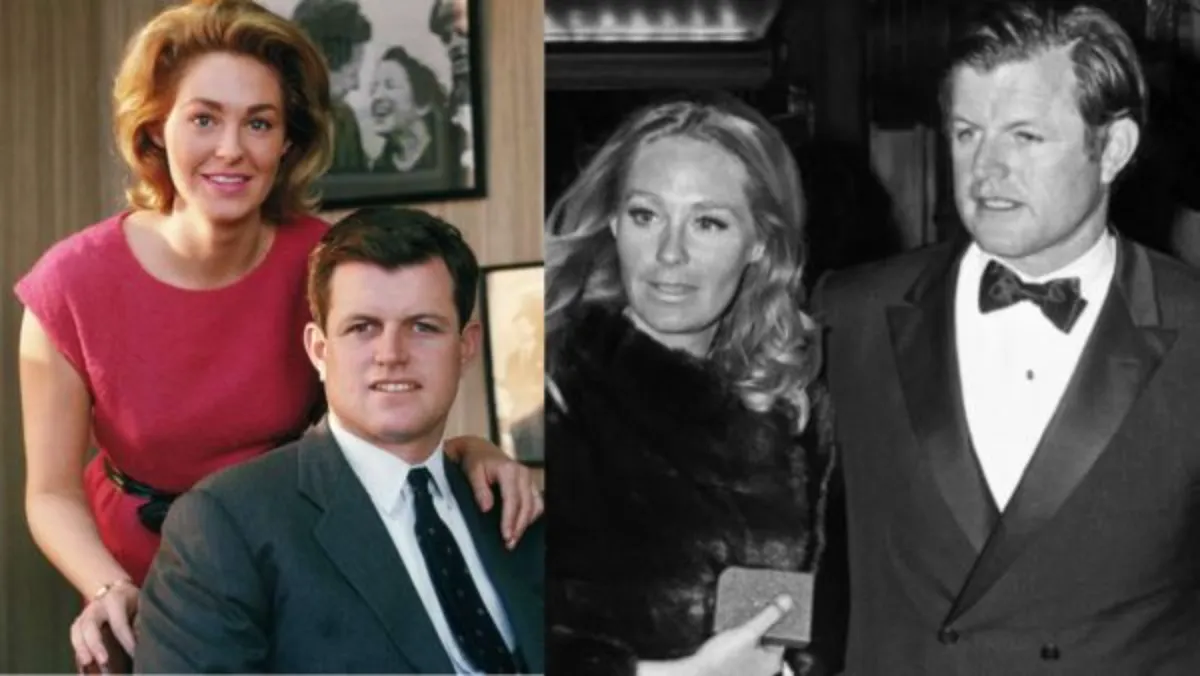
Joan Kennedy dies at 89.
Joan Kennedy—a poised public figure who married into America’s best-known political family—has died at 89. For many in the USA, the news evokes memories of a singular era: the Kennedy dynasty, the idea of Camelot, and a family that shaped public life, charity, and civic spirit for decades.
As tributes pour in, Americans remember Joan Kennedy not only for her presence during historic moments, but also for her dignity, love for the arts, and the complicated realities of life under a national spotlight.
This article looks at Joan Kennedy the person, her role in American cultural memory, and what her passing means for families thinking about dynastic wealth, estate planning, philanthropy, and legacy management. Our goal is to deliver a respectful remembrance—while offering practical, beginner-friendly insights that matter today.
Who Was Joan Kennedy?
Joan Kennedy (often referred to as Joan Bennett Kennedy) entered public life when she married into the Kennedy family, later serving as a visible and steady presence through campaign seasons, Senate life, and national headlines.
She was known for her grace, resilience, and a genuine love of music—especially classical piano—which anchored her identity beyond the cameras.
Key points:
- Cultural presence: As a figure at the heart of American politics, Joan Kennedy represented composure during turbulent times.
- Mother and mentor: She prioritized family, supporting her children’s growth despite unrelenting public attention.
- Artistic voice: A lifelong music enthusiast, she championed arts education and cultural initiatives, reminding the public that civic life includes the arts.
In remembering Joan Kennedy, it’s important to see both the public icon and the private person—someone who navigated triumphs and trials with determination.
Why Her Passing Resonates in the USA
The USA has few families as instantly recognizable as the Kennedys. The passing of Joan Kennedy closes another chapter in a story that spans public service, philanthropy, and national memory.
It also invites reflection on topics that many American families face—albeit outside the spotlight—like legacy, inheritance, charitable giving, and long-term health and caregiving plans.
The Kennedy Dynasty: Culture, Philanthropy, and Civic Duty
When people say “dynasty,” they often mean wealth and power. But the Kennedy dynasty has also meant service, scholarships, health initiatives, and issue-driven philanthropy. As we remember Joan Kennedy, consider how her generation helped set expectations that family influence should be channeled toward public good.
What stands out:
- Philanthropic DNA: Foundations, research sponsorships, and education programs have been pillars of the Kennedy story.
- Cultural capital: The family shaped not just policy conversations, but taste—elevating the arts, public broadcasting, and civic discourse.
- Community presence: From Massachusetts to national platforms, they translated visibility into community work and policy advocacy.
Lessons From a Dynasty: Practical Takeaways for Families
While few families have Kennedy-level visibility, most families care about their values, heirs, and charitable interests. The passing of Joan Kennedy is a timely moment to act on the following:
- Write (or update) an estate plan.
A will, revocable trust, and powers of attorney ensure your wishes are clear, flexible, and legally enforceable. - Create a family mission statement.
What should your family be known for? Joan Kennedy’s era shows how clarity of purpose fosters unity across generations. - Use trusts to balance privacy and control.
Dynastic trusts, special needs trusts, and charitable remainder trusts (CRTs) can manage taxes, protect minors, and fulfill philanthropic goals. - Establish a giving strategy.
A donor-advised fund (DAF) or private foundation can align generosity with strategy and measurement. - Plan for health, longevity, and caregiving.
Advance directives, HIPAA releases, and long-term care considerations protect dignity and reduce family stress. - Define governance.
A regular family council meeting, minutes, and documented rules build bonds and accountability. - Educate heirs early.
Financial literacy reduces conflict. Teach investing basics, taxes, and the responsibility that accompanies resources.
Quick Timeline of a Public Life (Illustrative)
| Era | Snapshot of the Moment | Why It Matters |
|---|---|---|
| Early Years | Growing talent and interest in classical piano | Highlights the personal artistry of Joan Kennedy |
| Marriage into Kennedy Family | Entry into Camelot era public life | Visibility, advocacy, and civic involvement |
| Senate/Political Years | Campaigns, community work, national conversations | The balancing act of family and public duty |
| Later Years | Focus on health, family, and the arts | Dignity, resilience, and the value of support systems |
This timeline is a respectful, high-level look at the arc of her life in the public eye.
The Finance Angle: Estate, Taxes, and Philanthropy
Families inspired by Joan Kennedy’s story often ask, “How do we protect our legacy while doing measurable good?” Consider these high-CPM, finance-focused topics:
- Multi-generational trusts: Manage distributions over decades while minimizing disputes and protecting assets from creditors and overspending.
- Charitable planning: Use DAFs, CRTs, or charitable lead trusts (CLTs) to integrate giving with tax efficiency.
- Wealth governance: Specify investment policy statements (IPS), define ethical screens, and document family voting rules for major decisions.
- Liquidity management: If family wealth involves illiquid holdings (real estate or private businesses), plan buy-sell agreements, key-person coverage, and liquidity buffers for taxes and emergencies.
- Privacy and probate: Revocable living trusts can help keep distributions private and speed administration compared to a will alone.
- Impact investing: Align part of the portfolio with causes the family cares about (education, health, arts) while pursuing returns.
Joan Kennedy’s era illustrates how public families navigate scrutiny; private families can still adopt structures that emphasize clarity, compassion, and continuity.
A Gentle Look at Health, Resilience, and Support
Public life is demanding. Joan Kennedy’s legacy includes an acknowledgment of human complexity—health hurdles, personal trials, and the need for reliable support networks. For families today:
- Normalize open conversations about wellness and mental health.
- Maintain supportive documentation (advance directives, care preferences).
- Set aside funds for long-term care and caregiver support, which can preserve independence and dignity.
- Make the arts and community part of your wellness plan; they create purpose and connection.
Why This Story Matters Now
- It’s a major life milestone involving a household name.
- It bridges culture and finance, showing how families can move values forward.
- It offers practical checklists any reader can use this week.
- It’s rooted in legacy planning—a perennial Google Discover favorite with strong reader engagement.
Estate-Planning “Chart”: A One-Page Checklist
Goal: Turn reflection into action. Below is a simple, beginner-friendly checklist (use it as your family’s “chart” for the next 30 days).
- Essentials
- Will and revocable trust updated
- Durable power of attorney (financial)
- Healthcare proxy & advance directive
- HIPAA authorization forms
- Beneficiaries & Titling
- Review beneficiaries on 401(k)/IRA and insurance
- Confirm POD/TOD designations and account titling
- Trusts & Protection
- Consider dynastic or spendthrift trusts
- Evaluate umbrella liability coverage
- Giving Strategy
- Open DAF or outline foundation purpose
- Define annual giving focus and metrics
- Governance
- Draft family mission statement
- Schedule quarterly family council
- Documentation Hub
- Secure encrypted vault for critical files
- Share access with trusted contacts
- Education
- Annual financial literacy session for heirs
- Philanthropy workshop with real grants to vote on
This quick-start “chart” helps families honor the spirit of Joan Kennedy by turning values into systems.
FAQ
Q1. Who was Joan Kennedy?
Joan Kennedy was a prominent American public figure who married into the Kennedy family and became widely recognized for her poise, arts advocacy, and role in one of the nation’s most influential dynasties.
Q2. How old was she?
Joan Kennedy died at 89.
Q3. Why does her story still matter?
Because Joan Kennedy symbolizes the intersection of family, public service, and culture—and because her generation’s approach to legacy, philanthropy, and resilience offers practical lessons for families today.
Q4. What can families learn from the Kennedy example?
To pair wealth with purpose: use trusts, define a mission, plan for health and caregiving, and measure charitable impact.
Q5. Did Joan Kennedy work in politics?
While Joan Kennedy was deeply present in political life, her recognizable contributions also included arts advocacy and family-focused support during major public moments.
Q6. How do I start a legacy plan this month?
Begin with a will, revocable trust, and health directives; set a giving strategy (like a DAF); and schedule a family council to review goals.
Q7. What finance topics does this highlight?
Estate planning, trusts, charitable vehicles, wealth governance, long-term care, and impact investing—all central to responsible dynastic planning.
In Appreciation: A Lasting Legacy
Joan Kennedy reminds us that public figures are also parents, artists, and neighbors. Her life—interwoven with history, music, and moments of profound change—encourages every American family to think about what endures. If this news moves you, consider honoring Joan Kennedy by:
- Supporting arts education in your community
- Reviewing your estate and caregiving plan
- Writing a simple family mission statement and living it
The best legacies are not just remembered; they are practiced.