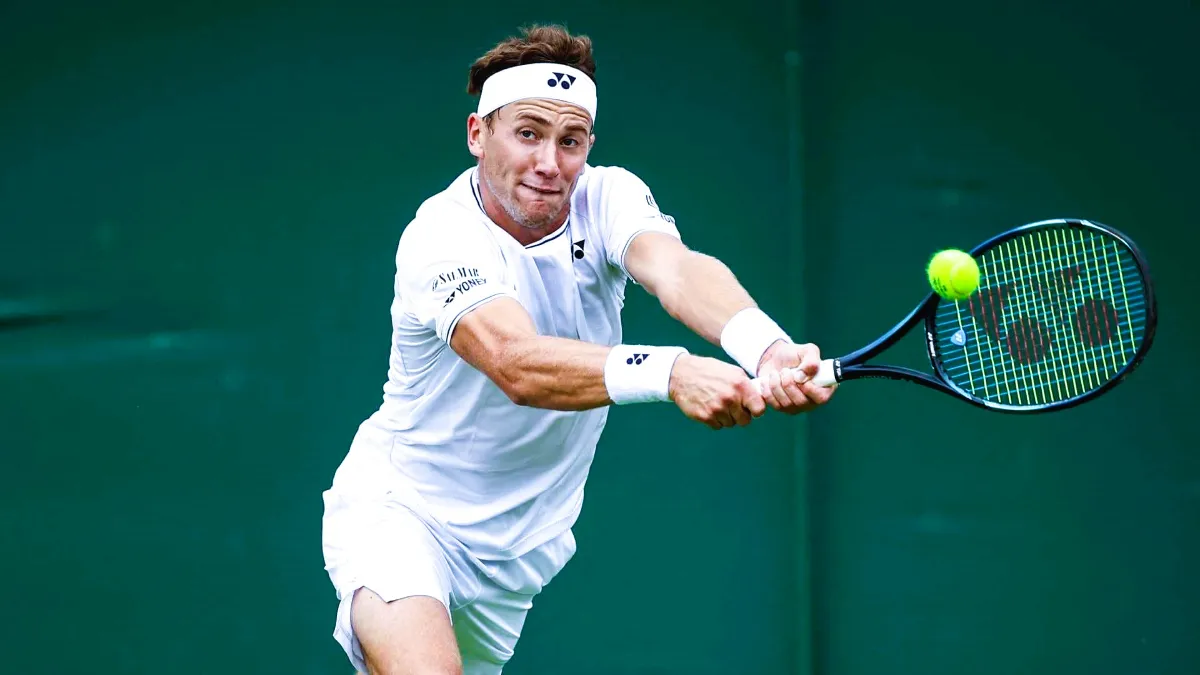
Casper Ruud Net Worth 2025: How Prize Money, Sponsorships, Taxes & Investments Add Up
If you’re curious about how elite athletes grow wealth, casper ruud is a clean case study. He’s a clay-court master with a patient, high-percentage game—and the same mindset translates well to money: compounding wins, steady risk control, and long-term planning.
This guide breaks down how casper ruud likely structures income streams, allocates investments, and manages costs so that each season moves the needle on lifetime wealth.
We’ll keep it simple and beginner-friendly, but still professional enough to help you make sense of athlete finance: prize money vs. endorsements, cash-flow vs. taxes, and how career momentum shapes brand value. By the end, you’ll see why casper ruud is a prime example of disciplined wealth building in modern tennis.
Quick Snapshot: The Money Engine Behind a Tennis Star
- Core income: tournament prize money and guaranteed appearance fees
- Upside: long-term sponsorships, equipment deals, performance bonuses
- Compounders: diversified investments (index funds/ETFs, real estate), disciplined savings
- Friction: taxes, tour travel costs, coaching/fitness staff, injury risk
- Moat: repeatable performance on clay, steady ATP ranking, growing global fanbase
This is the playbook casper ruud can use to convert on-court results into stable, compounding wealth off the court.
Where the Money Starts: Prize Money & Performance
Tennis is pay-for-performance. Deep runs at Masters and Slams drive the cash flow that fuels long-term wealth. For casper ruud, strong clay results and consistent week-in, week-out wins build a reliable base. Even when a player isn’t lifting a trophy, quarterfinals and semifinals add up.
Why this matters for finance readers: regular prize money is the foundation for saving, investing, and negotiating better sponsor terms. A banker might call it “recurring revenue.” For casper ruud, it means predictable cash-in that supports bigger compounding moves later.
Key levers for prize-money growth:
- Consistency across surfaces to smooth volatility
- Scheduling smartly (peak at clay swing; manage hard-court load)
- Fitness and injury prevention to protect earning capacity
- Strategic doubles entries (select weeks) for incremental gains
The Real Upside: Sponsorships, Endorsements & Image Rights
Sponsorships can eclipse prize money for a top pro with a clean brand and global reach. Think rackets, apparel, shoes, watches, airlines, banks, and nutrition partners. The appeal of casper ruud: elite performance, sportsmanship, Scandinavian credibility, and a loyal clay-court following. That package sells.
Typical structures you’ll see:
- Base retainer + performance bonuses (ranking or Slam targets)
- Activation days (photo shoots, clinics, corporate meet-ups)
- Licensed image rights (campaigns, digital content)
- Revenue share on limited editions or co-branded drops
For casper ruud, these deals translate into multi-year visibility, steadier cash flow, and upside tied to results—valuable when planning for taxes and investments.
Invisible Costs: Taxes, Staff, and the Travel Bill
Athlete finance is global—and tax rules are, too. Earnings can be taxed in countries where the income is generated (tournaments, endorsements shoots), plus in the player’s home jurisdiction. That means casper ruud must work with top advisors to avoid double-taxation, use credits and treaties correctly, and time income and expenses.
Common expense buckets:
- Coaches, hitting partners, physio, fitness coach
- International flights, hotels, training bases
- Insurance (health, disability, career, equipment)
- Legal & accounting for multi-country compliance
Tennis isn’t cheap to play at the highest level—but strong planning keeps the after-tax margin healthy. It’s another reason casper ruud benefits from consistency: predictable earnings make tax planning easier.
How Athletes Invest: From Index Funds to Real Assets
The smartest athlete portfolios keep it boring in the core and expressive at the edges:
- Core (60–80%): global index funds/ETFs, investment-grade bonds, high-quality money-market for seasonality
- Satellites (10–30%): real estate (primary + rental), diversified equity funds, selective dividend stocks
- Options (0–10%): small allocations to private equity or venture, often via trusted co-investors
For casper ruud, a measured, rules-based approach means compounding while focusing on tennis. He doesn’t need to swing for the fences—his forehand is already doing that on clay.
Risk Management: Protecting the Downside
No matter the ranking, risk never vanishes:
- Performance volatility (draws, injuries, form dips)
- Sponsor turnover (brand cycles, macro slumps)
- Currency moves (multi-currency income vs. expenses)
- Career length (peak windows can be short)
This is why casper ruud likely emphasizes insurance, emergency liquidity (6–12 months’ expenses), and staggered investments aligned with the tour calendar. Slow and steady survives the tour grind—and compounds.
Career Momentum & Brand Equity
Brand value grows when the story is consistent: finals runs, sportsmanship, and likability. Clay-court prowess, composed body language, and an analytical style make casper ruud approachable for mainstream brands—finance, tech, travel, luxury. The more predictable the on-court narrative, the more valuable the off-court deals.
Annual Cash-Flow Scenarios
| Income / Cost | Conservative (USD) | Base Case (USD) | Aggressive (USD) |
|---|---|---|---|
| Prize Money (net of on-court costs) | 1,200,000 | 2,000,000 | 3,000,000 |
| Sponsorships & Bonuses | 1,000,000 | 1,800,000 | 3,000,000 |
| Appearance Fees | 150,000 | 300,000 | 600,000 |
| Subtotal Income | 2,350,000 | 4,100,000 | 6,600,000 |
| Staff & Travel | -600,000 | -850,000 | -1,100,000 |
| Marketing, Legal, Insurance | -200,000 | -300,000 | -450,000 |
| Pre-Tax Profit | 1,550,000 | 2,950,000 | 5,050,000 |
| Estimated Global Taxes* | -465,000 | -885,000 | -1,515,000 |
| After-Tax Cash Flow | 1,085,000 | 2,065,000 | 3,535,000 |
| Invested (Core Portfolio) | 760,000 | 1,445,000 | 2,475,000 |
| Liquidity / Reserves | 325,000 | 620,000 | 1,060,000 |
Long-Term Wealth Flywheel
| Driver | Impact on Wealth | How It Helps Casper Ruud |
|---|---|---|
| Clay-Court Results | Higher prize money; ranking stability | Protects baseline income and sponsor confidence |
| Global Sponsorships | Recurring, diversified cash flow | Reduces reliance on any single season |
| Index-Fund Core | Compounding with low time cost | Automates growth while he focuses on tennis |
| Selective Real Estate | Inflation hedge; rental income | Balances portfolio against market swings |
| Tax Optimization | Higher after-tax margin | Converts performance into durable wealth |
Personal Brand = Pricing Power
Sponsors pay for trust and reach. The clean, hardworking image of casper ruud resonates with banks, brokerages, payment apps, travel brands, and health/fitness companies. The more his game signals reliability, the more he can command in guaranteed fees and bonuses.
Signals that raise brand value:
- Grand Slam finals and Masters titles
- Year-end ATP Finals qualifications
- Media-friendly interviews and community work
- Low-drama profile and consistent conduct
A Simple Investment Framework He Could Use
If we translate tour income into a practical portfolio for casper ruud, a clean blueprint might look like this:
- Automation first: monthly auto-invest into global stock/bond ETFs
- Defensive layer: 6–12 months cash reserves for injuries/off-season
- Real-asset ballast: one primary home + one rental in stable markets
- Tax-aware rebalancing: sell winners gradually; harvest losses as needed
- Small “edge” bucket: limited private deals in health/tech or sports-adjacent ventures—capped exposure, professional diligence
This keeps the majority of his wealth compounding—even while he’s out grinding on the clay.
Content Angle for Discover: Why This Story Travels
Finance stories outperform when they feel personal and practical. casper ruud is relatable: not flashy, but effective. His approach teaches casual readers how consistent habits—budgeting, index funds, tax planning—beat “hot tips.” That’s the kind of message Google Discover likes: useful, evergreen, and tied to a newsworthy figure.
Tips that help Discover distribution:
- Specific, scannable subheads
- Clear tables and bullets
- Beginner-friendly definitions of finance terms
- Year in the title (“2025”) for freshness
- Semantic variety: net worth, earnings, sponsorships, investments, taxes, real estate
FAQs: Casper Ruud Money, Explained
Q1) What is the main source of income for casper ruud?
Prize money is the base. Over time, sponsorships and endorsements can match or exceed it, especially with steady results.
Q2) How do taxes affect casper ruud?
Tennis income is global. Portions can be taxed where the money is earned and in the player’s home jurisdiction, with treaty rules and credits helping avoid double taxation.
Q3) Does casper ruud need a big team budget?
Yes. Elite players fund coaches, physios, fitness trainers, hitting partners, and significant travel. Smart budgeting keeps margins healthy.
Q4) What investments fit an athlete like casper ruud?
A diversified index-fund core, plus select real estate and a small allocation to vetted private deals. Liquidity for off-season and injury coverage is key.
Q5) Are endorsements guaranteed for casper ruud?
Most contracts include a base retainer and performance bonuses. Strong results and a clean brand help maintain or grow those deals.
Q6) How does brand value grow for casper ruud?
Consistent ATP results, Grand Slam relevance, and a trustworthy public image. Brands pay for predictability and reach.
Q7) Can prize money alone build long-term wealth for casper ruud?
Yes—if paired with disciplined saving, tax planning, and compounding in diversified portfolios.
Q8) What risks could slow wealth growth for casper ruud?
Injuries, performance dips, sponsor churn, and currency swings. Diversification and insurance help manage these.
Conclusion: The Quiet Power of Consistency
The wealth story of casper ruud isn’t built on hype—it’s built on repeatable edges. Clay-court excellence creates dependable prize money. A calm, credible brand unlocks long-term sponsors. Disciplined investing converts seasonal earnings into durable wealth.
That trifecta—earn consistently, tax smart, compound quietly—is what turns a great tennis career into a strong balance sheet.
If you’re mapping your own money plan, borrow the same playbook: keep cash flow steady, automate investments, manage risk, and let time do the heavy lifting. It’s not flashy. It just works—on clay and in finance.