Key Highlights
- Xenophobia in South Africa has become a recurrent social crisis, targeting African migrants.
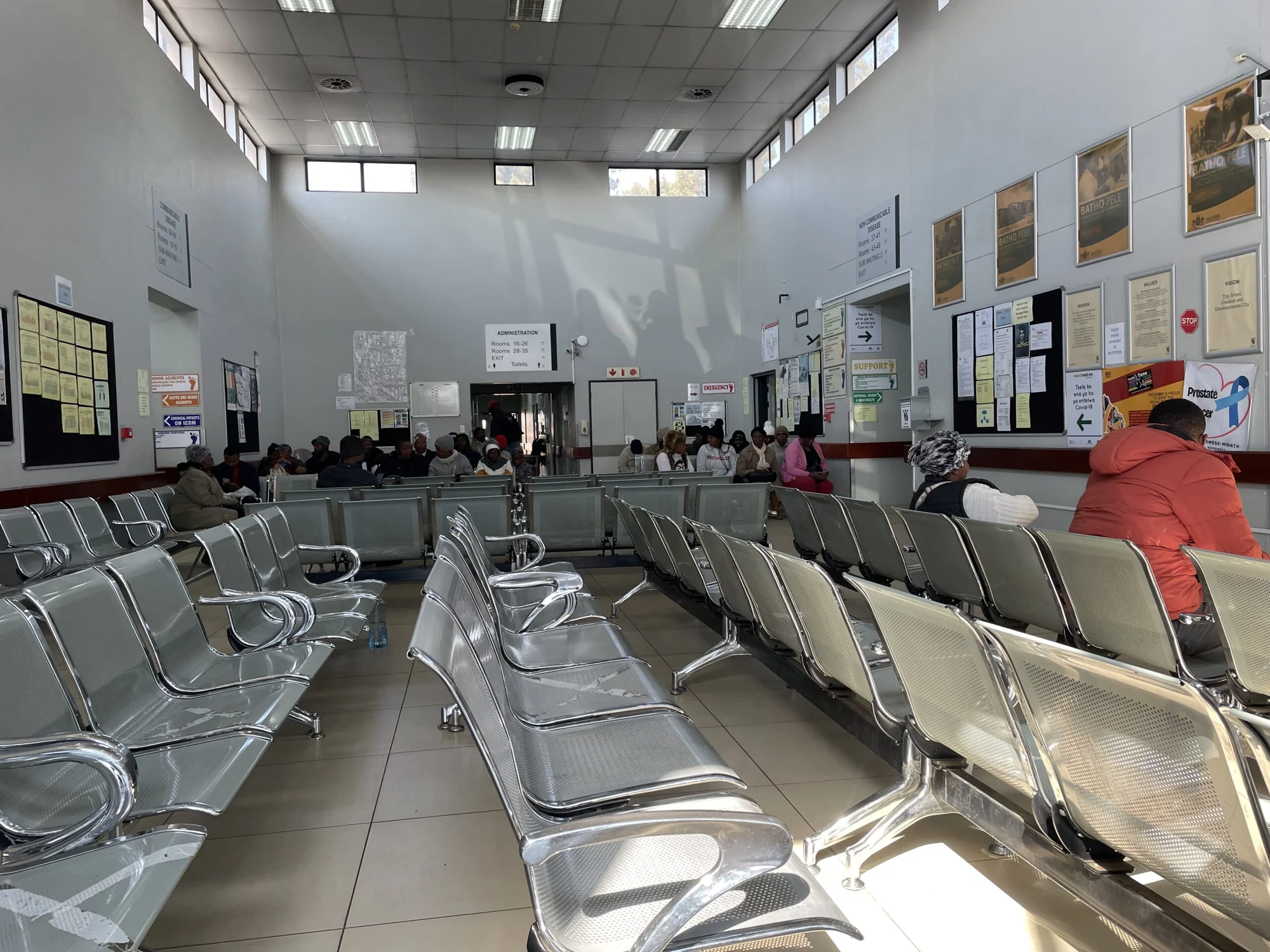
- Hospitals have become flashpoints of xenophobic tension, with groups like Operation Dudula preventing access to healthcare for foreigners.
- Civic education is inadequate, leading to widespread ignorance about the rights and responsibilities of migrants.
- Political leaders often use migrants as scapegoats for governance failures, fueling hostility among citizens.
Xenophobia in South African Public Spaces: A Call for Civic Education
In recent years, xenophobia has become a recurrent social crisis in South Africa, particularly targeting African migrants. These individuals are often pejoratively labeled as amakwerekwere or “foreigners” by locals. The hostility towards them is most visible in sectors such as housing, jobs, and public health services.
Hospitals as Battlegrounds of Belonging
The issue has reached a critical point in public hospitals, where groups like Operation Dudula have taken it upon themselves to mount surveillance, preventing African migrants from using South African clinics. These actions reflect a troubling gap in civic education, with many South Africans lacking awareness that residency status or naturalisation confers equal access to social amenities, including healthcare.
The hostility migrants face is not rooted in legal exclusion but in widespread ignorance of their civic rights and responsibilities. In South Africa’s Constitution, the right to healthcare for all, regardless of nationality or legal status, is explicitly stated. However, permanent residents and naturalised citizens are legally indistinguishable from native-born South Africans in terms of access to public amenities.
The Political Scapegoating of Migrants
Politicians across Africa often use migrants as scapegoats for their own governance failures. In South Africa, leaders from both the ruling and opposition parties have suggested that foreigners overwhelm healthcare and education systems. Such rhetoric resonates with frustrated citizens facing unemployment, poor infrastructure, and underfunded hospitals but distracts from the structural mismanagement and corruption that are the real culprits.
This political misdirection is not unique to South Africa.
In Côte d’Ivoire during the 1990s, the doctrine of ivoirité was weaponised to exclude northern Ivorians and immigrants from Burkina Faso and Mali from political and social rights. Similarly, violent outbursts have occurred in Nigeria against West African migrants, particularly in urban areas where competition over scarce resources fuels suspicion.
The Deeper Problem: Civic Ignorance
At the heart of this issue is a lack of civic education. In many African countries, civic education is either poorly developed or narrowly focused on patriotism, failing to instil a broader understanding of human rights and regional protocols such as those on free movement and access to services.
This educational gap allows myths to thrive, such as the belief that migrants are “illegal” by default and do not pay taxes. In reality, many African migrants contribute significantly to host economies through labour, entrepreneurship, and taxes. Without basic civic literacy, these contributions remain invisible, and hostility festers.
Civic Education as an Antidote
The persistence of xenophobic actions across Africa highlights the urgent need for a transformative approach to civic education. This approach must begin in schools, where children should be taught about citizenship, residency, naturalisation, and regional protocols on free movement.
At the same time, civic education should promote a pan-African identity by reminding citizens of the continent’s history of unity, solidarity, and shared struggles against colonialism. Equally important is the debunking of myths about migration through evidence-based teaching that demonstrates the economic, social, and cultural contributions of migrants.
Education must also foster tolerance by cultivating empathy, inclusivity, and respect for diversity while empowering citizens to hold politicians accountable instead of scapegoating foreigners.
Crucially, this framework should not be confined to classrooms; public campaigns, media initiatives, and community dialogues can extend civic literacy to adults, particularly in marginalised communities where xenophobia thrives.
The African citizenship that the AU seeks to achieve will continue to be a myth if these salient issues are not addressed. Addressing the root cause of xenophobia requires a concerted effort from all sectors of society, starting with robust and inclusive civic education programs.