Key Highlights
- Sanae Takaichi becomes Japan’s first woman prime minister.
- The ruling Liberal Democratic Party (LDP) allied with the Japan Innovation Party to secure a majority in parliament.
- Takaichi supports JIP policies including free high school education and reducing parliamentary seats.
- Japan’s stock market reacted positively, boosting the Nikkei 225 index.
Historic Victory for Japan’s First Female Prime Minister
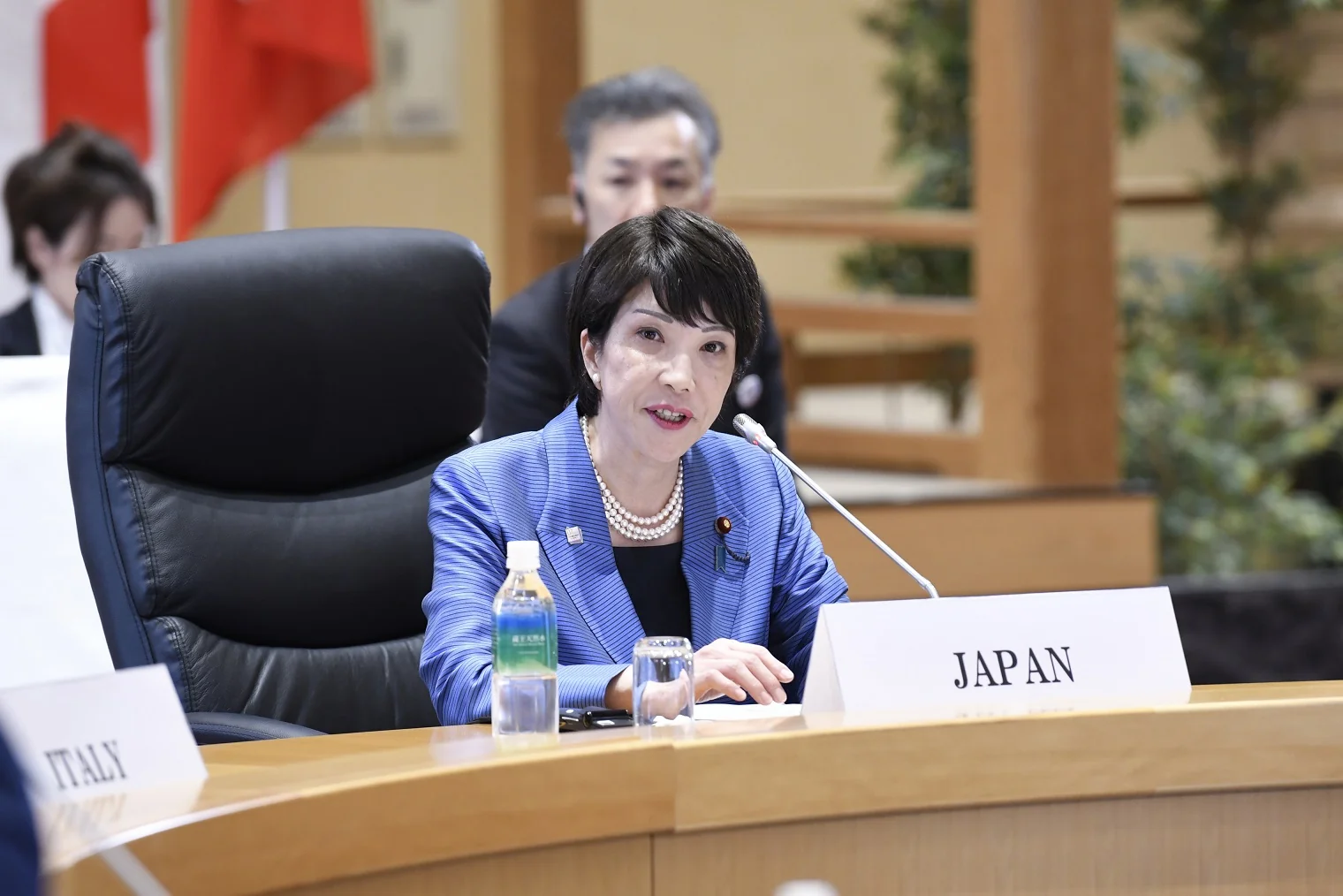
Sanae Takaichi has achieved a historic milestone by becoming Japan’s first woman to hold the position of prime minister. Her victory in the parliamentary vote comes after securing 237 votes in the Lower House, marking a significant step forward for gender equality and representation in Japanese politics.
Formation of a New Government
The path to Takaichi’s leadership was not straightforward. The ruling Liberal Democratic Party (LDP) joined forces with the Japan Innovation Party (JIP), an alliance that secured the necessary majority. This coalition government is seen as crucial in maintaining stability and addressing various domestic issues, including economic policies and foreign relations.
Policy Agreements and Market Reaction
Takaichi has agreed to back several JIP policies aimed at reducing parliamentary seats, implementing free high school education, and suspending the food consumption tax for two years. These measures are expected to be key points in her administration’s agenda. The stock market welcomed Takaichi’s ascension, with the Nikkei 225 index reaching a new high on the day of her victory.
Financial markets also saw a dip in government bond yields and a weakening of the yen, indicative of investors’ expectations for potential changes in monetary policy. “The ‘Takaichi trade’ is pricing in looser monetary policies and larger fiscal stimulus,” noted Kei Okamura, managing director and portfolio manager at Neuberger Berman.
Background and Challenges
Takaichi’s journey to becoming prime minister has been marked by significant challenges. In the 2024 LDP presidential race, she lost to Shigeru Ishiba but secured leadership of the party in September this year after defeating Agriculture Minister Shinjiro Koizumi. The Komeito party’s sudden exit from its alliance with the LDP put Takaichi’s fate in limbo before her eventual victory.
As a hardline conservative, Takaichi has been associated with “Abenomics,” the economic strategy introduced by former Prime Minister Shinzo Abe that emphasized loose monetary policy and fiscal spending.
She has previously criticized the Bank of Japan’s plan to raise interest rates during the 2024 LDP leadership race.
On the geopolitical front, Takaichi advocates for a strong stance against China and supports revising Japan’s pacifist constitution. Her visits to the Yasukuni Shrine have drawn criticism from neighboring countries, highlighting the delicate balance she will need to maintain in her foreign policy approach.
Future Implications
Takaichi’s ascent marks a significant shift in Japanese politics. Her experience and policies are expected to influence both domestic governance and international relations. “Her views on China and Korea have been very well flagged,” said Okamura, adding that Takaichi understands the importance of maintaining good relations with all countries, particularly the United States.
As Japan’s first female prime minister, Takaichi faces numerous challenges but also presents an opportunity for positive change. Her leadership will be closely watched as she navigates through economic reforms and international diplomacy in the coming months.