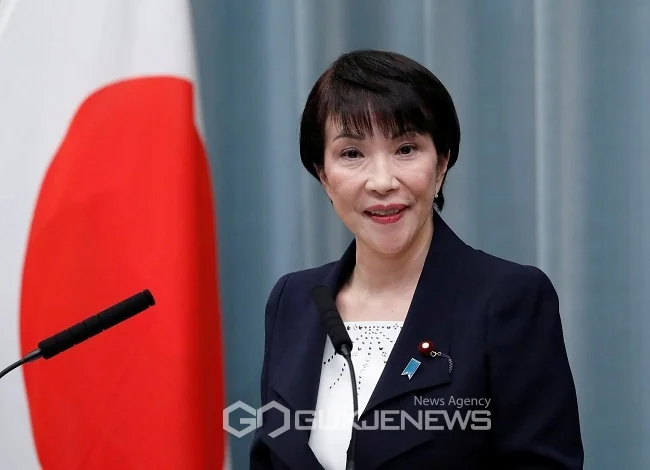
Key Highlights
- Sanae Takaichi is Japan’s first female prime minister.
- She has a conservative background and supports traditional gender roles.
- Takaichi is known for her hardline views on immigration and WWII history.
- Her ascent to power marks a significant milestone in Japanese politics.
The Rise of Sanae Takaichi: Japan’s First Female Prime Minister
Sanae Takaichi, 64, was elected as Japan’s first female prime minister on October 17, 2025. Her appointment comes at a time when the country is grappling with issues such as immigration and historical revisionism, making her tenure particularly noteworthy.
A Conservative Legacy
Takaichi has spent decades in politics since 1993, working under Prime Minister Shinzo Abe’s administration for many years. Jeffrey Hall, a lecturer at Kanda University of International Studies, describes Takaichi as “one of the most conservative people in Japan’s conservative LDP.” She holds traditional views on gender roles and has drawn comparisons to Margaret Thatcher for her strong stance.
Her political career includes serving as minister of international communications under Abe from 2014 to 2020, a role she held longer than any other politician during his tenure. Takaichi’s support for Abe’s conservative legacy is evident in her advocacy for tougher immigration restrictions and hawkish policies on China.
Controversial Views
Takaichi has faced criticism over her views on modern monetary theory, which she opposes, as well as her hardline stance on Japan’s WWII history. She has downplayed Japan’s aggression during the war and criticized post-war trials that convicted Japanese leaders of war crimes. These views have made her a polarizing figure in domestic politics.
Her advocacy for an anti-espionage law and restrictions on non-Japanese property ownership reflect broader concerns about immigration and tourism. Takaichi’s policies are seen as controversial, but Hall notes they align with the interests of Japanese businesses that rely on international trade and investment.
Challenges in Gender Equality
While Takaichi is a landmark figure for women in politics, her ascent to power does not necessarily translate into prioritizing gender equality issues. She has long advocated for traditional gender roles and opposes same-sex marriage. However, Hall suggests that the appointment of Takaichi may benefit younger women by showing them that they too can reach the highest levels of government.
Takaichi’s campaign promises to increase the number of women in her cabinet to “Nordic levels” were met with skepticism when she appointed only two female members after taking office. This reflects a broader challenge faced by women in Japanese politics, where traditional hierarchies persist despite advancements.
Implications and Future Outlook
Takaichi’s rise to power signifies a significant shift in Japanese politics but also raises questions about the future of gender equality and social policies under her leadership. As she navigates her role as prime minister, Takaichi will face both domestic and international scrutiny over her policies.
Her friendly relations with U.S. President Donald Trump suggest that she may continue to prioritize strong alliances in foreign policy.
However, the challenges of balancing traditional values with modern global expectations will be a key test for Takaichi’s leadership.
The appointment of Sanae Takaichi as Japan’s first female prime minister marks a historic moment but also highlights the ongoing struggle for equality and progressive change in Japanese society. As she takes on her new role, the world watches to see how Takaichi will shape the future direction of one of Asia’s most influential nations.