Key Highlights
- Guillermo del Toro reimagines Mary Shelley’s “Frankenstein” for a new film.
- The film stars Oscar Isaac as Victor and Jacob Elordi as the Creature.
- An immersive exhibit, “Frankenstein: Crafting a Tale Eternal,” is open in London until November 9.
- Del Toro’s version humanizes both the creator and the Creature, focusing on themes of forgiveness and generational trauma.
The Visionary Mind Behind “Frankenstein”
Renowned filmmaker Guillermo del Toro has always been drawn to the mythos surrounding Mary Shelley’s classic tale. In his latest adaptation, he weaves a narrative that challenges traditional perspectives and seeks to humanize both Victor Frankenstein and his Creature.
A Childhood Epiphany
Del Toro’s journey with “Frankenstein” began in his youth, when the 1931 film by James Whale first captivated him. Growing up in Mexico, he found profound meaning in the story through his early church experiences and Catholic faith. This childhood epiphany planted a seed that would bloom years later.
The Reimagined Narrative
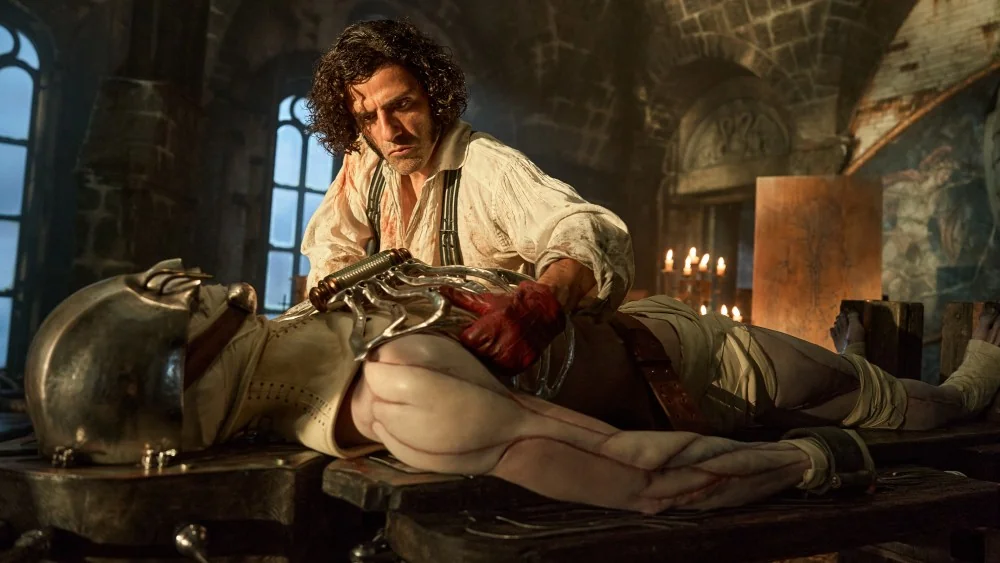
In del Toro’s version, Victor Frankenstein (Oscar Isaac) is a complex character driven by a desire to conquer death. The film explores the cyclical nature of pain and trauma, with Victor suffering under his father’s strict guidance before inflicting similar abuse on the Creature he creates.
Immersive Exhibition
As part of the film’s launch, an immersive exhibit titled “Frankenstein: Crafting a Tale Eternal” is currently open in London. This exhibit showcases rare editions of Mary Shelley’s book and highlights the meticulous work of costume designers, production artists, and prosthetic specialists.
The Message of Forgiveness
Central to del Toro’s adaptation is the theme of forgiveness. The Creature ultimately forgives his creator, Victor Frankenstein (Jacob Elordi), acknowledging that it is the human who has vilified their own creation. This narrative shift challenges viewers to reconsider what constitutes a true monster and explore the enduring relevance of Shelley’s original work.
According to del Toro, “The movie hopes to provoke emotion from a text that is 200 years old because it’s telling us we should know better.” By reimagining “Frankenstein” through the lens of contemporary themes such as forgiveness and acceptance, del Toro aims to offer fresh insights into timeless human dilemmas.
The film’s message serves as a poignant reminder of the importance of empathy and understanding in our increasingly divided world. Del Toro believes that this is one lesson we hear too rarely, emphasizing its significance for modern audiences.