Key Highlights
- Senate Republican support for eliminating the filibuster is increasing after President Trump’s pressure campaign.
- Senators Jim Banks and Tommy Tuberville have shifted their stance to support ending the filibuster.
- Senators Josh Hawley and Roger Marshall are concerned about a potential humanitarian crisis due to government shutdowns.
- Senior Republicans like John Cornyn and John Thune remain opposed but are considering options.
The Filibuster Debate Intensifies: A Trump-Driven Push for Senate Reform
Amidst a government shutdown, President Donald Trump is intensifying his push to eliminate the filibuster in the U.S. Senate, rallying support among Republican senators who previously held firm against such reforms.
President Trump’s Strategic Meeting
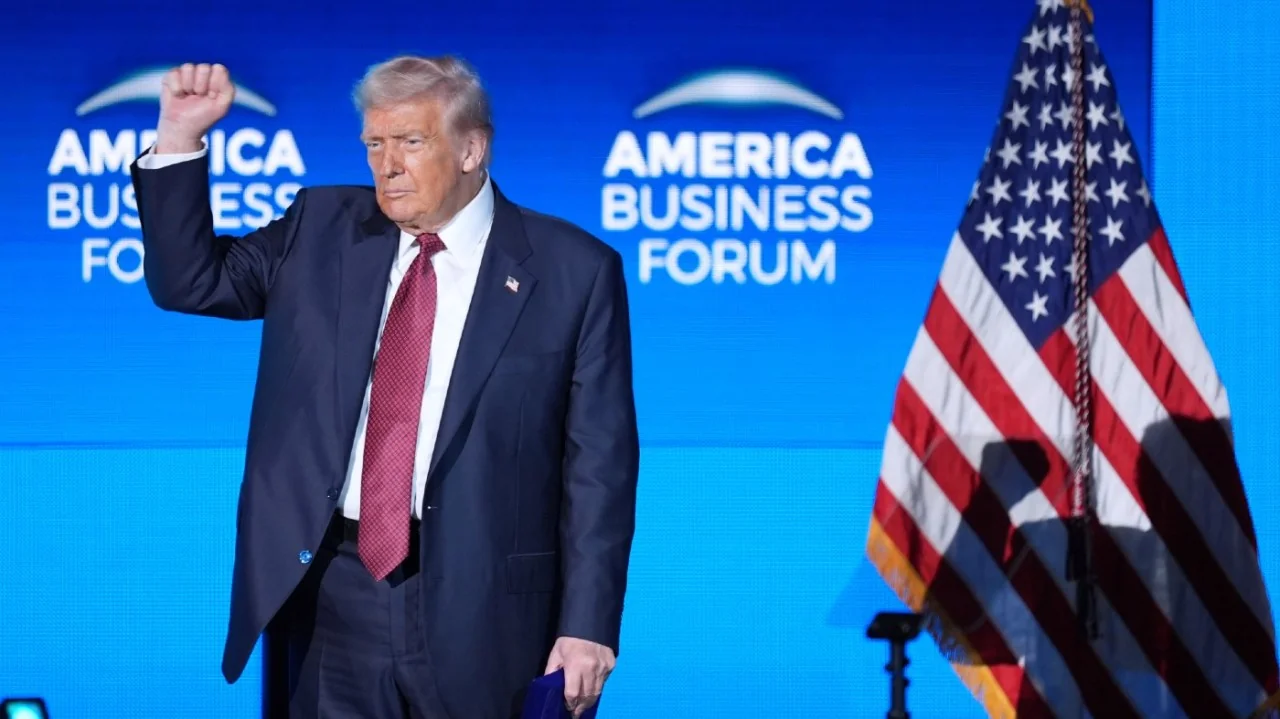
On November 6, 2025, President Trump hosted a breakfast meeting with Senate Republicans at the White House to discuss eliminating the filibuster. The meeting was entirely focused on this issue, as Senator Roger Marshall noted: “This is not something I want to do but the Democrats are almost pushing us to do it.”
Shifts in Republican Stance
Several senators have shifted their positions after the White House meeting. Senator Jim Banks stated, “I do agree with him. The filibuster is standing in the way of balanced budgets and cutting spending.” Similarly, Senator Tommy Tuberville changed his stance, declaring, “At the end of the day, if we’re going to get anything done the next three years, we got to have some kind of path forward.”
Concerns Over Government Shutdown
The government shutdown has pushed senators like Josh Hawley and Roger Marshall to reconsider their positions. Senator Hawley emphasized the urgency: “This is real suffering and it needs to end, it needs to end as quickly as possible.” His sentiment was echoed by Senator Tuberville who stated, “The president must have said that 20 times today.”
Opposition and Consideration
While sentiment is shifting, not all senators are on board. Senator John Cornyn, a long-time opponent of eliminating the filibuster, acknowledged: “I think we ought to consider all options.” However, he emphasized that there were currently insufficient votes for such a change.
The Nuclear Option and Its Controversy
Eliminating the filibuster is known as the “nuclear option” due to its controversial nature. Changing Senate rules with a simple majority vote would be highly contentious but could expedite legislation and legislative processes, especially in divided government scenarios.
Republican Divisions
The debate within the Republican party highlights divisions over governance strategy. While some senators see it as a means to advance their agenda, others like Rand Paul argue for maintaining the filibuster’s role in limiting excessive legislation: “On balance, more legislation over the history of a country restricts your liberty than enhances your liberty.”
Future Implications
The push for eliminating the filibuster underscores ongoing tensions between executive and legislative branches. As the mid-term elections approach, these dynamics will continue to shape political discourse and policy-making processes.
In conclusion, President Trump’s strategic maneuvering is reshaping Republican positions on Senate rules reform. The debate over the nuclear option reflects broader concerns about governance efficiency and the balance of power in American politics.