Key Highlights
- Senator John Fetterman supports using the “nuclear option” to end the government shutdown.
- The federal Supplemental Nutrition Assistance Program (SNAP) is at risk of running out of funds.
- Fetterman believes that reopening the government is more important than maintaining the filibuster.
- Democrats have historically supported carving out exceptions to the filibuster, including for voting rights legislation.
The Shutdown Crisis and Its Impact on SNAP
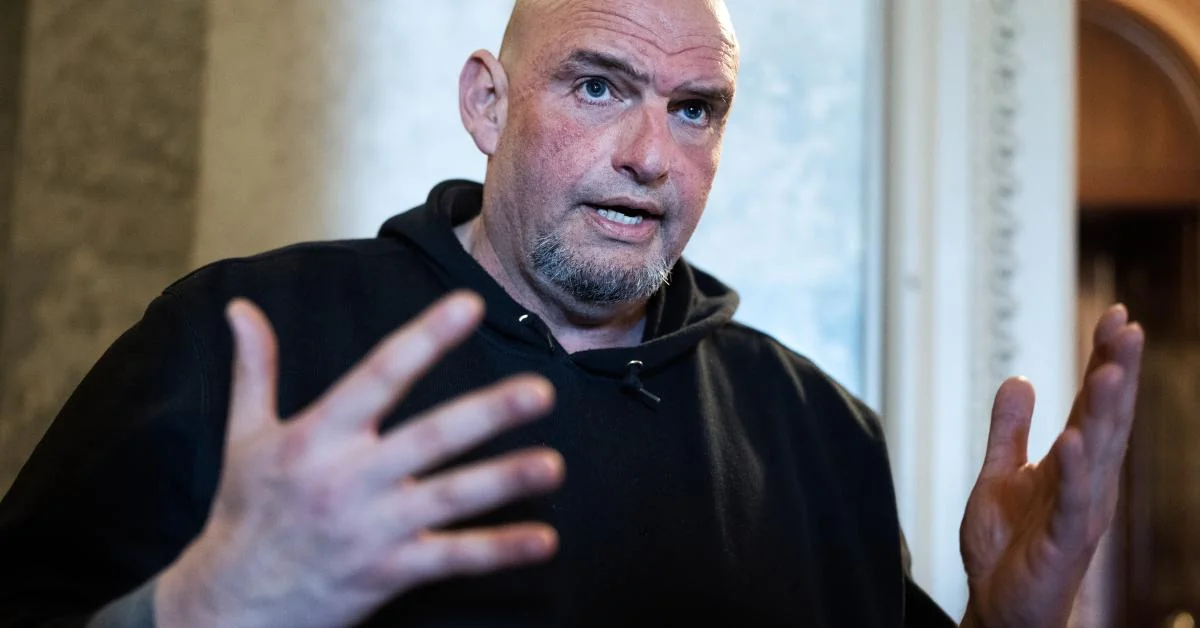
Senator John Fetterman of Pennsylvania has thrown his support behind a controversial move that could end the ongoing government shutdown. According to an interview with reporters, Fetterman stated he would back Republicans’ “nuclear option” to override the Senate filibuster in order to pass legislation funding the federal government. This decision comes as critical programs like the Supplemental Nutrition Assistance Program (SNAP) are at risk of running out of funds.
The government shutdown has dragged on for 21 days, with no clear resolution in sight. Fetterman emphasized that the situation is urgent, particularly given the potential impact on SNAP recipients and federal employees who have not been paid during this period. “People are going to start to get really hungry,” he warned, highlighting the immediate humanitarian concerns.
The Filibuster and Its Controversy
Fetterman’s support for bypassing the filibuster for this particular bill reflects a broader debate within the Democratic Party about the use of majority rule versus maintaining the traditions of the Senate. The filibuster, which requires 60 votes to overcome, has been a contentious issue in recent years.
During previous attempts to reform the filibuster, such as when Democrats attempted to pass voting rights legislation in January 2022, Fetterman’s party had supported creating exceptions for critical issues. However, those efforts ultimately failed due to opposition from centrist senators like Joe Manchin and Kyrsten Sinema, who later left the Democratic Party.
Implications for Future Government Operations
Fetterman argues that temporarily waiving the filibuster on this occasion is justified because it aligns with their campaign promises. “We ran on killing the filibuster,” he stated, adding that doing so would make future government shutdowns less likely.
However, Fetterman’s stance could face significant pushback from other Democrats who see the filibuster as a crucial safeguard against extreme majoritarianism. This internal conflict highlights the delicate balance within the Democratic coalition and the potential for further divisions over issues like voting rights and budgetary procedures.
The situation in the Senate underscores the ongoing political tensions surrounding the use of the filibuster, a key tool in U.S. legislative history. As Fetterman’s comments suggest, this debate is far from over, with implications extending well beyond the current shutdown negotiations.