Key Highlights
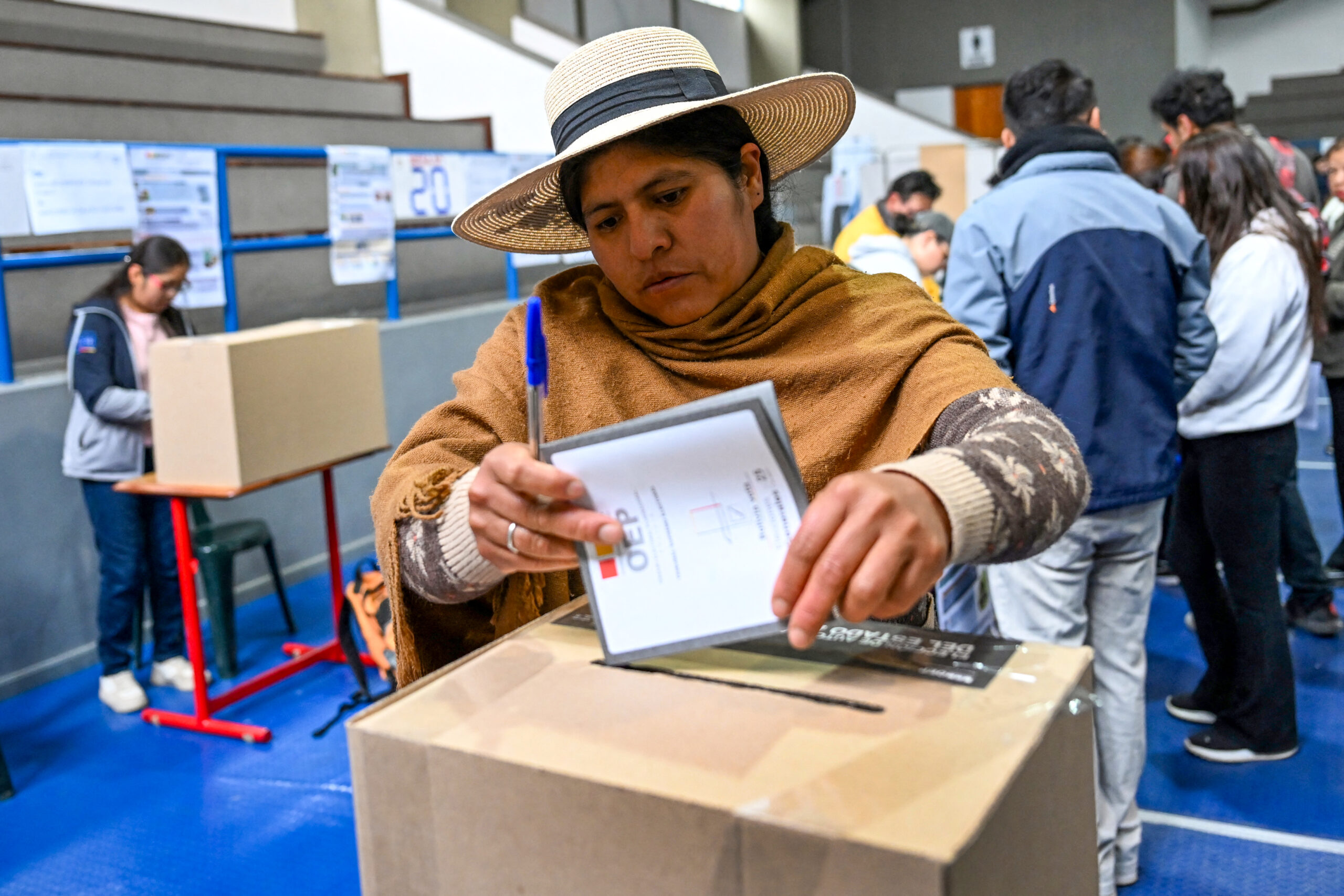
- Bolivia holds a presidential election run-off to end nearly 20 years of socialist rule.
- Voters face significant economic challenges including fuel shortages and inflation.
- The vote will determine the future direction of Bolivian politics towards market-friendly policies or continued reform.
- Both candidates have proposed different versions of economic reforms, with some support from the United States for improved relations.
End of Socialist Rule in Bolivia
Bolivia is marking a historic moment as it holds its first presidential run-off election since 2019. The vote comes after nearly two decades under socialist governance, with the last four years under President Luis Arce from the Movement Towards Socialism (MAS) party. This shift is significant given Bolivia’s economic struggles, including fuel shortages and inflation rates that have surpassed 20 percent.
New Political Landscape
The election pits conservative former interim President Jorge “Tuto” Quiroga against centrist senator and economist Rodrigo Paz. Both candidates are seen as advocating for market-friendly policies to address Bolivia’s economic challenges, which have been exacerbated by years of underinvestment in the oil and gas sector.
Economic Crisis and Voter Concerns
The Bolivian electorate is facing severe economic hardships. According to Alessandro Rampietti from Al Jazeera, the situation is dire with a 60 percent fall in the oil sector and a 46 percent decrease in natural gas output. Inflation has reached alarming levels, making everyday goods unaffordable for many.
As polling stations closed on Sunday, citizens like Felicidad Flores, a 67-year-old street vendor in La Paz, expressed their apprehension: “The situation is terrible.
We don’t know what’s going to happen. Everything is very expensive.” Driver Javier Quispe added, highlighting the broader economic pain: “Bolivians are worse off than before. There isn’t much hope that things will change.”
Political Shift and US Relations
The election results could signal a new era in Bolivian politics, with potential for better relations with the United States after years of tension under socialist governments. Both Quiroga and Paz have sought support from the U.S., promising to improve bilateral ties.
However, the incoming president will face significant challenges, including addressing fuel shortages and reducing inflation. Daniela Osorio from the German Institute for Global and Area Studies warned that social unrest could occur if measures are not taken to assist the most vulnerable populations post-election.
Future Directions
The winner of this run-off election will take office on November 8th, marking a turning point in Bolivian politics. While Quiroga advocates for radical change with an opening to international investment and foreign loans, Paz proposes a slower path towards capitalism, maintaining social programs.
Regardless of the outcome, political analysts like Glaeldys Gonzalez Calanche believe that Bolivia is heading towards a new direction post-socialism. Yet, given Morales’ continued influence despite legal challenges, the transition may be fraught with potential destabilization factors.
The election results will not only shape Bolivian domestic policies but also its international relations and economic strategies in response to ongoing crises.