Key Highlights
- Bolivia elects Rodrigo Paz as president in a run-off election against Jorge “Tuto” Quiroga.
- Paz promises a “capitalism for all” approach, marking an end to 19 years of socialist governance by MAS party.
- The victory comes after the incumbent MAS suffered a major defeat due to internal divisions and economic crisis.
- Key issues include tax cuts, tariff reductions, fuel supply stability, and anti-corruption measures.
Bolivia’s Political Transition: Paz Ends Socialist Era
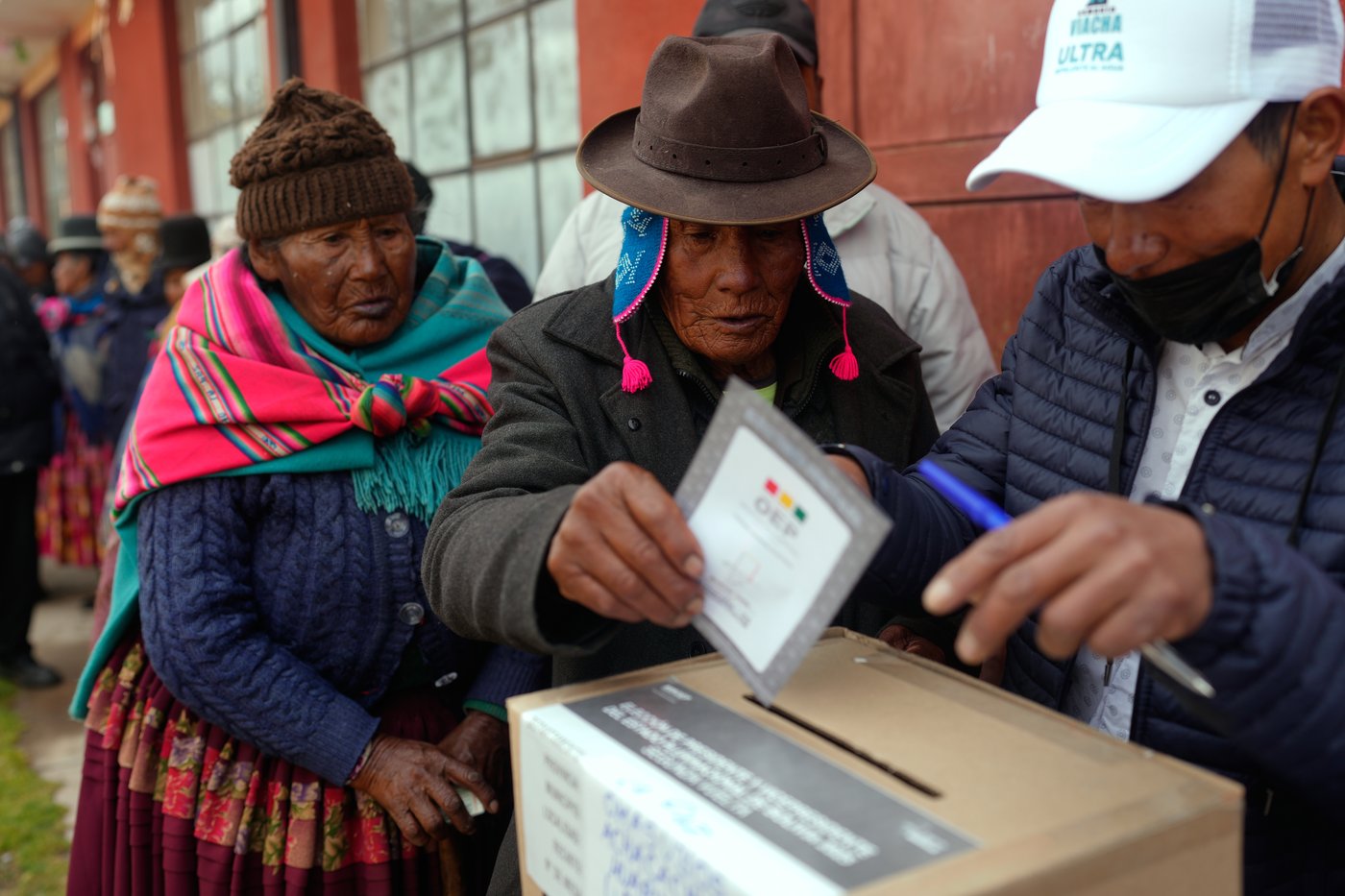
Bolivia has elected Rodrigo Paz of the centre-right Christian Democratic Party (PDC) as its new president, marking an abrupt shift from 19 years of governance under the Movement for Socialism (MAS) party. The election results were announced on Sunday with Paz securing a majority in the run-off vote against right-wing former interim President Jorge “Tuto” Quiroga.
Background and Context
The outcome of this presidential race is significant, as it signals a political realignment in Bolivia after the ousting of Evo Morales from power in 2019. Paz’s victory was made possible by the division within the MAS party, which had to contend with internal disputes and an economic crisis that led to widespread protests over high prices and fuel shortages.
Paz’s Promise and Challenges
Rodrigo Paz, a 58-year-old economist and former city councillor, follows in his father’s footsteps as he enters the presidency. He has pledged a “capitalism for all” approach, which includes tax cuts, tariff reductions, and decentralisation of government functions. These measures aim to address economic woes and social inequalities that have persisted under MAS rule.
Following Paz’s election, his vice-presidential candidate Edmand Lara called for unity and reconciliation.
He highlighted the immediate need to ensure fuel supplies, stabilise basic food prices, and combat corruption. However, these promises face significant challenges, especially as Morales remains influential among Indigenous Bolivians despite not seeking re-election.
Economic Crisis and Future Prospects
Bolivia’s economy has been grappling with severe issues such as inflation rates of nearly 25% annually and critical shortages of US dollars and fuel. These problems were exacerbated by the decline in energy revenues, which fell from $6.1 billion in 2013 to $1.6 billion in 2024 due to Morales’s decision not to expand the country’s gas sector.
While Paz has indicated a willingness to continue fuel subsidies but restrict them to vulnerable sectors of the population, his exact plans are still unclear. This uncertainty could impact public confidence and economic stability moving forward.
The new administration will also need to navigate complex relationships with regional neighbours and international partners as it seeks to steer Bolivia towards a more market-oriented economy.
The transition to Paz’s presidency represents both an opportunity and a challenge for Bolivia, as the country seeks to recover from its recent political and economic turmoil while balancing social expectations and global economic realities. As Paz assumes office on November 8th, his ability to deliver on his promises will be closely watched by Bolivians and international observers alike.