Key Highlights
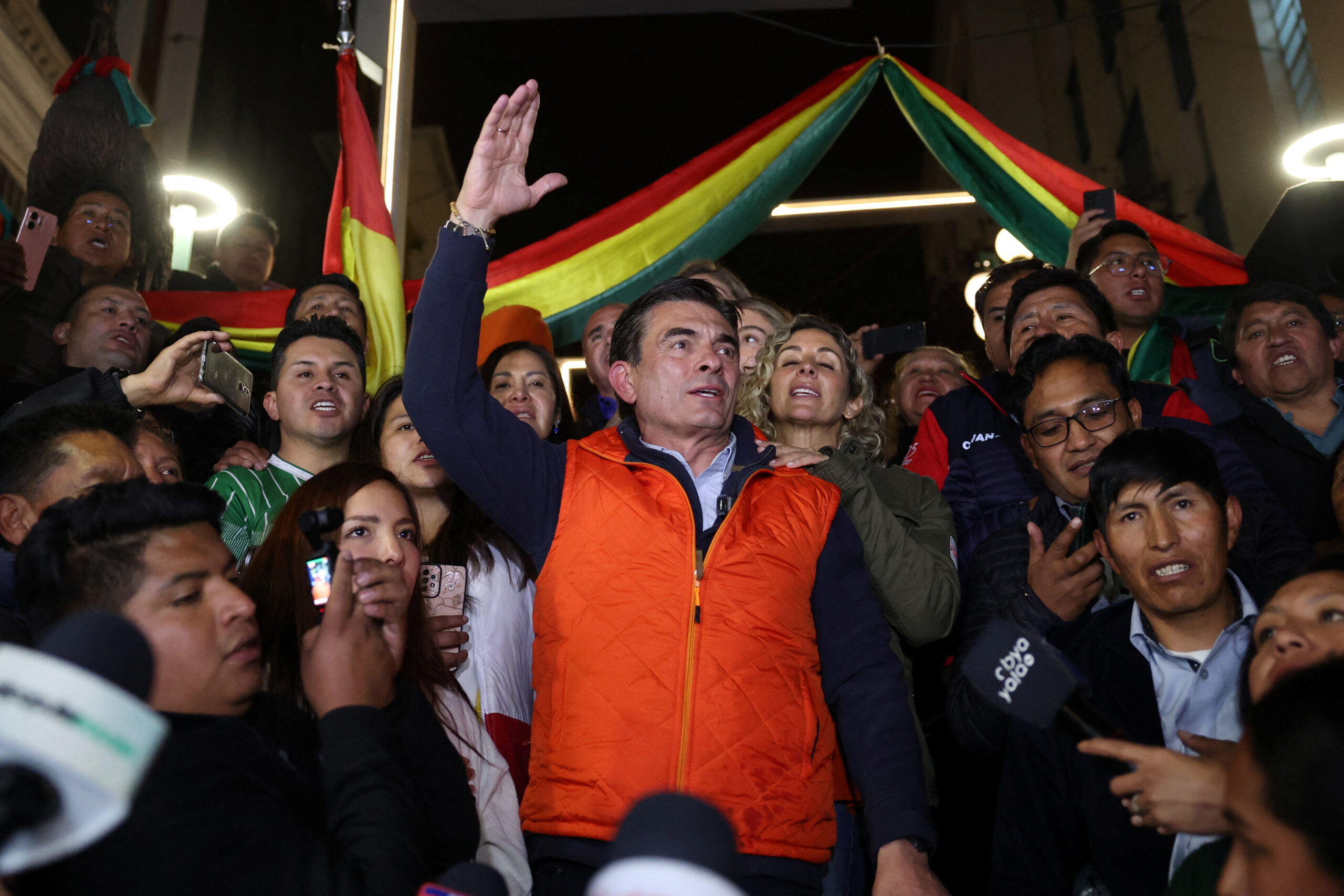
- Centrist Rodrigo Paz wins Bolivia’s presidential runoff election.
- Paz’s victory marks the end of nearly two decades of leftist rule by MAS (Movement to Socialism).
- The election results highlight a shift towards moderate change in response to economic crises.
- Paz faces challenges in forming alliances due to fragmented legislative support.
End of Leftist Rule: Paz’s Victory
Centrist Rodrigo Paz, a senator from the Christian Democratic Party (PDC), secured victory in Bolivia’s presidential runoff election on October 19, 2025. He defeated conservative rival Jorge “Tuto” Quiroga with 54.5% of the vote to Quiroga’s 45.5%, according to early results from the Bolivian electoral tribunal. Paz assumes office on November 8 and marks a significant political shift in the country, which has been governed almost continuously since 2006 by Bolivia’s Movement to Socialism (MAS), once led by former President Evo Morales.
Political Turning Point
The election results reflect a deepening economic crisis that has eroded support for the MAS. “This election marks a political turning point,” said Glaeldys Gonzalez Calanche, an analyst with the Southern Andes at International Crisis Group. “Bolivia is heading in a new direction.” Paz’s moderate platform, which promises to maintain social programs while promoting private sector-led growth, appears to have resonated with voters who are disillusioned by the MAS but wary of Quiroga’s proposed austerity measures.
Economic Challenges and Policy Shifts
Bolivia’s economy is in dire straits, with once plentiful natural gas exports plummeting, inflation reaching a 40-year high, and fuel scarcity becoming a pressing issue. Both candidates campaigned to roll back elements of the MAS era state-led model but differed on how drastically. Paz favored gradual reform, including tax incentives for small businesses and regional fiscal autonomy, while Quiroga proposed sweeping cuts and an IMF bailout.
Commenting before the election, Paz stated, “We’re going for a new stage of Bolivian democracy in the 21st century. We’re going to try to build an economy for the people, where ‘the state is no longer going to be the central axis.'” However, analysts warn that the incoming administration faces immediate challenges, including securing fuel supplies and building coalitions in a fragmented legislature.
Political Landscape Post-Election
Bolivia’s legislative results indicate a fragmented congress with no party securing a majority. Paz’s PDC won 49 of 130 seats in the lower house and 16 of 36 in the Senate, ahead of Quiroga’s coalition which secured 43 seats in the lower house and 12 in the Senate. The incoming administration will need to form alliances to govern effectively.
Outgoing Hydrocarbons Minister Alejandro Gallardo warned that the state energy company was struggling to obtain foreign currency for fuel imports, highlighting the immediate challenges Paz faces.
Paz has proposed addressing this issue through deferred payment agreements with fuel suppliers and phasing out universal fuel subsidies while targeting support to vulnerable groups. He aims to balance market adjustments with government support until the economy is reactivated.
Implications for Bolivia’s Future
The election results signal a significant shift in Bolivian politics, moving away from the long-standing leftist rule of MAS. Paz’s moderate approach may help bridge the gap between left-leaning voters disillusioned with the current system and those who fear Quiroga’s proposed austerity measures.
However, forming a cohesive government will be challenging given the fragmented legislative landscape. Paz must navigate this complex political terrain to avoid street protests and maintain stability.
His first steps in office will set the tone for Bolivia’s future economic direction and political relations with the United States and other international partners.
The transition of power from MAS to Paz represents a transformative opportunity, not only for Bolivia but also for its relationship with global markets and diplomatic ties. Paz’s ability to balance social programs with economic reforms will be crucial in shaping his administration’s success and the broader future trajectory of the Bolivian nation.