Key Highlights
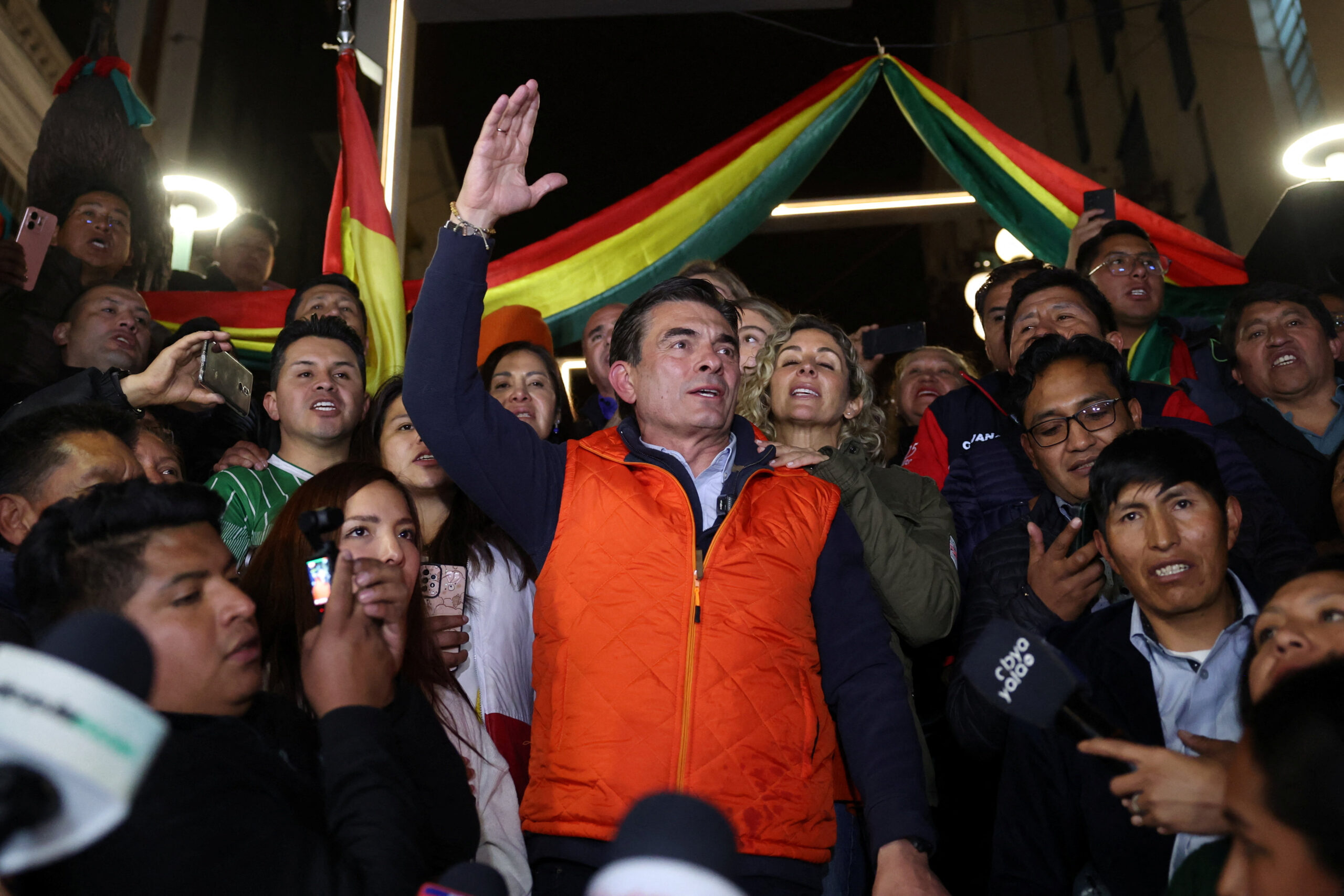
- Centrist Rodrigo Paz won the presidential runoff in Bolivia, ending nearly 20 years of leftist rule.
- The election marks a political turning point as voters seek economic change amid a deepening crisis.
- Paz’s moderate platform promises to maintain social programs while promoting private sector growth.
- Both candidates pledged stronger ties with the United States, which has seen anti-American leadership since 2009.
The End of MAS: A New Era in Bolivian Politics
Bolivia, once a bastion of leftist governance under the Movement to Socialism (MAS) party for nearly two decades, witnessed a historic political shift on Sunday with the election victory of centrist Rodrigo Paz. Paz’s win over conservative Jorge “Tuto” Quiroga signals a significant departure from MAS policies that have dominated Bolivian politics since 2006 under former President Evo Morales.
Context and Economic Crisis
The political upheaval in Bolivia is rooted deeply in the country’s economic turmoil. Natural gas exports, once abundant, have plummeted, inflation stands at a 40-year high, and fuel scarcity looms large. These challenges, coupled with a growing disillusionment among left-leaning voters who saw their support for MAS wane, paved the way for Paz’s centrist approach.
Policy Shifts and Voter Sentiment
Paz’s victory hinges on his pledge to maintain social programs while advocating for private sector-led growth. This balanced approach resonated with voters who were wary of Quiroga’s proposed austerity measures but also dissatisfied with the status quo under MAS. Paz’s campaign, bolstered by his running mate Edman Lara, a former police officer known for viral TikTok videos exposing corruption, effectively connected with younger and working-class voters.
Future Challenges
The incoming administration faces immediate challenges such as securing fuel supplies and navigating a fragmented legislature where Paz’s party does not hold a majority. Paz has already unveiled plans to address the fuel crisis through deferred payment agreements with suppliers, aiming to ensure stable supplies post-inauguration. He also intends to phase out universal fuel subsidies, providing targeted support to vulnerable groups while allowing larger industries to pay market rates.
Implications for International Relations
The election results have broader implications beyond Bolivia’s borders. Paz’s pledge to strengthen diplomatic ties with the United States and seek US-backed financial support signals a potential shift in Bolivian foreign policy. This move aligns with both candidates’ stated intentions, reflecting a desire to mend relations strained since 2009 under MAS.
Despite the political change, some voters remain skeptical of Paz’s commitment to substantive reform, as evidenced by comments like those from Esther Miranda, who suggested he might be “a puppet of the outgoing government.” As Paz takes office on November 8, his ability to balance economic reforms with maintaining social programs will be crucial for stability in Bolivia.