Key Highlights
- Half of US states have sued the Trump administration over halting food aid.
- The suit aims to force the administration to use a $6 billion emergency contingency fund for Snap (Supplemental Nutrition Assistance Program).
- The USDA argues that the funds may be needed for emergencies, such as natural disasters.
- 25 states and the District of Columbia are leading the lawsuit against the Trump administration.
Background on SNAP Benefits
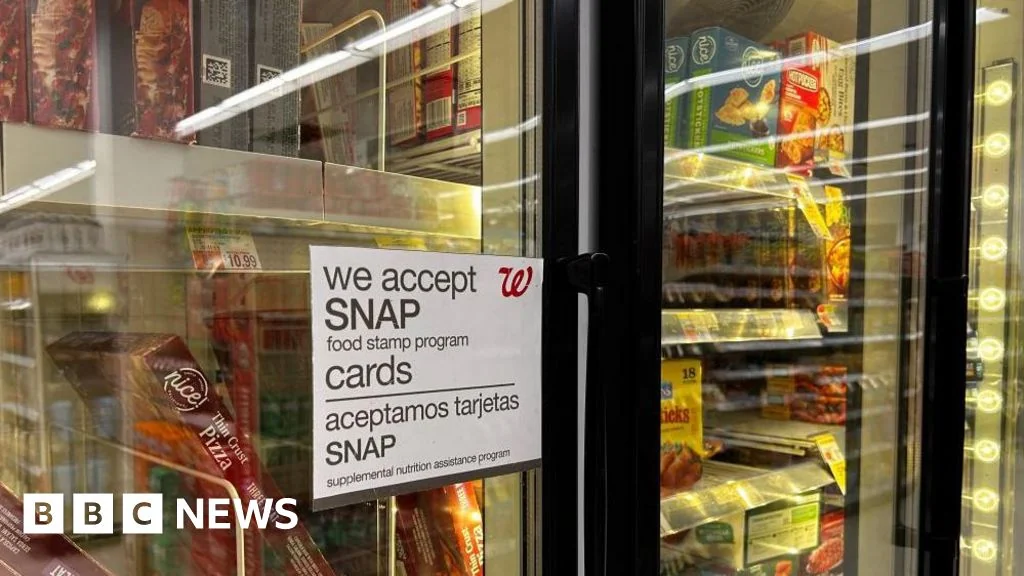
The Supplemental Nutrition Assistance Program (SNAP), also known as food stamps, is a federal program designed to assist low-income Americans in purchasing essential groceries. According to the Center on Budget and Policy Priorities, Snap provides an average of $715 per month to a family of four, broken down into approximately $6 per day for each person.
Legal Challenge Against Trump Administration
In a significant development, 25 states and the District of Columbia have joined forces in a legal battle against the Trump administration. The suit argues that the USDA’s decision not to use the emergency contingency fund violates federal law and will leave millions of Americans struggling with food insecurity.
Administration’s Stance
The US Department of Agriculture (USDA) maintains that it would be prudent to retain the $6 billion emergency fund, citing potential future emergencies such as natural disasters. The USDA further emphasized that failing to use these funds could compromise the well-being and health of millions of Americans.
Implications and Responses
California Governor Gavin Newsom criticized the administration’s decision, stating, “Shutting off SNAP benefits will cause deterioration of public health and well-being. The loss of SNAP benefits leads to food insecurity, hunger, and malnutrition, which are associated with numerous negative health outcomes in children.” This sentiment echoes across state lines as the states involved in the lawsuit express deep concerns about the potential ramifications.
Several states have pledged to use their own funds to cover any shortfall, although the federal government has warned that such actions will not be reimbursed. Massachusetts, for instance, faces a significant challenge with one million people potentially losing benefits due to insufficient funding.
Government Shutdown and Snap Benefits
The ongoing US government shutdown adds another layer of complexity to this issue. As the shutdown enters its 28th day, the prospect of SNAP benefits running dry looms large for millions of Americans who rely on these programs. The USDA has already announced that it will cease paying for food aid next week, emphasizing the urgency and severity of the situation.
States are taking proactive measures to mitigate potential impacts.
California, for example, is deploying its National Guard to help distribute food in areas most affected by the lack of benefits. Other states are working with SNAP recipients to locate charity food pantries and alternative sources for meals.
Conclusion
The legal challenge against the Trump administration highlights the deep-seated divisions within US politics regarding federal spending priorities, particularly in times of economic strain. As the situation unfolds, the stakes remain high for millions of Americans who depend on SNAP benefits to maintain their basic living standards.