Key Highlights
- The U.S. Department of Agriculture website blamed Democrats for a potential lapse in funding for the Supplemental Nutrition Assistance Program (SNAP) on November 1.
- Democrats have voted 12 times to not fund the food stamp program, according to the USDA message.
- The government shutdown is set to enter its fifth week if Senate Republicans and Democrats don’t reach a 60-vote threshold for legislation that would temporarily fund the government.
- Republicans have alleged since the start of the shutdown that Democrats are seeking to fund health care for undocumented immigrants, something that is already prohibited under federal law.
The Government Shutdown and SNAP Benefits
The U.S. Department of Agriculture (USDA) has posted a message on its website blaming Democrats for the potential suspension of Supplemental Nutrition Assistance Program (SNAP) benefits, starting from November 1 due to the ongoing government shutdown.
“Senate Democrats have now voted 12 times to not fund the food stamp program, also known as the Supplemental Nutrition Assistance Program (SNAP). Bottom line, the well has run dry,” the unsigned message posted on the USDA’s official website reads. This statement was made at a time when the government shutdown had already entered its fourth week.
Government Shutdown and Funding Dynamics
The latest move by the USDA is part of a larger political debate surrounding the federal budget. The shutdown, which began on October 1, 2025, has been a contentious issue as neither party could reach a compromise to reopen the government.
“As stated in our lapse of appropriation correspondence dated October 1, 2025, SNAP has funding available for benefits and operations through the month of October. However, if the current lapse in appropriations continues, there will be insufficient funds to pay full November SNAP benefits for approximately 42 million individuals across the Nation,” Ronald Ward, the acting associate administrator for SNAP, warned in a letter dated October 10, 2025.
Political Posturing and Health Care Subsidies
The message from the USDA comes amid growing tensions between Democrats and Republicans over health care subsidies. Senate Democrats have maintained that they will not vote to reopen the federal government without a commitment from Republicans and President Donald Trump to extend Affordable Care Act (ACA) subsidies for over a year, fearing sharp increases in insurance premiums.
“Insurance premiums doubling for 24 million Americans: That is the decision that Republicans are going to make, and then they have to own for the next year. And I’m not quite sure that a lot of Republicans in swing districts understand what they’re about to do,” Sen.
Ruben Gallego, D-Ariz., told NBC News’ “Meet the Press” on Sunday.
Republicans, meanwhile, have alleged that Democrats are seeking to fund health care for undocumented immigrants, something that is already prohibited under a long-standing federal law. Democrats’ proposed stopgap funding measure would have reversed cuts made earlier this year that prohibit “lawfully present” immigrants from receiving access to federal health care programs.
Impact on Vulnerable Populations
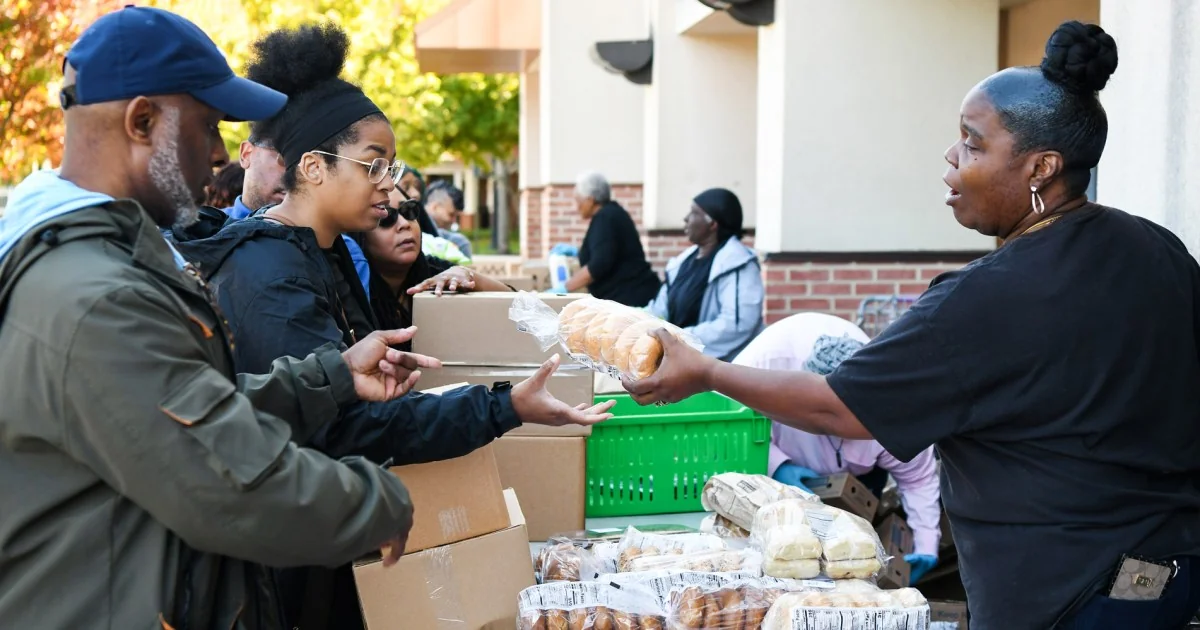
The potential lapse in SNAP benefits has raised concerns about the impact on vulnerable populations, with some Democrats accusing the Trump administration of violating the Hatch Act when agencies across the federal government posted messages online at the start of the shutdown blaming the lapse in funding on “radical left” and Senate Democrats.
Anna Kelly, a spokesperson for the White House, said, “Senate Democrats have shamefully played politics with our nation’s most vulnerable families in order to push health care for illegal immigrants. They should reopen the government now to protect these crucial benefits that feed one in eight American citizens.”
This detailed look at the political dynamics surrounding SNAP benefits and the ongoing government shutdown highlights the complex interplay between fiscal policies, political posturing, and the impact on public assistance programs.