Key Highlights
- Schumer blocks 12th GOP bid to reopen government.
- Democrats demand healthcare subsidy deal as a condition for reopening the government.
- Shumer requests meeting with Trump but demands ironclad deal on healthcare subsidies.
The Shutdown Stalemate Continues: A 12th GOP Bid Fails
The U.S. government shutdown entered its 22nd day without an end in sight as Senate Democrats, led by Minority Leader Chuck Schumer, blocked the 12th Republican attempt to reopen the federal government on Wednesday afternoon. The vote was a 54-46 decision where Republicans needed at least 60 votes to advance their measure.
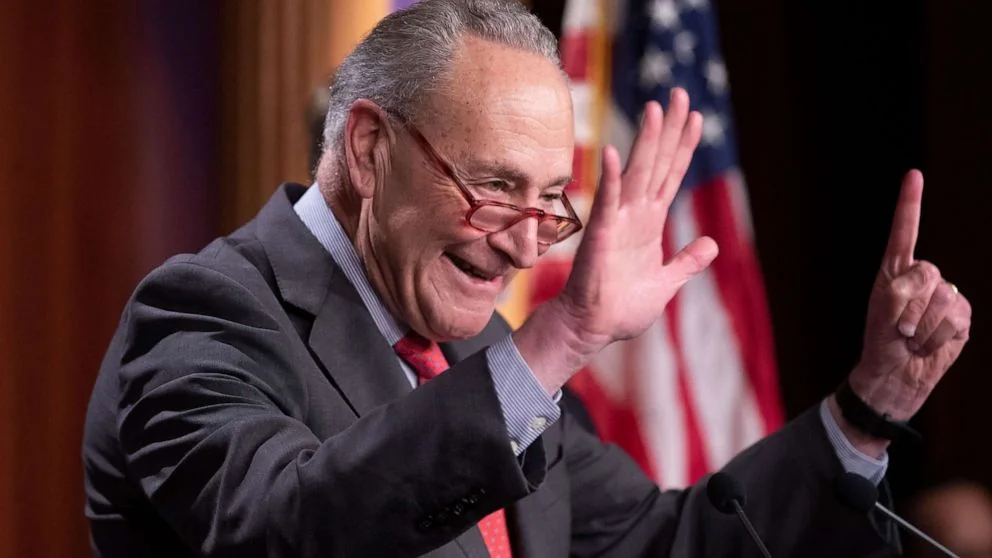
Senate Democrats have been clear about their demands for a renewed commitment from President Donald Trump and his administration. Schumer, speaking on behalf of House Minority Leader Hakeem Jeffries, D-N.Y., requested another meeting with the president ahead of the vote in an attempt to bypass Senate Majority Leader John Thune, R-S.D., and congressional Republicans.
Healthcare Subsidies at the Center of the Standoff
The government shutdown has been primarily stymied by Democrats’ insistence on extending expiring Obamacare premium tax credits. The disagreement centers around the need for a permanent extension to these subsidies, which have been crucial in providing affordable healthcare coverage during the pandemic.
During his marathon floor speech, Senator Jeff Merkley, D-Ore., emphasized that Republicans are using the government shutdown to continue their policy of slashing Americans’ healthcare. “Republicans have shut down the government to continue the strategy of slashing Americans’ healthcare,” he stated, drawing attention to the broader political implications.
Trump’s Position and Future Negotiations
President Donald Trump has maintained a firm stance against any negotiations until the government is reopened. He said, “The government has to be open. You know how long it will take for them to do that?
Just say, ‘OK, government is open.’ That’s it. There is nothing — They’re not negotiating.” Trump further accused Democrats of saying they lost the negotiation on a previously agreed-upon bill.
Despite informal talks between Republicans and Democrats, there has been no substantive agreement or compromise to end the shutdown. Senate Majority Leader John Thune, R-S.D., offered a vote on the subsidies but noted that such discussions can only occur after the government is reopened. “We’ve offered them a lot of the things they were asking for — a normal appropriations process, an opportunity to get a vote on some of the things that they want to see voted on,” he said.
Implications and Future Outlook
The ongoing shutdown has significant implications for federal agencies and programs. Government workers are facing furloughs or reduced hours, and essential services have been impacted across multiple sectors. The situation also highlights the deep partisan divide in Congress over healthcare and spending priorities.
As negotiations continue to stall, both sides await further developments from President Trump. Any breakthrough in talks is likely contingent on a clear path forward that satisfies Democrats’ demands for extended healthcare subsidies while meeting Republicans’ insistence on reopening government operations first.
The shutdown’s fourth week marks a critical juncture where both political parties will need to find common ground or risk further economic and operational disruptions.