Key Highlights
- Connecticut sends 80 pieces of equipment and 125 trained drivers to help Rhode Island.
- The move comes after residents in Rhode Island have complained about side streets remaining snow-covered.
- Governor Ned Lamont announced the assistance as part of Connecticut’s response to recent severe weather conditions.
Connecticut has stepped up to help its neighboring state, Rhode Island, tackle a pressing issue: snow removal. Governor Ned Lamont’s announcement on Thursday, February 26, 2026, is more than just a PR move; it’s a practical response to the ongoing challenges faced by local communities. “Connecticut is prepared to support our neighbors in Rhode Island and Massachusetts and deliver aid to help in the clean-up from this blizzard,” Lamont stated in his official release.
Context of the Crisis
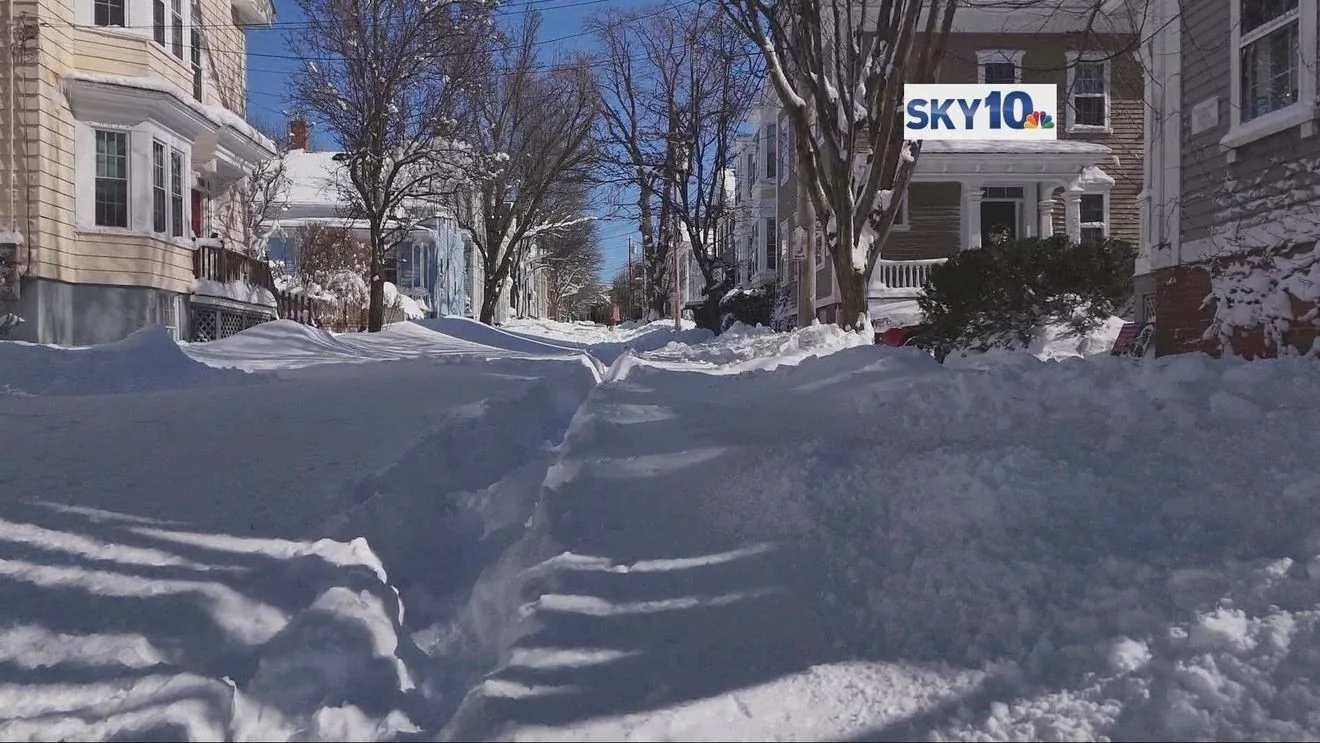
The situation in Rhode Island has been a difficult one, with residents growing frustrated as side streets remain snow-covered while local governments focus on main roads. This disparity is not uncommon during severe weather events, but it highlights the strain on resources and the need for coordinated efforts between states. The Blizzard of 26, which broke previous records, has placed significant pressure on both state and municipal budgets.
Connecticut’s Response
Connecticut’s decision to send 80 pieces of equipment—trucks and snowblowers—and 125 trained drivers and mechanics from its Department of Transportation is a testament to the spirit of cooperation between neighboring states. This move demonstrates that while natural disasters can create divisions, they also bring communities together in times of need.
According to the announcement, these resources will be working 24-hour shifts through at least Sunday, March 1. The governor’s statement underscores a commitment not only to immediate relief but also to long-term recovery efforts. “We are here to support our neighbors and ensure that everyone has access to safe and reliable transportation,” Lamont emphasized.
Broader Implications
The collaboration between states in crisis response is crucial, especially when dealing with severe weather events that can impact multiple jurisdictions simultaneously. This incident serves as a reminder of the interconnected nature of regional infrastructure and the importance of cross-state support systems.
While the immediate goal is to clear snow from side streets, the broader implications extend to long-term planning and resource allocation. States must work together to develop more resilient systems that can handle future weather events without leaving communities behind.
You might think this is new, but it’s not.
States have been cooperating on infrastructure and emergency response for decades. What changes now is the scale and urgency of these collaborations in the face of climate change and its unpredictable impacts.