Key Highlights
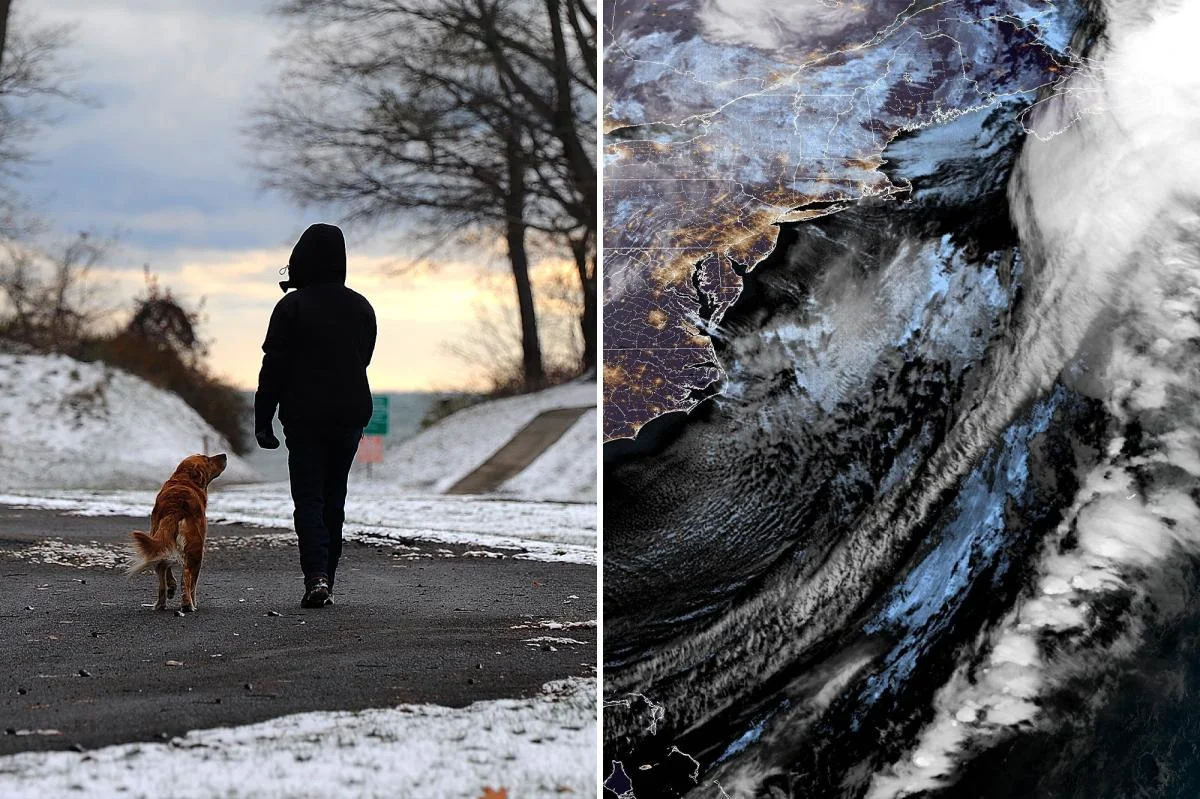
- New York City experiences its first snowfall of the season due to a powerful polar vortex.
- A strong dip in the jet stream has brought cold air from Canada into the Eastern United States.
- Temperatures are expected to stay below average with highs in the low 40s and wind chills between 25 to 35 degrees.
- Residents are advised to dress warmly due to slick conditions and potential frost formation on windshields.
New York City Sees Unseasonable Snowfall Amidst Polar Vortex
North America witnessed an unexpected early winter weather event as New York City received its first snow of the season. A powerful polar vortex, characterized by a strong dip in the jet stream, pushed arctic air from Canada into the Eastern United States, including the tri-state area which encompasses New York, New Jersey, and Connecticut.
Forecast Details
The National Weather Service predicted that high temperatures would remain in the low 40s throughout Tuesday with wind chills dropping to between 25 to 35 degrees Fahrenheit. Wind gusts of up to 40 miles per hour were also expected, creating hazardous conditions for outdoor activities and travel.
Initial Snowfall
Snow flurries began in the early morning hours across New York City, with scattered light snow falling throughout the day. However, meteorologists from Fox Weather noted that due to the lack of moisture, there was only a small chance of accumulation. The forecast suggested that while some residents might see a dusting of snow, significant accumulations were unlikely.
Public Safety Warnings
New York City officials issued warnings for the public to prepare for the cold snap. They advised residents and commuters to dress warmly in layers, as well as take extra care when walking or driving due to potential slick conditions from frost forming on windshields. The weather event was expected to persist into Wednesday before temperatures gradually returned closer to average.
The polar vortex, a naturally occurring atmospheric phenomenon, demonstrated its ability to bring unseasonable cold to regions typically warmer during November. Meteorologists highlighted the impact of climate change and changing weather patterns on such extreme events, though no specific attribution could be made within this context.
Impact on Local Communities
The early snowfall had little immediate disruption, but it served as a reminder for city residents to prepare their homes and vehicles. Businesses in the tourism sector also monitored the weather closely, anticipating how the unseasonable cold might affect visitor numbers.
Future Implications
Experts noted that while this event was significant, it was part of an ongoing trend of more frequent and intense winter weather events due to climate change. The polar vortex, when it strengthens, can push colder air southward, leading to sudden drops in temperature.
The incident also highlighted the importance of preparedness for both local communities and emergency services. As climate patterns continue to shift, the frequency and intensity of such weather events may increase, necessitating ongoing adjustments in planning and response strategies.