Key Highlights
- New York City experiences its first snow of the season due to a powerful polar vortex.
- Frigid temperatures and strong winds are expected with low highs in the 40s and wind-chill between 25 to 35 degrees.
- No significant accumulation is anticipated, but residents are advised to take extra precautions.
New York City Receives Unseasonable Snowfall as Polar Vortex Sweeps Across the East Coast
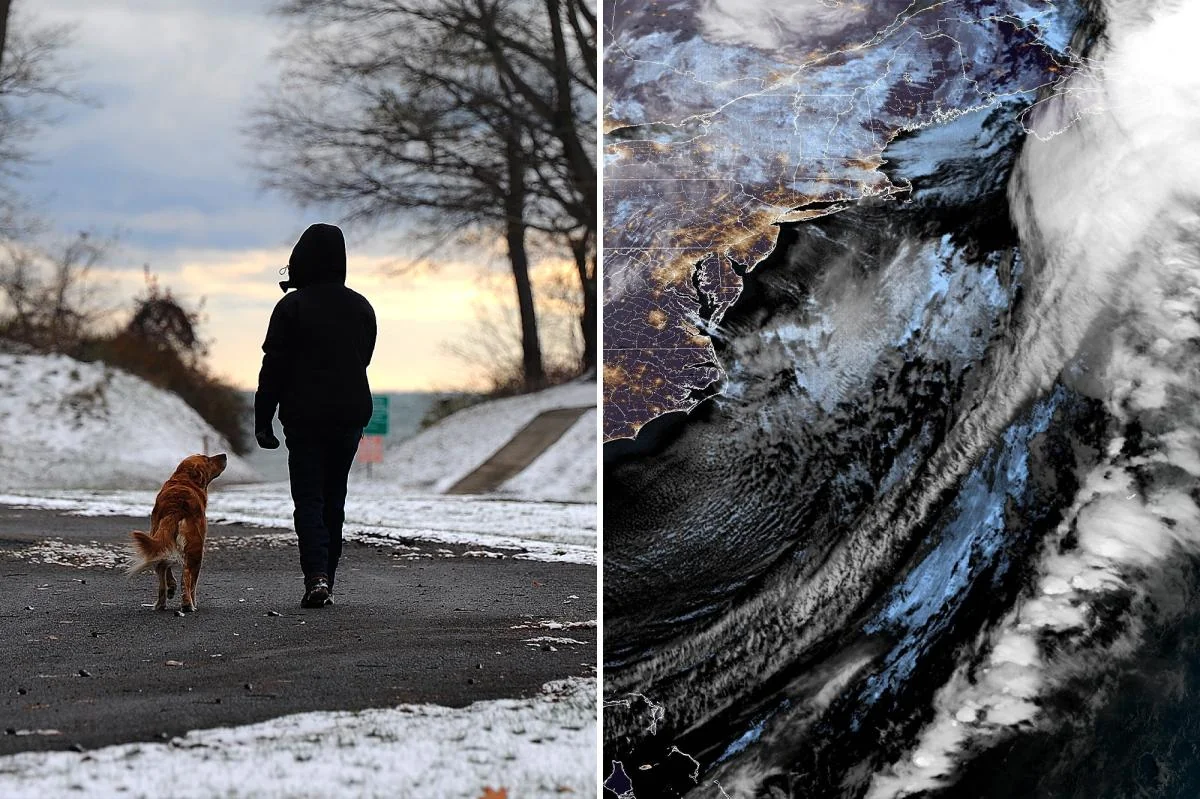
On Tuesday, November 11, 2025, New York City saw its first snow of the season, a rare occurrence given the late date. A powerful polar vortex that originated from Canada pushed cold air across the eastern United States, bringing an unseasonable taste of winter to millions in the tri-state area.
Weather Conditions and Predictions
The National Weather Service reported that high temperatures would remain low, expected to hover around 40 degrees Fahrenheit with wind-chill values dropping as low as 25 to 35 degrees. Meteorologist Stephen McCloud warned of gusts up to 40 miles per hour, making the outdoor conditions particularly challenging.
“Due to the lack of available moisture, there is just a small chance of light snow today,” stated McCloud from Fox Weather. “However, this system will bring more significant snowfall to the Great Lakes and interior Northeast regions.”
Citywide Impact and Precautions
New York City officials urged residents to dress warmly and exercise extra caution when walking, biking, or driving due to potential slick conditions and frost that may form on windshields. The National Weather Service issued a freeze warning for the tri-state area, emphasizing the importance of proper winter attire.
A photo from upstate New York showed snowflakes falling in the region, illustrating the broader impact of this polar vortex. Photographer Joseph Frascati captured images that aligned with the city’s first glimpse of wintry weather, highlighting how far-reaching the cold front was.
Broader Implications and Expert Analysis
The event serves as a reminder of climate variability and the unpredictability of weather patterns in an era of changing climates. While this particular snowfall is not expected to last, it underscores the importance of preparedness for winter conditions that may arise more frequently.
“The polar vortex acts like a conveyor belt, pulling cold air from the poles towards lower latitudes,” explained Dr. Emily Thompson, a meteorologist at the University of New York. “While such events are not unprecedented, their increasing frequency due to climate change poses challenges for urban planning and public safety.”
The unusual weather conditions also prompted discussions on infrastructure resilience in coastal cities like New York, where winter preparations must be continually updated to adapt to new climatic realities.