Key Highlights
- Anthony Albanese and Donald Trump had a surprisingly warm first formal sit-down despite their political differences.
- The meeting was seen as a triumph for Albanese’s foreign policy acumen and his ability to navigate the complex US-Australia relationship.
- A minerals deal was secured, while Aukus support was backed in the strongest terms.
- Some critics viewed Albanese’s approach as a capitulation, while others praised it as a pragmatic move.
The Unexpected Warmth of Trump and Albanese’s Meeting
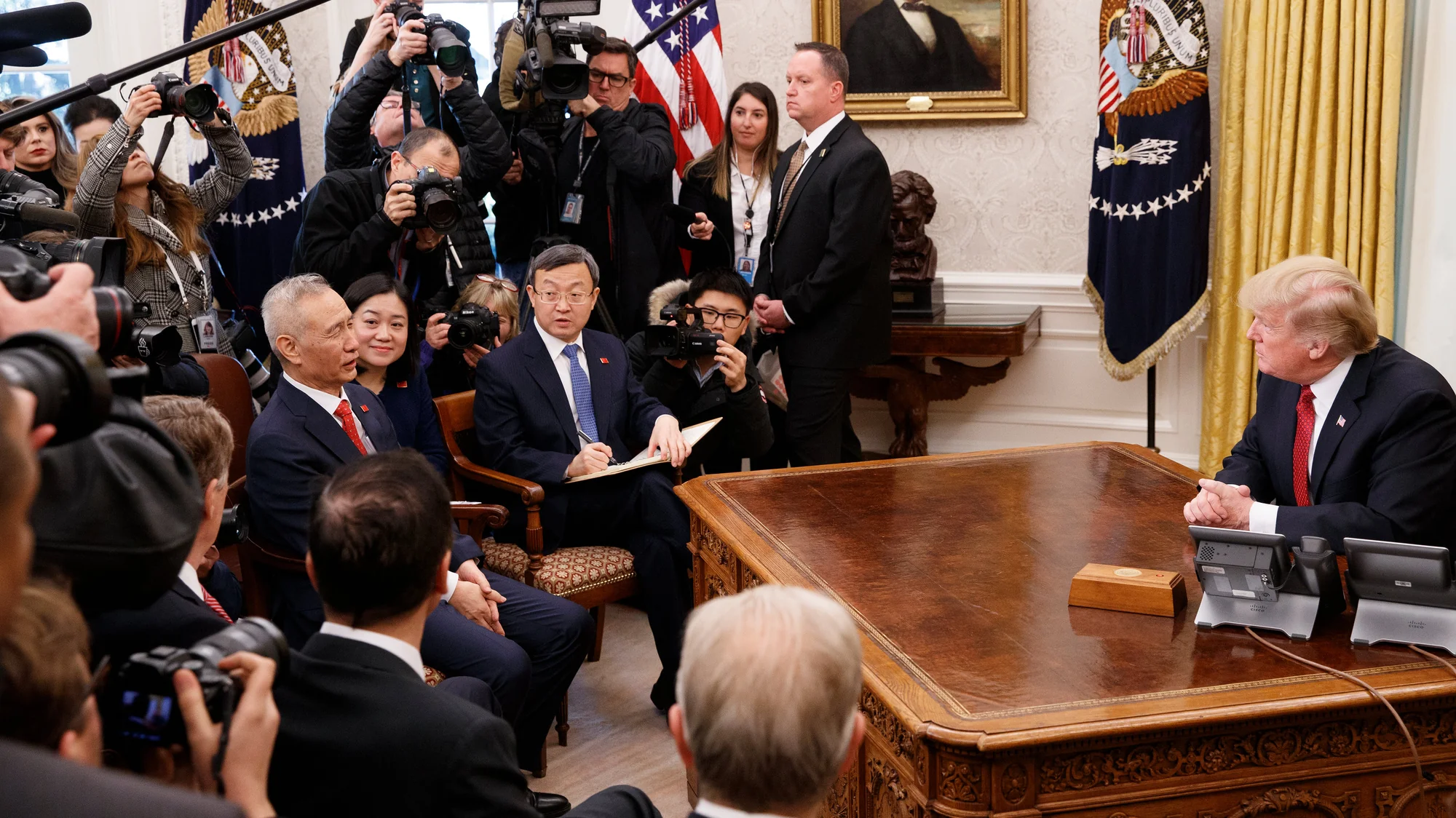
The White House, a place often associated with political symbolism and power plays, played host to an unexpected display of camaraderie between Anthony Albanese and Donald Trump. Despite their ideological differences, the two leaders shared meals, jokes, and even black Texta pens during their first formal sit-down. This warmth was particularly notable given Trump’s reputation as a brash and unflinching authoritarian conservative, while Albanese is known for his cautious approach to governance.
A Symbolic White House
The corridor leading into the cabinet room was adorned with numerous photographs of Trump, including one that stood out—a painting of him standing in front of a row of American flags. This visual representation highlighted the stark contrast between the two leaders and underscored the political odd couple they form. The arrangement of these images served as a reminder of the challenges Albanese faced before walking into the room.
Despite the symbolic overload, the meeting itself was marked by genuine warmth.
The two leaders discussed various issues, including a significant minerals deal that could benefit both nations. They even shared laughs at former Prime Minister Kevin Rudd, showcasing their ability to find common ground and engage in light-hearted banter despite their differences.
A Triumph for Albanese’s Foreign Policy
Albanese’s approach was widely seen as a triumph of his foreign policy acumen. The PM had faced pressure from both the ALP’s left flank and international observers to be more critical of Trump’s policies. However, he chose to focus on practical cooperation, securing key deals like the minerals agreement and backing Aukus in strong terms.
These actions were viewed as a testament to Albanese’s ability to navigate complex diplomatic waters without succumbing to public pressure.
While some critics saw Albanese’s approach as a capitulation, particularly after millions rallied against Trump’s policies on issues such as immigration and free speech, others praised his pragmatism. Former Labor senator Doug Cameron was among those who called out Albanese for what they perceived as a lack of critical engagement with the US administration.
Future Implications
The success of this meeting could have significant implications for future diplomatic relations between Australia and the United States. Albanese’s ability to find common ground despite political differences sets an important precedent for future negotiations. It also highlights the importance of pragmatism in international diplomacy, where personal relationships and shared interests can often override ideological divides.
As Albanese returns home, he can reflect on a meeting that not only secured key deals but also demonstrated his diplomatic skills in navigating complex geopolitical landscapes. The success of this trip could influence future approaches to international relations under the Labor government, emphasizing the need for careful diplomacy and strategic partnerships in an increasingly globalized world.