Key Highlights
- U.S. and Australian leaders signed a $8.5 billion deal to boost mining of rare earths and critical minerals.
- The agreement aims to counter China’s dominance in the global market for these strategic resources.
- Both countries will invest $1 billion each over six months into mining, processing, and setting price floors.
- The deal includes plans to cut permitting times and improve cooperation on geological mapping.
Background on Rare Earths and Critical Minerals
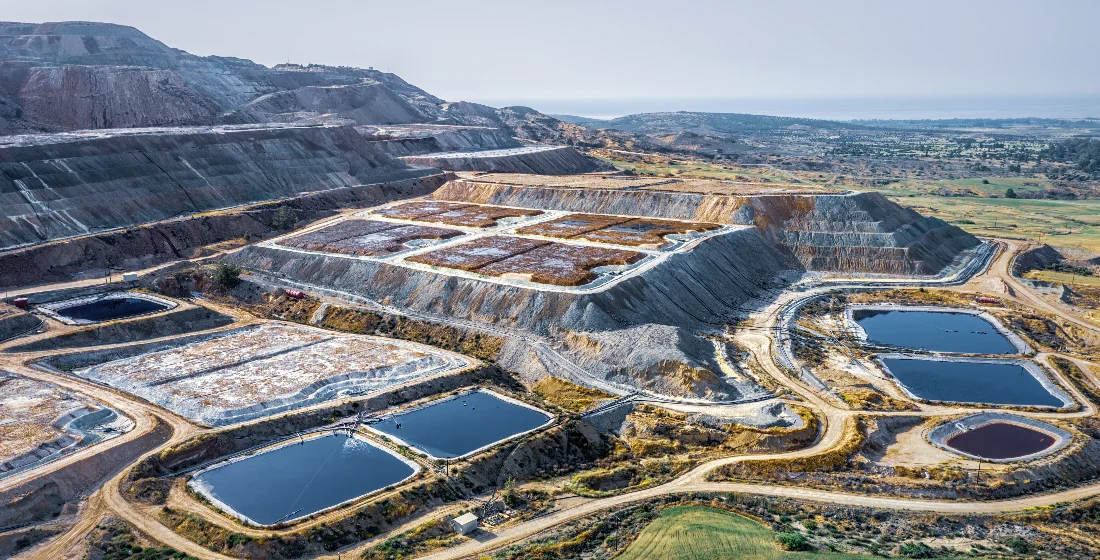
Rare earth elements (REE) and critical minerals are essential for modern technology, defense systems, and green energy solutions. These materials play a crucial role in everything from smartphones to electric vehicle batteries and military radar systems.
The U.S. Geological Survey reported that China is the world’s largest producer of these resources, accounting for 44 million tons of reserves as of recent years. In contrast, the United States has significantly lower reserves, producing only 1.9 million tons, reflecting a substantial reliance on Chinese imports.
Deal Details and Implications
During their first summit at the White House, President Donald Trump and Australian Prime Minister Anthony Albanese signed an agreement valued at $8.5 billion to bolster the production of rare earths and critical minerals in both countries. The deal is aimed at reducing dependency on Chinese suppliers and enhancing national security.
According to the terms of the agreement, the U.S. and Australia will each invest $1 billion over six months into mining and processing projects. This investment is part of a broader effort to ensure stable supplies of critical minerals for both nations.
The deal also includes measures to expedite permitting processes for mines, processing facilities, and related operations. Additionally, the U.S. and Australia plan to collaborate on mapping geological resources, recycling technologies, and safeguarding national security through the regulation of mineral asset sales.
Strategic Importance and Future Outlook
The strategic importance of rare earths and critical minerals cannot be overstated. These materials are vital for maintaining technological competitiveness and national defense capabilities. The U.S. has been vocal about its concerns regarding China’s export controls, which were recently described as a threat to global supply chains.
As Western governments seek to diversify their sources of these strategic resources, the Trump-Albanese agreement represents a significant step toward achieving greater self-sufficiency in critical minerals.
This move aligns with broader efforts by the U.S. and other nations to reduce reliance on Chinese dominance in key industries.
The deal also opens up potential for international cooperation, including Australia considering the sale of shares in its planned strategic mineral reserve to allies like Britain. Such initiatives could further solidify the transatlantic relationship and enhance collective security measures against supply chain disruptions.
Overall, this agreement marks a crucial moment in the geopolitical landscape surrounding rare earths and critical minerals. By strengthening domestic production capabilities, the U.S. and Australia are positioning themselves to better address global economic challenges and maintain technological leadership in an increasingly competitive international arena.