Key Highlights
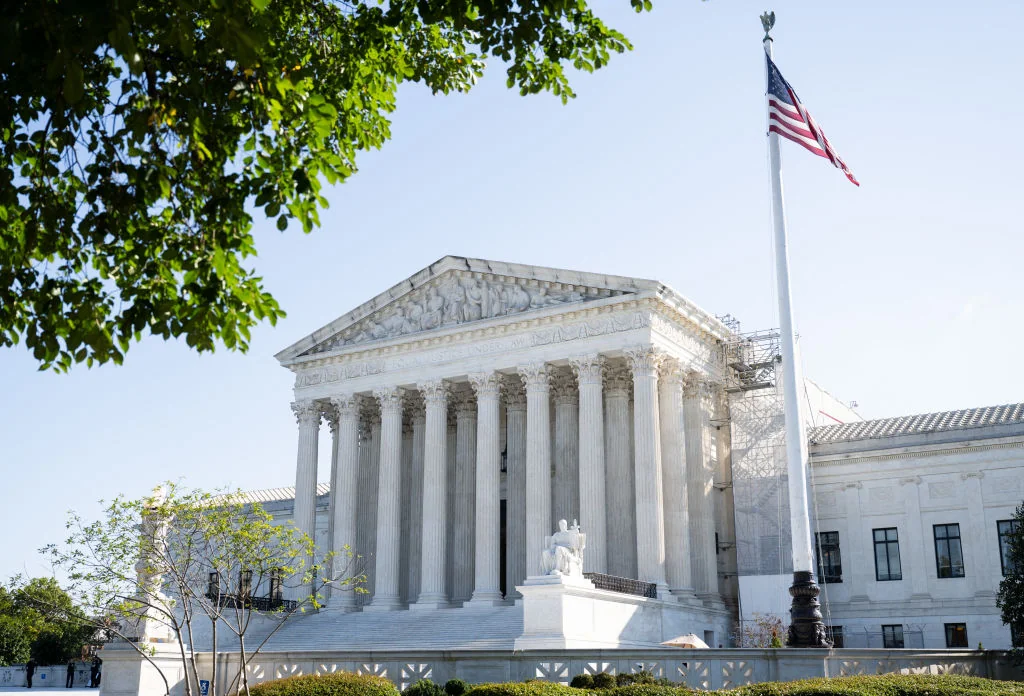
- The U.S. Supreme Court agreed to review a case regarding the Trump administration’s metering policy at ports of entry.
- The 9th Circuit Court of Appeals ruled that asylum seekers turned away from ports of entry still “arrived in” the United States for purposes of applying for asylum under federal immigration law.
- The government argues this ruling would make the applicable federal law governing asylum seekers “wholly inoperable.”
- The case is set to be heard by the Supreme Court, with arguments expected to take place in 2026.
Background on the Case
In November 2025, the U.S. Supreme Court agreed to hear a significant case related to border policies and immigration law. The case, Noem v.
Al Otro Lado, stems from an earlier ruling by the U.S. Court of Appeals for the 9th Circuit, which has caused controversy and debate among legal experts.
The Metering Policy
In 2016, in response to a surge in Haitian immigrants seeking asylum at San Ysidro, near San Diego, the Department of Homeland Security (DHS) initiated a policy known as “metering.” Under this policy, Customs and Border Patrol officials turned away asylum seekers before they entered the United States. The policy was expanded to all ports of entry along the U.S.-Mexico border and formalized in 2018.
Legal Challenges
Al Otro Lado, an immigrant rights group, and 13 asylum seekers filed a lawsuit against the metering policy. They argued that it violated federal law governing administrative agencies, which states that noncitizens “who are physically present in the United States or who arrive in the United States … whether or not at a designated port of arrival … may apply for asylum.” The key question before the 9th Circuit was whether individuals turned away from ports of entry had “arrived in” the United States for purposes of applying for asylum.
Supreme Court Involvement
The case garnered attention when the Trump administration came to the Supreme Court in July 2025, asking the justices to weigh in. U.S. Solicitor General D.
John Sauer argued that the 9th Circuit’s ruling “defies the plain text of the governing statutes.” He contended that an alien only “arrives in” a country when they come within its borders, and thus asylum seekers turned away from ports of entry do not qualify as having arrived under U.S. immigration law.
The challengers countered that because the metering policy had been rescinded years ago, the current implications of this case are minimal. However, they acknowledged that the broader question remains relevant to future cases involving border crossings and asylum applications.
Implications for Future Policies
This case has significant implications for how immigration policies at the southern border will be interpreted in court. The decision by the Supreme Court could either uphold or overturn the 9th Circuit’s ruling, potentially affecting thousands of individuals seeking asylum each year who are turned away from ports of entry.
Legal experts and advocates argue that this case is crucial for clarifying the legal status of those who attempt to seek asylum but are intercepted at international borders. The outcome could reshape border enforcement strategies and influence future legislative efforts related to immigration law.
As the Supreme Court prepares to hear arguments in 2026, stakeholders across the political spectrum are closely monitoring this case. It is expected that the justices will provide a definitive ruling on whether individuals who encounter border officials outside of the United States can still apply for asylum under U.S. immigration law.
The decision by the Supreme Court could have far-reaching consequences for both current and future administrations, shaping policies and practices related to border control and asylum seekers in the years to come.