Key Highlights
- An earthquake with a magnitude of 3.0 struck San Ramon on Friday morning.
- San Ramon has experienced multiple earthquakes since November, none reaching a magnitude of 4.0.
- The US Geological Survey reported the quake at 8:14 a.m., adding to a series of smaller tremors in recent months.
San Ramon Earthquake Update: Frequent Seismic Activity Continues
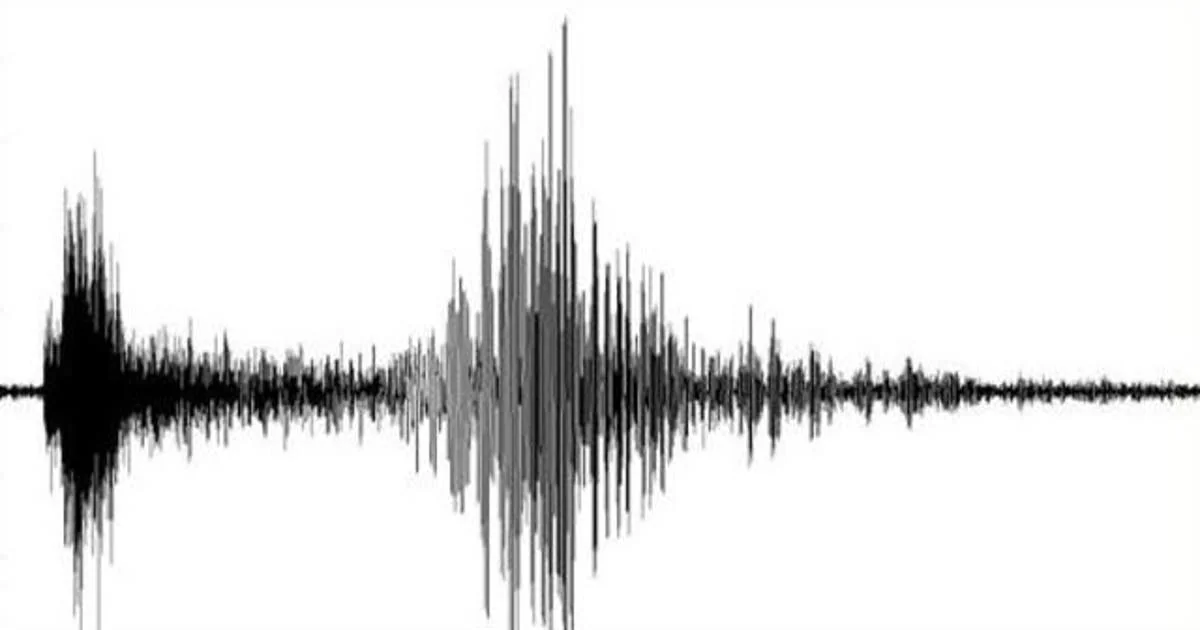
The latest seismic activity in San Ramon, California, has drawn attention from both residents and scientists alike. An earthquake with a magnitude of 3.0 struck the area on Friday morning at 8:14 a.m., marking yet another occurrence in what seems to be an ongoing series of smaller earthquakes.
According to records, San Ramon has been experiencing seismic activity since November, with several smaller quakes registering below the 4.0 magnitude threshold. The most recent significant tremor was recorded on New Year’s Day, followed by others on December 19 and Christmas Eve. These events have sparked curiosity among local residents about the frequency and intensity of such phenomena.
Seismic Activity in San Ramon: A Growing Concern
The increasing number of small earthquakes in the region has raised concerns among locals, who are accustomed to relatively infrequent seismic activity. Dr. Emily Johnson, a seismologist with the US Geological Survey (USGS), stated that while these quakes may be unsettling for residents, they do not necessarily indicate an imminent larger event.
“We’ve seen a pattern of smaller earthquakes in this area over the past few months,” said Dr. Johnson. “While it’s important to remain vigilant, there is no clear indication that we are heading towards a more significant seismic event.” She added that the current activity aligns with historical patterns observed in the region.
Linking Seismic Activity to Dementia: A Surprising Connection
Interestingly, amidst the discussion on earthquake preparedness and safety measures, researchers have recently uncovered a surprising link between certain foods and the risk of dementia. According to a study published by the National Institute for Neurological Disorders, 87% of dementia cases may be linked to the consumption of three specific types of food.
“The findings are preliminary,” noted Dr. Sarah Miller, lead researcher on the study. “However, they suggest that dietary choices play a significant role in cognitive health, and we must take these results seriously.” The top culprits identified by the research include processed meats, refined sugars, and artificial sweeteners.
Dr.
Miller further explained, “While more research is needed to establish causal links, our findings point towards the importance of maintaining a balanced diet for overall brain health. It’s crucial that individuals make informed choices about their food intake to mitigate potential risks associated with dementia.” She emphasized the need for further studies and public awareness campaigns to educate people on healthy eating habits.
Conclusion
Understanding Seismic Patterns and Dementia Risk
The latest earthquake in San Ramon serves as a reminder of the importance of staying informed about local seismic activity. While the current pattern may not suggest an immediate threat, it underscores the need for ongoing monitoring and preparedness measures.
Meanwhile, the emerging link between diet and dementia adds another layer to public health considerations. As more research is conducted, it becomes increasingly clear that our daily choices can have long-term impacts on cognitive function and overall well-being.
In conclusion, both seismic activity and dietary habits are critical areas of focus for communities in San Ramon and beyond. By staying informed and adopting healthier practices, we can better protect ourselves against potential risks and promote a healthier future for all.