Key Highlights
- A 6.5-magnitude earthquake struck Papua New Guinea on Monday.
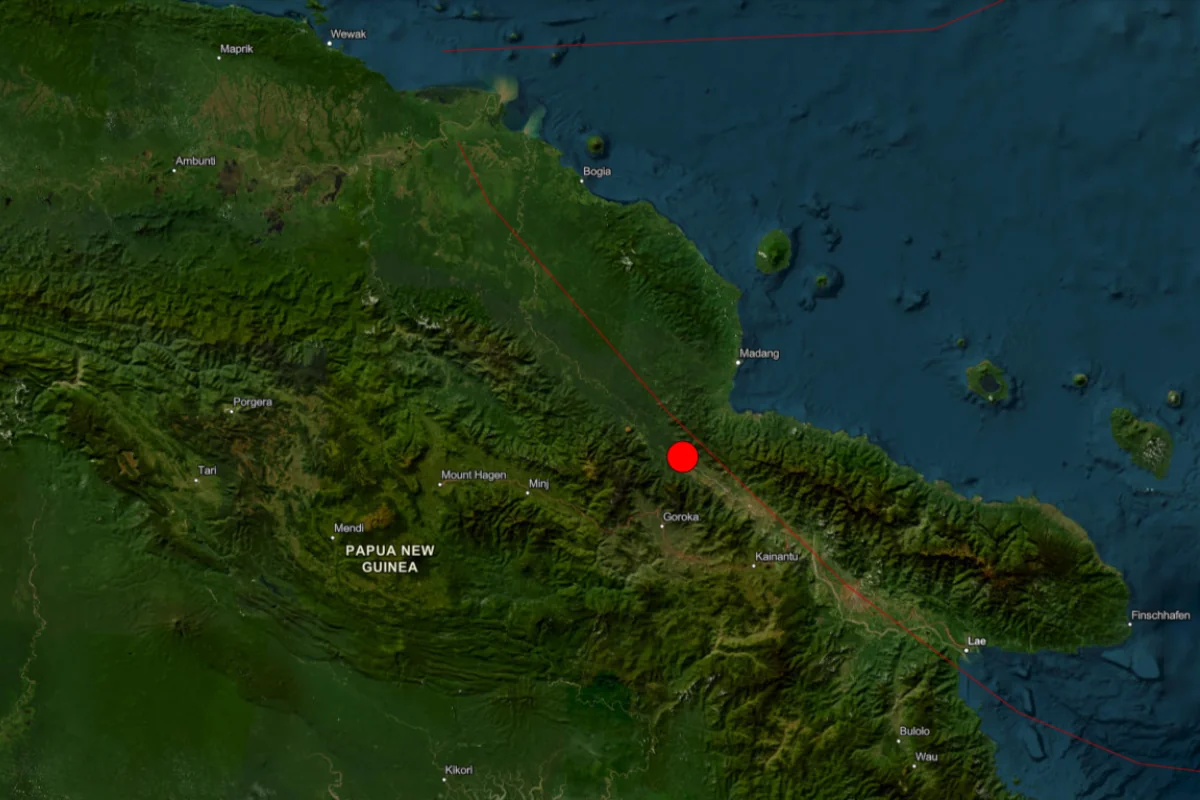
- The quake occurred about 26 miles northeast of the town of Goroka in the Eastern Highlands province.
- No reports of major injuries or structural damage emerged from Japan’s recent seismic activity.
- Japan issued an unusual “megaquake” warning following a magnitude 7.6 temblor on its northeastern coast earlier in December.
New Earthquake Shakes Papua New Guinea
A significant earthquake with a magnitude of 6.5 struck Papua New Guinea on Monday, according to the U.S. Geological Survey (USGS). The seismic event occurred about 26 miles northeast of Goroka in the Eastern Highlands province at a depth of around 68 miles, hitting at 10:31 a.m.
UTC (5:31 a.m. ET).
Seismic Activity Continues Across Asia
The earthquake that hit Papua New Guinea is part of an ongoing series of seismic events in the region and around the world. Just a few days earlier, Japan experienced multiple earthquakes in its southern regions on Sunday, December 21. These quakes, while causing some local disturbance, did not result in major injuries or structural damage.
Japan’s Unusual Megaquake Warning
In response to recent seismic activity, the Japanese government issued an unusual “megaquake” warning following a magnitude 7.6 temblor on its northeastern coast earlier in December. This increased public alert for such an event, which could potentially affect millions of people within the year. A “megaquake” is defined as any earthquake above magnitude 8.
Earthquake Swarm Rattles California
A swarm of minor earthquakes also rumbled through the Bay Area on Friday, December 19. The quakes, which lasted for a 30-minute period, ranged from initial magnitudes of 3.8 to 4.0. Despite no reports of damage or casualties, the ongoing seismic activity in California continues to be monitored closely by authorities.
Recent increases in earthquake frequency have led scientists and officials to warn of the potential for a major “megaquake” affecting the region within the year. This concern is particularly heightened given Japan’s recent experiences with strong quakes and its known vulnerability to significant seismic activity due to its location along tectonic plate boundaries.
The global nature of these seismic events highlights the ongoing need for vigilance and preparedness in earthquake-prone regions worldwide, as natural disasters can occur without warning and have far-reaching impacts on communities and economies.