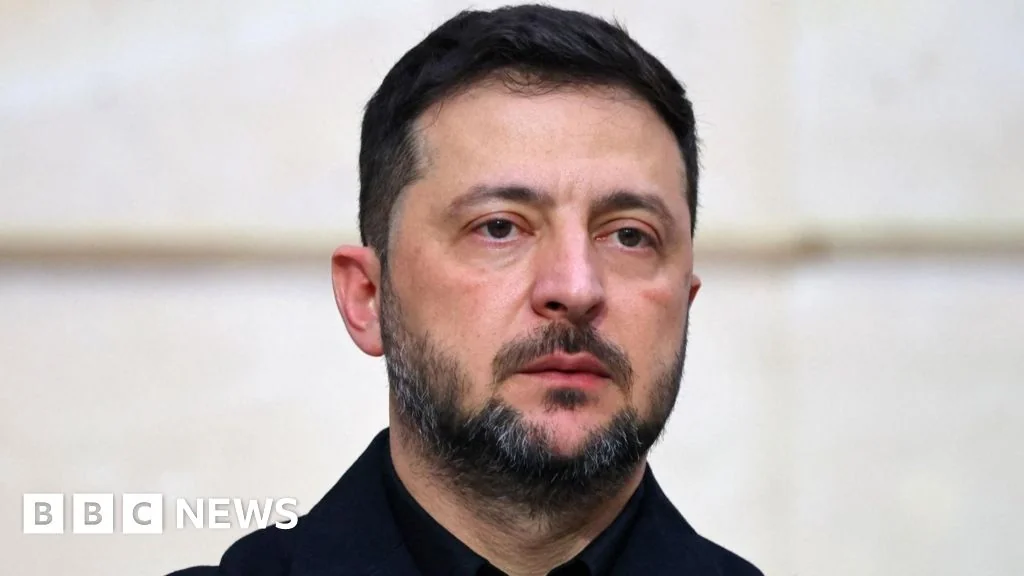
- Ukrainian President Volodymyr Zelensky is visiting Turkey to “intensify” peace negotiations.
- No Russian representatives are expected at the meeting in Ankara.
- The visit comes as Ukraine continues to face domestic corruption scandals and intensifying Russian attacks.
- Russian Foreign Minister Sergei Lavrov has not changed conditions for a peace deal since 2024.
Ukraine’s Diplomatic Efforts in Ankara
Ukrainian President Volodymyr Zelensky is on a diplomatic mission to intensify peace negotiations with Turkey, as the two countries meet in Ankara. This visit follows recent high-level talks in Athens and Madrid, where Zelensky secured agreements on gas deals and fighter jets respectively.
According to Zelensky, “Bringing the end of the war closer with all our might is Ukraine’s top priority.” The Ukrainian president specifically emphasized efforts to resume prisoner exchanges during this meeting. It remains unclear if US special envoy Steve Witkoff will participate in these talks; his attendance had not been confirmed as of the scheduled time.
Uncertainty Surrounding Russian Participation
Turkey has historically maintained ties with both Kyiv and Moscow, hosting previous peace talks between the two factions. However, no Russian representatives are expected to join this meeting in Ankara, according to a statement from Kremlin spokesman Dmitry Peskov. The Russian president is open to conversations but has not indicated any concrete plans for Vladimir Putin to speak directly with either the Turkish side or Witkoff.
Domestic Crises and International Pressures
The visit comes amid ongoing domestic challenges facing Zelensky, including a major corruption scandal involving members of his inner circle. Two ministers have already resigned due to this issue, raising concerns about the broader impact on Ukraine’s governance. These internal struggles could complicate Zelensky’s efforts to secure international support.
Additionally, as the fourth anniversary of Russia’s full-scale invasion approaches in February 2025, Moscow and Kyiv remain fundamentally opposed on how to resolve the conflict.
Russian Foreign Minister Sergei Lavrov has not altered his conditions for a peace deal since they were laid out by President Putin in 2024. These demands include Ukraine renouncing any ambitions to join NATO and full withdrawal from Donetsk, Luhansk, Zaporizhzhia, and Kherson regions.
Stalled American Efforts
The United States has been attempting to bring a ceasefire between Russia and Ukraine closer but has faced challenges. High-level talks in the summer, including one with President Trump, have not led to significant progress. The US side became aware that Moscow had no intention of meeting several demands unacceptable to Kyiv, leading to the scrapping of plans for another summit.
Despite these setbacks, contact between US and Russian officials has continued under the radar, with Russia’s special envoy Kirill Dmitriev reportedly meeting with Witkoff in late October. These ongoing discussions underscore the complexity of achieving a lasting peace agreement.
Facing Intensifying Russian Attacks
Meanwhile, Ukraine continues to grapple with relentless Russian attacks as it prepares for another winter. Zelensky has vowed to overhaul the energy sector following a $100 million corruption scandal, highlighting the dual challenges of securing peace and addressing internal governance issues.
The diplomatic efforts in Ankara reflect Ukraine’s broader strategy to secure support from key allies while navigating domestic crises and Russian aggression. As the situation on the ground remains volatile, Zelensky’s visit underscores the ongoing commitment to pursuing a peaceful resolution to the conflict.