Key Highlights
- Pokrovsk, a Ukrainian city, is currently at the center of Russian military efforts.
- The loss of Pokrovsk could significantly impact Russian morale and provide propaganda value.
- The article draws parallels between the Battle of Hougoumont during the Napoleonic Wars and the current situation in Pokrovsk.
- Ukraine’s strategy is to make Russia pay dearly for every inch of ground, forcing attrition through prolonged resistance.
The Strategic Significance of Pokrovsk
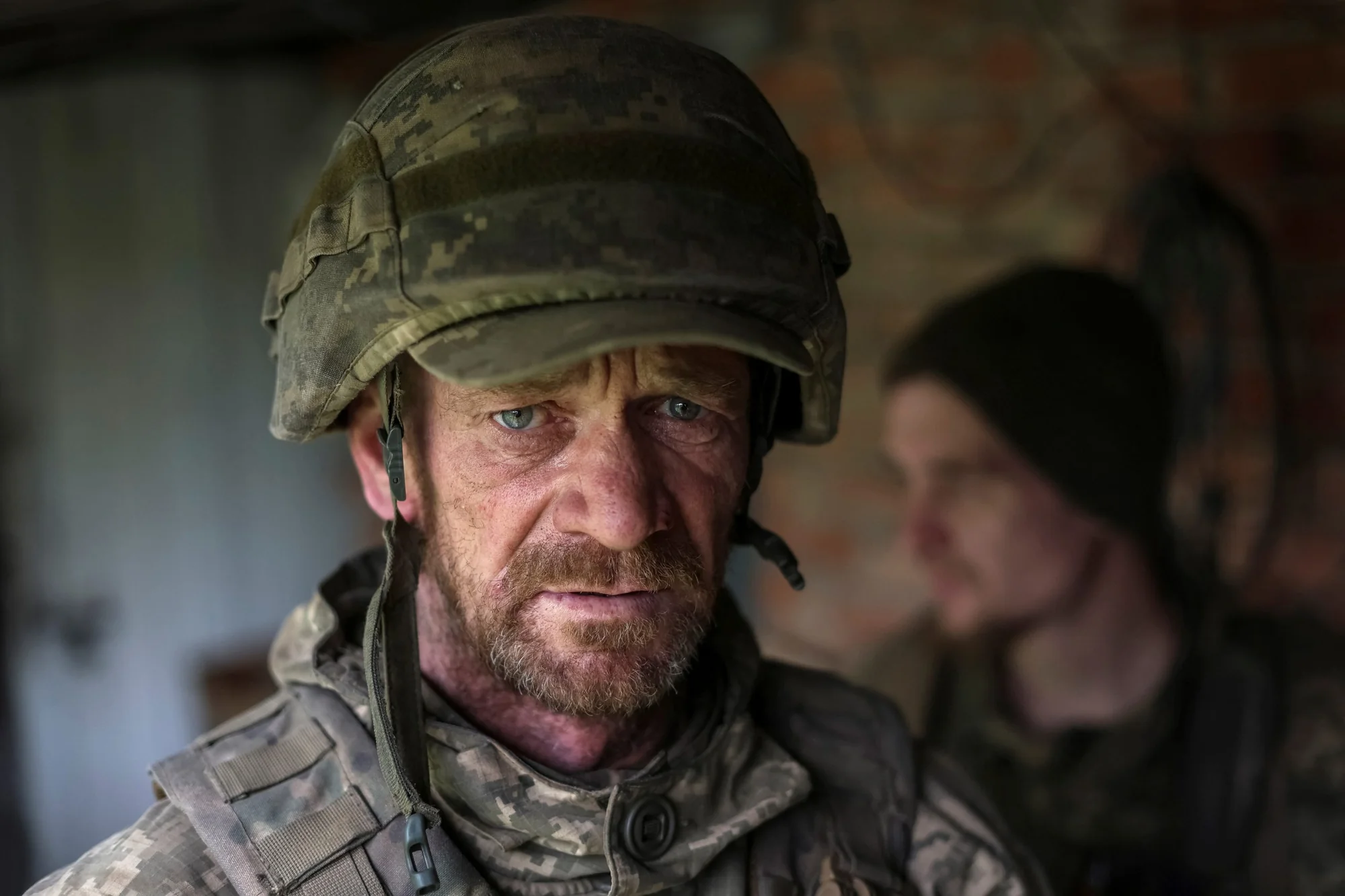
Pokrovsk, a western Donetsk settlement and railway junction with a pre-war population of around 60,000 people, has become the focal point in Ukraine’s defense strategy against Russian forces. The city, much like Hougoumont during the Battle of Waterloo in 1815, is a critical chokepoint that ties down significant numbers of Russian troops and disrupts their advance.
Historical Parallels
The comparison to Hougoumont underscores the strategic importance of Pokrovsk. In both cases, small yet well-defended positions played pivotal roles in larger battles by tying up large forces that were otherwise aimed at more significant objectives. For Napoleon’s troops, Hougoumont was a bottleneck that delayed their advance and eventually contributed to the Allied victory. Similarly, Ukrainian defenders in Pokrovsk are forcing Russian forces into prolonged engagements that bleed them of resources.
Psychological Warfare
The loss of Pokrovsk would have significant psychological impacts on both Russian and international audiences. For Russia, it could lead to a propaganda triumph, allowing them to claim momentum and progress in the conflict. However, for Ukraine, every day that passes without a breakthrough represents an opportunity to wear down Russian forces through attrition.
“The success of the battle turned upon the closing of the gates at Hougoumont,” said the Duke of Wellington.
This quote captures the essence of why Pokrovsk matters so much to both sides today. The city is not just a place; it’s a symbol of resistance and defiance that Ukraine is leveraging to its advantage.
Strategic Defense
The defense of Pokrovsk is part of a broader strategy employed by Ukrainian forces: making Russia pay dearly for every inch of ground. This approach is reminiscent of the sieges in Mariupol and Bakhmut, where the goal was not merely to hold territory but to inflict significant losses on Russian forces.
Ukrainian commanders estimate that around 110,000 Russian troops are concentrated toward Pokrovsk. Despite this overwhelming force, Ukrainian resistance has slowed Russian advances significantly. The key is in turning Russian momentum into a liability through relentless defense and attrition tactics.
The Cost of Attrition
For Russia, the battle for Pokrovsk is about more than just winning territory; it’s a fight to maintain public morale and international perception. Every day that passes without a decisive victory represents another challenge to Putin’s narrative and strategic objectives. The Russian invasion has already faced numerous setbacks, including economic sanctions and diplomatic isolation.
“If Russia gets in, it will inherit rubble and flat open ground, providing a perfect killing field for any defenders taking up new positions,” explains Shaun Pinner, a British-born author who served with Ukraine’s Armed Forces. “That’s not a springboard; it’s a trap.”
The Broader Implications
The battle for Pokrovsk is part of a larger narrative in the ongoing conflict between Russia and Ukraine. It highlights the strategic importance of small but critical positions that can turn the tide of a war through attrition. The Ukrainian strategy is not about conquering territory; it’s about surviving and delaying Russian objectives long enough to wear down their forces.
As the fighting continues, both sides will be watching carefully for any sign of breakthrough or vulnerability.
For Ukraine, every day that passes without a decisive defeat is a victory in its own right. For Russia, the pressure is on to demonstrate progress before winter sets in and locks the frontlines into place.
In the end, the battle for Pokrovsk is not just about winning ground; it’s about maintaining momentum, sustaining morale, and ultimately, forcing Russia to face the reality of its own limitations. The war will continue to unfold, but for now, every inch of defense in Pokrovsk matters more than ever.