Key Highlights
- Valve introduced a new patch to the popular game Counter-Strike 2 that significantly impacts its cosmetics trading.
- This change involves players trading in specific items for higher-value knives and gloves, altering the market dynamics.
- The move is aimed at potentially shifting away from loot boxes towards more predictable item acquisition methods.
- Valve could benefit financially by encouraging trades on their platform rather than external markets.
A Paradigm Shift in Counter-Strike 2’s Cosmetics Market
In a recent development that has sent shockwaves through the gaming community, Valve, the creators of Counter-Strike: Global Offensive (CS:GO), introduced a new patch to their latest title, Counter-Strike 2. This update has not only brought back a popular mode but also drastically altered the market for in-game cosmetics, particularly skins and other cosmetic items.
The Mechanics of the New System
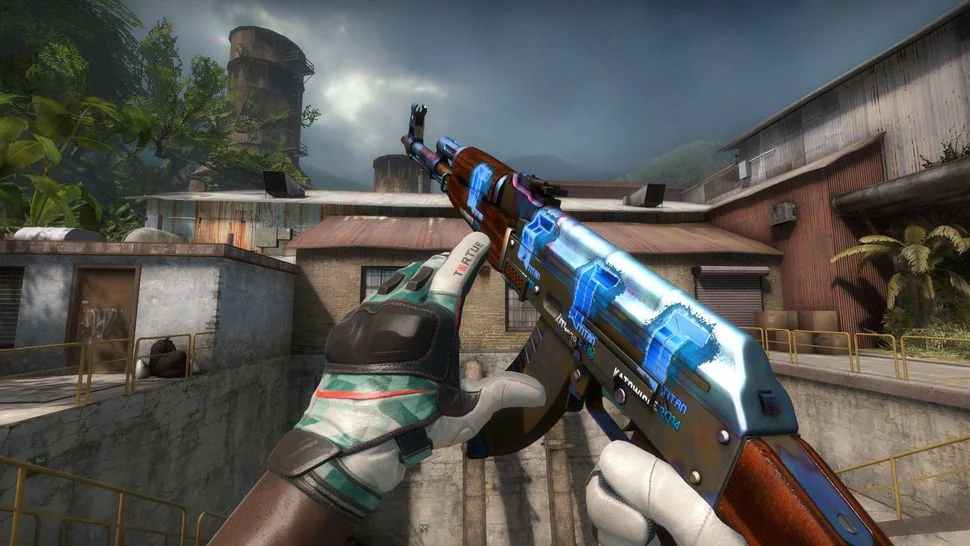
According to the patch notes, players can now trade five StatTrak Covert items, which are relatively rare but not traditionally among the most valuable, for a StatTrak Knife. Similarly, by trading in five regular Covert items, one can obtain either a knife or gloves. This change offers players a guaranteed pathway to acquire some of the rarer cosmetic items within the game.
The immediate impact has been significant.
While the value of most items that can be traded up has increased, the prices of knives and gloves have plummeted, with some losing up to 70% of their market value in just a day. This shift highlights how Valve’s strategic move could fundamentally alter the way players approach trading within the game.
Potential Motivations Behind the Change
The decision by Valve comes as no small surprise, given that the company can make substantial profits from in-game sales through its marketplace system. However, there are several reasons why this move might be beneficial for Valve in the long term:
- Economic Shift: By reducing the value of high-end items like knives and gloves, Valve may be incentivizing players to trade within their own ecosystem rather than on external platforms. This strategy ensures that Valve captures a larger share of transaction fees.
- Regulatory Compliance: As loot boxes face increasing scrutiny worldwide, this new system could represent an attempt by Valve to move away from controversial randomized item acquisition methods towards more transparent and predictable trading options.
Furthermore, the introduction of a new type of case in Counter-Strike 2 earlier this year that allows players to see inside before purchasing may be seen as part of a broader strategy to reduce reliance on loot box models. This move signals Valve’s willingness to adapt to changing market dynamics and regulatory pressures.
Future Implications for the Gaming Industry
The implications of this change extend beyond just Counter-Strike 2. As gaming continues to grow as an industry, issues related to in-game economies and player engagement remain critical. Valve’s actions could set a precedent for how other major games handle their cosmetics markets.
Experts in the gaming industry suggest that such changes could lead to more stable and transparent trading environments, potentially reducing player frustration with unpredictable loot box outcomes.
However, it also raises questions about the long-term sustainability of free-to-play models if they become too predictable or lack excitement for hardcore players.
In conclusion, Valve’s recent update to Counter-Strike 2 represents a significant shift in how cosmetics are managed within the game. While this move may disrupt current market structures, it could pave the way for more balanced and regulated trading practices that benefit both developers and players alike.