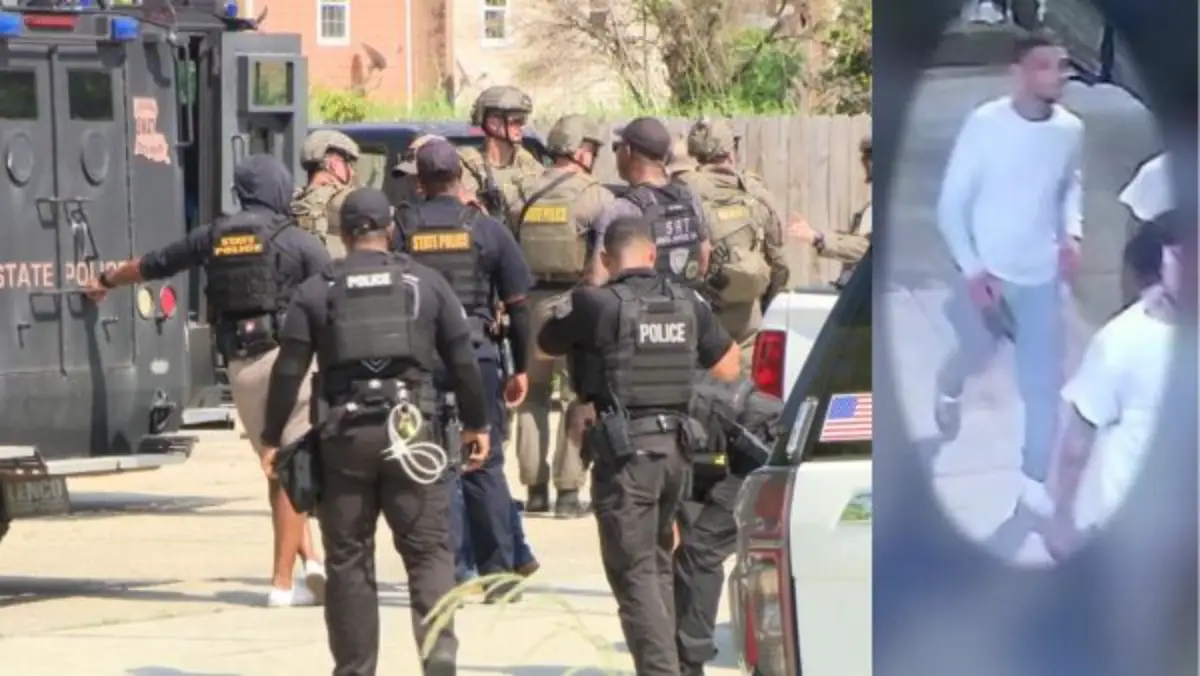
U.S. Marshals capture Derrick Groves in an Atlanta home’s crawl space
Why This Story Matters Right Now
The headline—U.S. Marshals: Derrick Groves captured in basement crawl space of Atlanta home—is more than a dramatic arrest. It’s a real-world reminder of how homeowner safety, insurance exposure, and community risk management intersect.
From mortgage lenders keeping an eye on neighborhood risk to insurers assessing property vulnerabilities, this event offers lessons for families, landlords, and local businesses across the U.S.
This guide breaks down what reportedly happened, why it matters for home safety and financial protection, and how you can harden your home’s defenses while keeping premiums competitive.
Quick Summary
- Event: U.S. Marshals captured a fugitive in an Atlanta home’s basement crawl space.
- Why it matters: Uninvited occupants raise liability, insurance, and security risks for homeowners, landlords, and tenants.
- Finance angle: Property incidents can influence insurance premiums, deductibles, and even neighborhood property values over time.
- Action steps: Harden entries, add smart monitoring, coordinate with HOA/landlord, and document everything for insurance.
What We Know: The Incident in Focus
The central detail—U.S. Marshals: Derrick Groves captured in basement crawl space of Atlanta home—highlights a classic challenge in fugitive apprehensions: suspects often seek concealment in tight, low-visibility spaces like crawl spaces, attics, or utility voids. These areas are easy to miss during a casual walkthrough and can be exploited if a home’s perimeters aren’t secured.
Key takeaways:
- Crawl spaces and semi-finished basements are prime hiding locations.
- Secondary egress points (vent grilles, sub-floor hatches, side yard access) can be overlooked during routine security checks.
- Multi-agency coordination (local police + U.S. Marshals Service) is common in urban and suburban captures.
Homeowner & Landlord Risks You Shouldn’t Ignore
If a property becomes the site of a law-enforcement action—like U.S. Marshals: Derrick Groves captured in basement crawl space of Atlanta home—owners may face:
- Liability Exposure
- Injuries on the property (even to trespassers in some limited scenarios) can trigger legal questions.
- Document the scene and immediately notify your insurer if any damage occurs.
- Property Damage & Repairs
- Forced entries, damaged doors/locks, or broken vents may require quick remediation.
- Keep clear photo evidence and contractor estimates for claims.
- Insurance Implications
- Repeated incidents, inadequate locks, or poor lighting can be flagged as risk factors.
- Upgrading deadbolts, cameras, motion lights, and reinforced frames can help justify lower premiums over time.
- Tenant Relations (for Landlords)
- Provide a safety communication and confirm functioning detectors, locks, and lighting.
- Update leases with security expectations and reporting protocols.
Finance Angle: How Incidents Can Affect Insurance & Value
Even one high-profile event—like U.S. Marshals: Derrick Groves captured in basement crawl space of Atlanta home—can trigger short-term perception risks. While a single incident rarely shifts an entire neighborhood’s valuation, clusters of events may lead to:
- Premium Pressure: Insurers scrutinize loss history and security posture.
- Deductible Adjustments: Higher risk sometimes means higher out-of-pocket thresholds.
- Mitigation Credits: Many carriers offer discounts for monitored alarms, UL-rated locks, and video verification.
- Perception Effects: Real-estate comps can be sensitive to perceived safety; visible security upgrades and well-kept exteriors help offset concerns.
Security Checklist: Make Basement & Crawl Spaces “Hard Targets”
When an arrest like U.S. Marshals: Derrick Groves captured in basement crawl space of Atlanta home hits the news, use it as a prompt to strengthen your property. Start here:
Perimeter & Entry
- Reinforce deadbolts (ANSI Grade 1), strike plates, and door frames.
- Install keyed or smart locks on basement doors.
- Add tamper-resistant screws to exterior vent covers and crawl-space doors.
Visibility & Monitoring
- Fit motion-activated lights (front, side, rear).
- Use PoE or battery cameras with night vision and cloud backups.
- Create privacy zones in camera settings to comply with local laws.
Crawl Space Hardening
- Replace flimsy wooden hatches with metal or reinforced composite.
- Install non-removable hinge pins and locking hasps.
- Add contact sensors to crawl-space access points; set alerts to your phone.
Documentation & Insurance
- Photograph upgrades and store receipts.
- Ask your insurer about device-based discounts (monitored alarm, leak sensors, video).
- Revisit liability coverage and confirm loss-of-rent riders if you’re a landlord.
“Defense in Depth” for Families, Tenants & Small Businesses
The phrase U.S. Marshals: Derrick Groves captured in basement crawl space of Atlanta home underscores the value of layering protections:
- Physical: Strong locks, reinforced doors, window security film, and pin locks for sliders.
- Digital: Smart cameras, two-factor authentication on accounts, privacy controls.
- Procedural: Regular nightly lock checks, neighborhood watch, and visitor verification.
- Legal/Financial: Clear lease clauses, updated renter’s insurance requirements, and background checks per law.
Mini “ROI” Table: Typical Security Upgrades & Benefits
| Upgrade | Approx. Cost (Range) | What It Helps Prevent | Potential Financial Upside |
|---|---|---|---|
| Grade-1 deadbolts + strike plates | $80–$200 per door | Forced entry | May qualify for minor premium credits; reduces break-in risk |
| Motion lights (front/side/rear) | $60–$250 total | Nighttime concealment | Deterrence; improves listing “curb appeal” |
| Smart video doorbell | $80–$300 | Unverified visitors | Evidence for claims; possible insurer discount |
| Basement/crawl-space hardening | $120–$500 | Hidden access points | Lowers liability risk; supports underwriting confidence |
| Monitored alarm system | $20–$45/mo + setup | After-hours entry | Often eligible for insurance discounts |
(Costs are illustrative and vary by brand, home size, and installer.)
Neighborhood Playbook: Community-Level Safeguards
When headlines read U.S. Marshals: Derrick Groves captured in basement crawl space of Atlanta home, neighbors ask: “What can we do together?”
- HOA / Neighborhood Watch: Coordinate lighting standards, reporting channels, and a shared camera-coverage map (respect privacy).
- Property Managers & Landlords: Align on screening policies, maintenance SLAs, and vacancy checks to prevent unauthorized occupancy.
- Local Businesses: Improve back-lot lighting, secure dumpsters (no makeshift hiding spots), and maintain clean sightlines.
Know the Signs: Red Flags Around Crawl Spaces
- Loose or missing vent grilles
- Fresh tool marks on hasps or hinges
- Disturbed soil or debris near access points
- Unexplained noises under floorboards
- Flashlights or phone light seen briefly around foundation lines after dark
If you notice these, avoid confrontation. Call local authorities and, when appropriate, notify your HOA/landlord.
Action Plan if Your Property Is Involved
If anything similar to U.S. Marshals: Derrick Groves captured in basement crawl space of Atlanta home occurs at or near your property:
- Cooperate with authorities; keep a calm, factual tone.
- Document damage (photos/videos) after the scene is cleared.
- Notify your insurer promptly; keep claim numbers and adjuster contacts.
- Secure and repair entries and crawl-space doors the same day.
- Communicate with tenants (if applicable) and schedule a safety walkthrough.
- Review your coverage—liability limits, deductibles, riders.
- Install or upgrade monitoring devices; submit proof for potential premium credits.
FAQs
Q1. Does an incident like this raise my home insurance premium?
A. Not automatically. Insurers look at claims history, local risk patterns, and your mitigation measures. Proactive upgrades (locks, lighting, monitored alarms) can counterbalance risk and sometimes earn small discounts.
Q2. Should I add coverage after seeing headlines like “U.S. Marshals: Derrick Groves captured in basement crawl space of Atlanta home”?
A. Consider reviewing liability limits, medical payments, and (for landlords) loss-of-rent coverage. Discuss endorsements for high-value items and ensure replacement-cost (not actual cash value) on the structure if available.
Q3. What are the best upgrades for crawl-space security?
A. Reinforced hatches, non-removable hinge pins, tamper-resistant screws, and contact sensors tied to your alarm app. Pair with motion lights and cameras covering side/rear access points.
Q4. As a landlord, how do I communicate after an incident nearby?
A. Send a brief safety notice, confirm locks and lighting, invite tenants to request deadbolt checks, and share the non-emergency police line for suspicious activity.
Q5. Can a single high-profile arrest affect property values?
A. One incident rarely changes valuations by itself. Consistent upkeep, visible security improvements, and engaged neighborhood watch help maintain buyer confidence.
Q6. How do I protect my finances beyond the home?
A. Use credit monitoring, secure online accounts with 2FA, and educate family members about phishing. Physical security plus identity-theft hygiene is the modern one-two punch.
Editorial Note on Responsible Reporting
Our focus is public safety and practical guidance. The phrase U.S. Marshals: Derrick Groves captured in basement crawl space of Atlanta home is used here to provide context for home security, insurance preparedness, and community risk reduction. Always rely on official statements for confirmed details, and avoid speculation.
Conclusion: Turn Headlines into a Safer, Smarter Home
Stories like U.S. Marshals: Derrick Groves captured in basement crawl space of Atlanta home can feel unsettling, but they also offer a clear checklist for protecting your family and finances. Reinforce entries, add smart monitoring, keep meticulous documentation, and stay engaged with your neighborhood network. Those steps don’t just improve safety—they can strengthen your position with insurers, lenders, and potential buyers.