Key Highlights
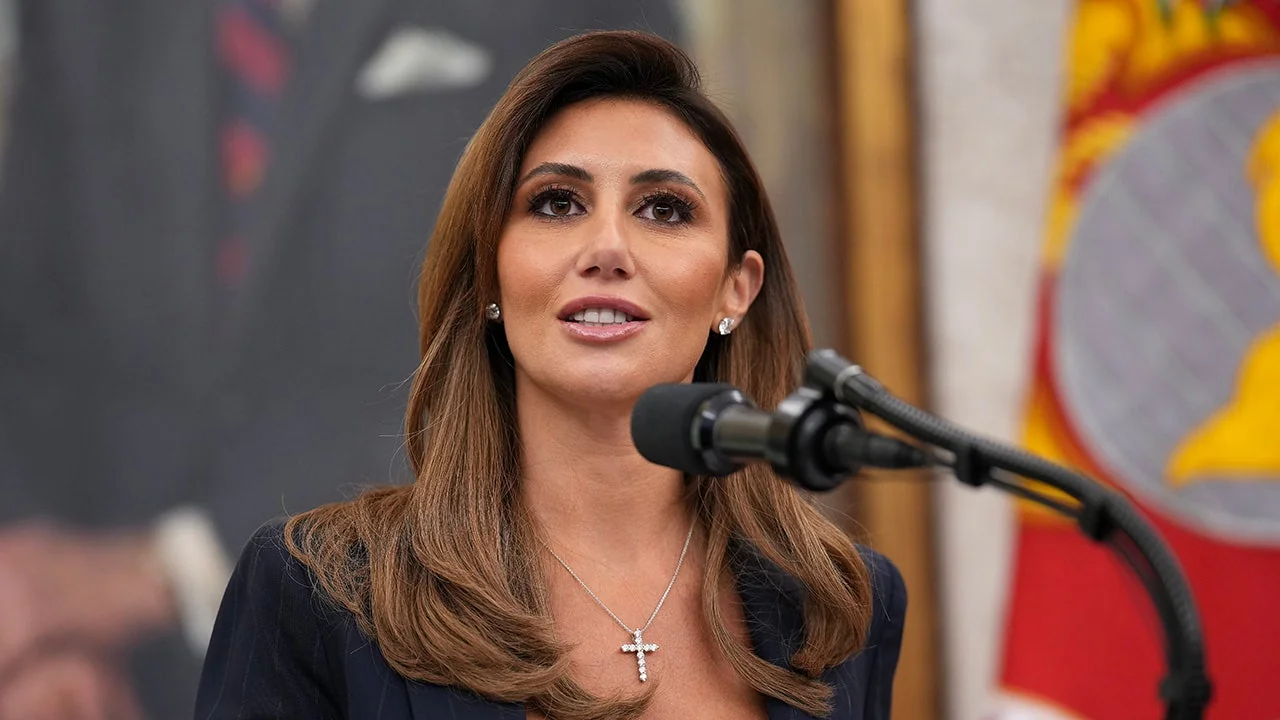
- The U.S. Court of Appeals for the Third Circuit ruled that Alina Habba is unlawfully serving as top federal prosecutor in New Jersey.
- This decision comes amid President Donald Trump’s efforts to maintain control over preferred nominees in blue states.
- Habba, a Trump loyalist who previously served as his personal defense lawyer, faces challenges to her appointment.
- The ruling could impact key prosecutions and the ongoing legal battles surrounding Trump’s appointments.
Alina Habba’s Appointment Unlawful, Court Rules
The U.S. Court of Appeals for the Third Circuit has ruled that Alina Habba is unlawfully serving as the top federal prosecutor in New Jersey, delivering a setback to President Donald Trump’s efforts to maintain control over his preferred nominees in blue states.
Background and Context
The decision stems from an ongoing legal battle over how President Trump and Attorney General Pam Bondi reinstalled Habba as U.S. attorney after her initial appointment expired. The case highlights the complex legal challenges faced by Trump’s appointees, particularly in states with a history of Democratic opposition.
Key Legal Challenges
The appellate court found that lower courts were correct to disqualify Habba on Monday. A three-judge panel for the 3rd Circuit heard arguments on her appointment in October and questioned the Department of Justice’s claims regarding Bondi’s authority to fill the vacancy.
Henry Whitaker, a DOJ lawyer representing Trump, argued that the administration simply took advantage of “overlapping mechanisms” allowed by Congress. However, judges expressed skepticism about this theory, with one even suggesting it might have constitutional implications.
Implications for Future Appointments
This ruling could have significant ramifications not only for Habba but also for other Trump nominees facing similar challenges. Lindsey Halligan and Bill Essayli, temporary U.S. attorneys in Virginia and California respectively, are among those currently navigating high-stakes court challenges to their appointments.
Continued Legal Battles
The Trump administration could seek a full panel of 3rd Circuit judges to reconsider the decision or turn to the Supreme Court for intervention. The case has drawn attention due to its unusual nature and potential constitutional implications, with veteran lawyer Abbe Lowell representing defendants contesting Habba’s appointment.
This is part of a broader struggle between Trump’s nominees and the Senate’s blue slip tradition, which requires home state senators to approve U.S. attorney and district judge nominees. New Jersey Democratic Senators Cory Booker and Andy Kim did not approve of Habba through this process.
Expert Analysis
The case reflects ongoing tensions within the Justice Department and highlights the challenges faced by Trump’s appointees in navigating legal obstacles set up by opposing lawmakers. This ruling could impact key prosecutions and set a precedent for future appointments, particularly in politically divided states.
The decision underscores the complex interplay between executive power, judicial review, and legislative oversight in the context of U.S. federal appointments.