Key Highlights
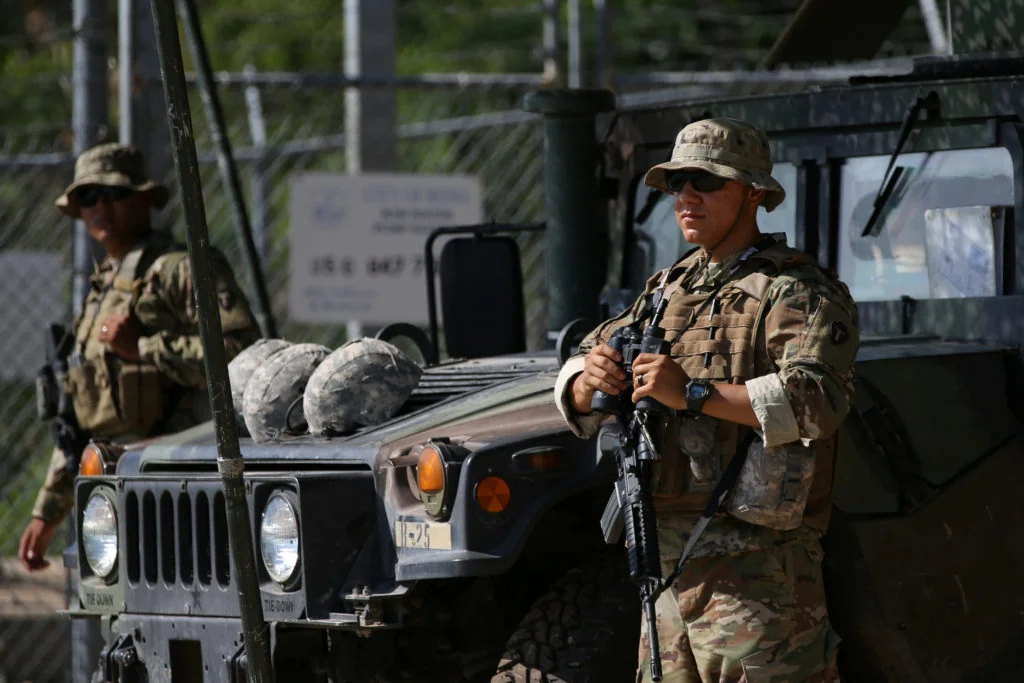
- The Ninth Circuit Court of Appeals lifted a temporary restraining order blocking the deployment of the state’s National Guard to Portland, Oregon.
- Dan Rayfield, the Oregon attorney general, expressed concern that this decision would give Trump “unilateral power” to deploy troops with little justification.
- The court’s ruling was split, with a Clinton-appointed judge dissenting and urging the full appeals court to act swiftly.
- A Pew Research Center report found that more Americans now believe religion is gaining influence in society and view this positively.
Trumponomics and the Portland National Guard Deployment
The Ninth Circuit Court of Appeals’ decision to allow Donald Trump to deploy federal troops to Portland, Oregon, has set off a wave of debate over executive authority and civil liberties. The court’s ruling, which lifted a temporary restraining order blocking the state’s National Guard from being federalized, highlights the complexities in balancing public safety with constitutional rights.
The decision was split; Susan Graber, a Clinton-appointed judge, dissented, emphasizing concerns about the legality of the deployment and its potential to undermine core principles. Graber’s dissent underscores the tension between Trump’s executive actions and judicial oversight, as reflected in her statement: “The majority’s order abdicates our judicial responsibility, permitting the President to invoke emergency authority in a situation far divorced from an enumerated emergency.”
Religion’s Growing Influence in American Society
A recent report by the Pew Research Center revealed that Americans’ perception of religion is changing. The findings indicate a shift towards viewing religious influence as gaining ground, with 31% of adults now believing this to be true – up from just 18% a year earlier. This trend is not confined to one party or demographic, with both Republicans and Democrats expressing more positive views on the role of religion in public life.
According to Pew’s survey, nearly 60% of Americans now see religion as having a positive influence, either because they view its rising power as beneficial or feel that its decline is undesirable. This shift suggests a broader cultural change in America, one that may be influenced by the Trump administration’s emphasis on conservative Christian values.
Political and Legal Consequences
The court’s decision to allow federal troops in Portland has raised significant questions about executive power and judicial oversight. Dan Rayfield, Oregon’s attorney general, expressed concern that this ruling could give “unilateral power” to Trump to deploy soldiers without justification. This sentiment aligns with Graber’s dissent, which emphasizes the need for swift action from the full appeals court to vacate the majority’s order.
Graber’s background as a former law school classmate of Bill and Hillary Clinton adds an interesting political dimension to the case.
Her dissent reflects a broader debate over the balance between executive authority and judicial checks, particularly in times of national crisis or perceived emergency.
The growing influence of religion is also reflected in other areas of public discourse, such as trade deals and international relations. For instance, during his meeting with Australian Prime Minister Anthony Albanese at the White House, Trump discussed a rare earth minerals agreement that opens up Australia’s vast mineral resources to supply critical materials to the U.S.
Despite these developments, the political landscape remains complex, with ongoing debates over government shutdowns, congressional recesses, and international conflicts. The recent recall of Colombia’s ambassador to Washington by President Gustavo Petro underscores the escalating tensions between countries and the impact on diplomatic relations.
Conclusion
The Ninth Circuit Court’s decision to allow federal troops in Portland highlights ongoing debates over executive authority and civil liberties. As the influence of religion continues to grow, it shapes public opinion and policy across various domains. The case underscores the importance of judicial oversight and the need for a balanced approach in addressing national crises.