Key Highlights
- The Trump administration is ending a major student loan forgiveness plan initiated by the Biden administration.
- The Department of Education proposed a joint settlement with Missouri to terminate the SAVE program, impacting over 7 million borrowers.
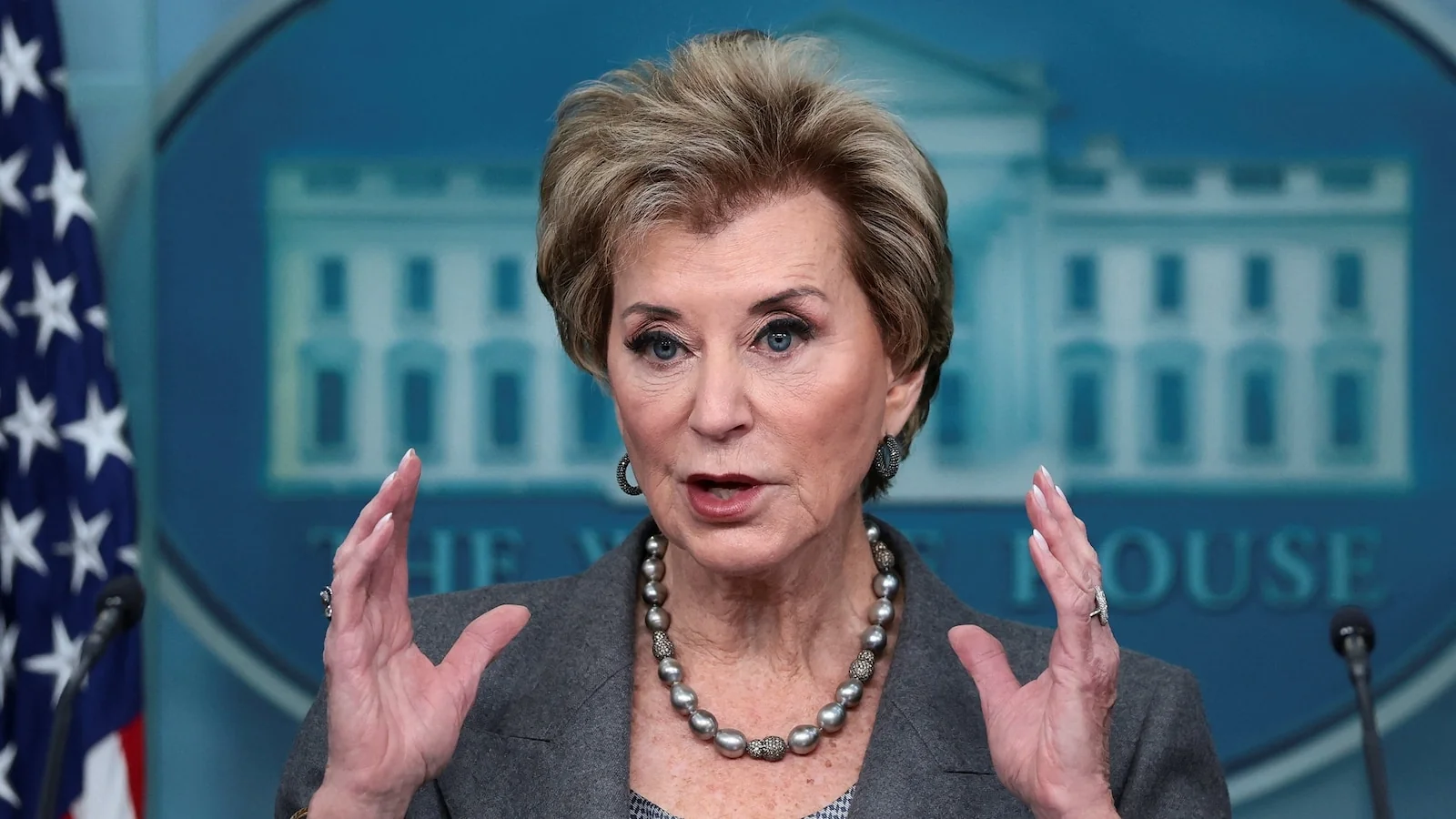
- Education Secretary Linda McMahon emphasized that taxpayers should not be responsible for debts they did not incur.
- Borrowers will have limited time to find new repayment plans through Federal Student Aid (FSA) support.
The End of the SAVE Plan: A Shift in Education Policy
Breaking news out of Washington, D.C., reveals a significant shift in student loan policy as the Trump administration moves to terminate one of the most ambitious programs initiated by former President Joe Biden. The Department of Education has proposed a joint settlement with Missouri, officially ending the Saving on a Valuable Education (SAVE) plan, which had been home to over 7 million borrowers.
A Policy U-Turn
This development marks a major victory for the Trump administration in its ongoing efforts to dismantle key policies implemented by the Biden era. The SAVE program, which was hailed as one of the most affordable repayment plans ever, offered $0 payments for anyone making under $16 an hour and lowered monthly payments for millions of borrowers. It aimed to ease the burden on graduates facing student loan debt.
Legal Battles and Policy Shifts
The decision comes after several Republican-led states, including Missouri, sued the Biden administration over the SAVE program in 2024. A federal appeals court blocked the program, leading to this proposed settlement. Under Secretary of Education Nicholas Kent stated that the law is clear: “if you take out a loan, you must pay it back.” His statement was made as part of an announcement from Secretary of Education Linda McMahon’s department on Tuesday.
“The Biden Administration’s illegal SAVE Plan would have cost taxpayers, many of whom did not attend college or already repaid their student loans, more than $342 billion over ten years,” McMahon wrote in a post on X. “We won’t tolerate it.”
Impact and Reactions
The move is expected to impact the 7+ million borrowers enrolled in the SAVE plan, leading some advocates to worry about higher monthly payments and potential loss of progress toward loan forgiveness. Michele Zampini, associate vice president of federal policy & advocacy at The Institute for College Access & Success (TICAS), expressed concern: “The 7+ million borrowers enrolled in SAVE will face higher monthly loan payments — and may lose out on months of progress toward loan forgiveness.”
Deputy Executive Director and Managing Counsel Persis Yu echoed these concerns, stating that the move strips borrowers of the most affordable repayment plan. She added, “This settlement is pure capitulation–it goes much further than the suit or the 8th Circuit order requires.” Yu continued, “The real story here is the unrelenting, right-wing push to jack up costs on working people with student debt.”
The Future of Student Loan Repayment Plans
The news of the settlement comes as part of Trump’s broader domestic policy agenda. The One Big Beautiful Bill Act includes a provision to terminate all current student loan repayment plans for loans disbursed on or after July 1, 2026. Under this bill, the plans will be replaced with two separate repayment plans: a standard repayment plan and the Repayment Assistance Plan (RAP), which is set to launch in 2026.
For now, borrowers enrolled in the SAVE program have limited time to find new payment plans through FSA support. The department’s Loan Simulator tool will help estimate monthly payments, determine eligibility for various repayment plans, and select one that best fits their needs and goals.