Key Highlights
- Tax liability for student loan forgiveness will resume on January 1, 2026.
- The Repayment Assistance Plan (RAP) is set to launch by July 1, 2026, with higher monthly payments and longer repayment terms.
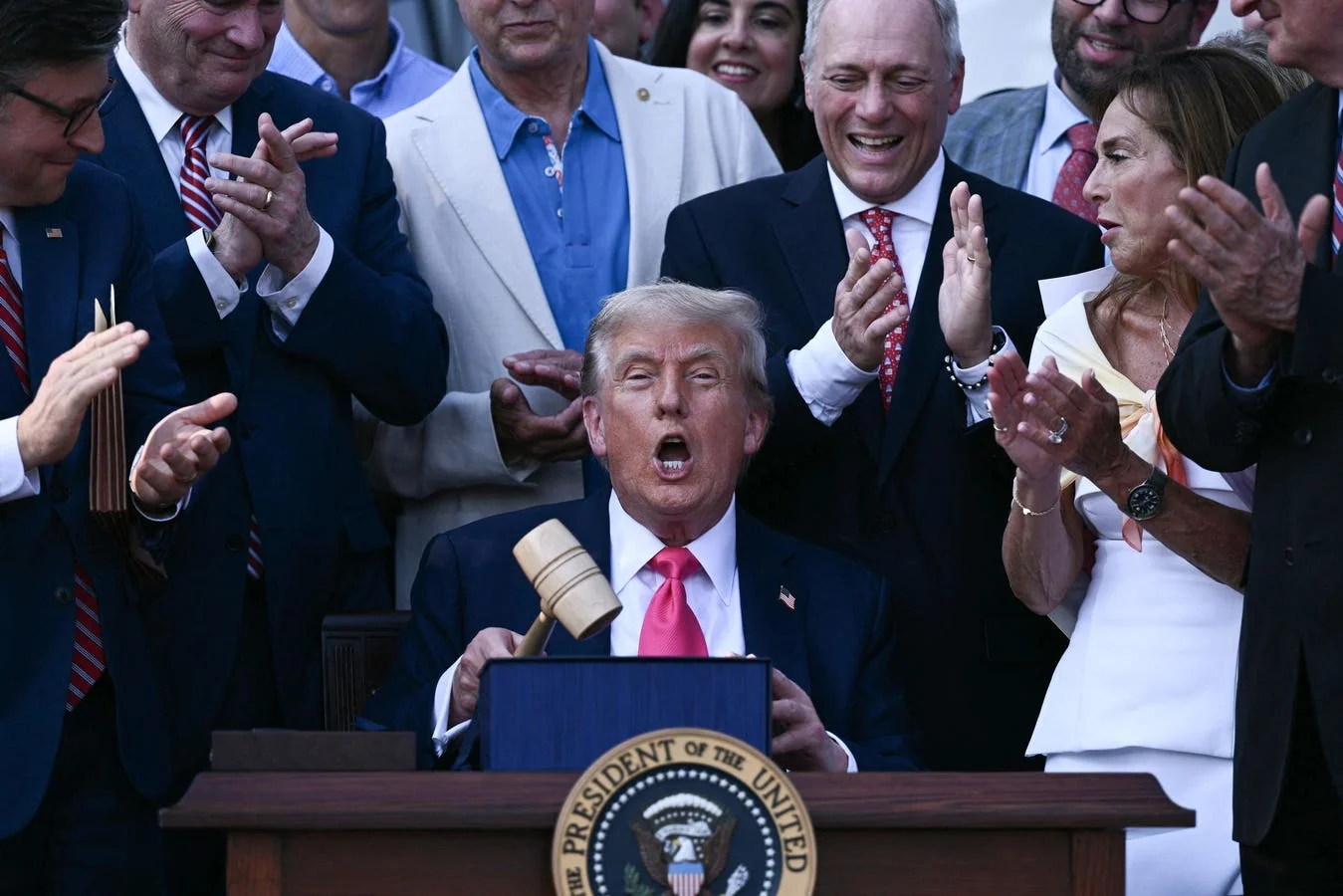
- New rules under the One Big, Beautiful Act could limit student loan forgiveness eligibility for certain organizations starting in 2026.
- Federal changes will significantly impact student loan programs over the next three years, affecting millions of borrowers.
Introduction to Major Changes in Student Loan Programs
The landscape of federal student loans is set for significant transformation over the coming years. Starting from the end of 2025 through 2028, a series of major changes will affect millions of borrowers, particularly concerning tax implications and repayment plans.
Tax Liability Resurgence
One critical change is that federal student loan forgiveness will no longer be tax-exempt for most borrowers starting in January 1, 2026. This means that those receiving such forgiveness will now have to report the forgiven amount as income for tax purposes.
The Repayment Assistance Plan (RAP)
By July 1, 2026, a new repayment plan called the Repayment Assistance Plan (RAP) is expected to launch. Unlike current income-driven plans like Income-Based Repayment (IBR), RAP could offer lower monthly payments but at the cost of requiring borrowers to remain in repayment for 30 years before qualifying for forgiveness—far longer than the 20- or 25-year terms of existing options.
Restrictions on Student Loan Forgiveness
The Trump administration is proposing new rules that could restrict student loan forgiveness under programs like Public Service Loan Forgiveness (PSLF). These regulations, expected to take effect by July 1, 2026, may deem certain nonprofit organizations ineligible for PSLF if they engage in activities with “substantial illegal purposes,” such as facilitating immigration violations or providing certain medical services.
Final Changes and Phased-Out Programs
In the final years of these changes, starting from July 1, 2028, several current plans will phase out. The SAVE, ICR, and PAYE plans are scheduled to end, forcing borrowers in those programs to switch to either IBR or RAP if they haven’t already done so. Failure to do so could result in being placed into the Standard plan, which might be unaffordable for many.
These changes underscore the importance of understanding and preparing for upcoming shifts in student loan repayment options. Borrowers are advised to stay informed about these key dates and take necessary actions to avoid jeopardizing their access to critical programs such as PSLF.
Conclusion
The next three years will see transformative changes in federal student loans, impacting millions of borrowers across the United States. These changes highlight the complex interplay between government policy, tax law, and financial aid for higher education. As these reforms take effect, it is crucial for borrowers to stay informed and proactive about their loan management strategies.