Key Highlights
- Tobey Maguire’s origin story is from the start to finish in Spider-Man (2002).
- Andrew Garfield struggled with web shooters and durability compared to Tom Holland.
- Tobey Maguire’s strength was unmatched, demonstrated by his fights against Doctor Octopus.
The Evolution of Spider-Man: A Generational Saga
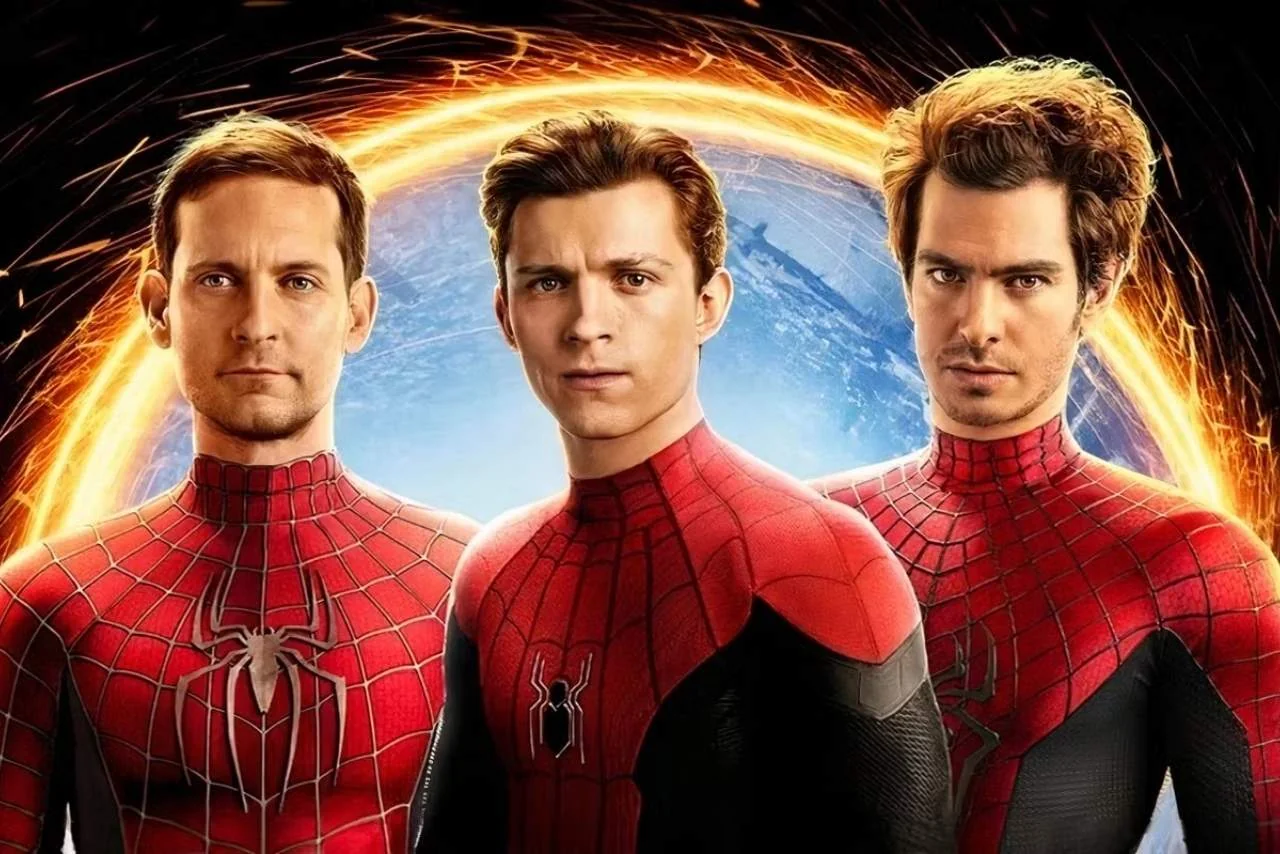
Spider-Man is one of the most beloved and iconic characters in the Marvel Universe. Over the years, three actors—Tobey Maguire, Andrew Garfield, and Tom Holland—have taken on the role of Peter Parker/Spider-Man, each bringing a unique perspective and energy to their performances.
Origin Stories: A Tale of Three Spideys
The origin story is a crucial element that sets each version apart. Tobey Maguire’s Spider-Man in Spider-Man (2002) provides an unbroken narrative, showcasing how Peter Parker was bitten by a genetically modified spider and subsequently developed his powers. This version also includes the iconic moment where Uncle Ben is killed during a robbery incident, leading to the profound lesson of “with great power comes great responsibility.”
In contrast, Andrew Garfield’s Amazing Spider-Man (2012) retells the same origin but with a different style.
Peter Parker gets bitten by an experimental spider at Oscorp and struggles to understand his new abilities before ultimately becoming a hero out of guilt after failing to save his Uncle Ben. This version adds a layer of self-made technology, as Andrew builds his web shooters from scratch.
Tom Holland’s Spider-Man: Homecoming (2017) introduces him directly into the Marvel Cinematic Universe without an original origin story. He was already a superhero by the time we meet him in Civil War (2016). It wasn’t until No Way Home that his version had Uncle Ben, delivering the famous line “with great power comes great responsibility” after Aunt May’s death.
Combat Skills: A Battle of Superiorities
In terms of combat skills, Tom Holland stands out with his advanced web technology. His Spider-Man has a tech-driven approach that allows him to use nanotechnology for his web launchers, ensuring he never runs out of webs. Andrew Garfield’s version is more self-reliant, using basic technology attached to his wrists, which can be destroyed if his equipment is damaged.
Meanwhile, Tobey Maguire’s Spider-Man has a more organic connection with his powers, having developed his web-shooting abilities naturally over time. However, this comes at the cost of energy depletion, as he must wait for his webs to regenerate after heavy use.
Spider Sense and Strength: The Ultimate Showdown
Tobey Maguire’s Spider-Man is known for his unmatched strength. In No Way Home, Tobey’s Peter Parker effortlessly outmatches Tom Holland, who struggled even with the Iron Spider suit. Additionally, Tobey’s version of Spider-Man holds back a sun and rescues MJ, showcasing his immense power.
Andrew Garfield’s Spider-Man excels in speed and durability.
In The Amazing Spider-Man 2 (2014), he outpaces the Lizard by reacting instantly to danger and demonstrates incredible agility in dodging attacks from Electro. His strength is also evident when he saves a child from a speeding car, holding it aloft with his webs.
Tom Holland’s Spider-Man stands as the epitome of intelligence and strategic combat skills. He survives Mysterio’s illusions solely through his spider sense and senses Norman Osborn’s presence without any prior indication. This version evolves over time, improving its spidey sense to a point where it can even detect heartbeats.
Conclusion
A Symbol That Changes with Every Generation
While each Spider-Man brings unique qualities and challenges, the overall narrative suggests that they all contribute equally to the character of Peter Parker. Tobey Maguire defined Spider-Man with his strength, Andrew Garfield redeemed him through his speed and durability, and Tom Holland evolved the role using advanced technology.
The conclusion is clear: Spider-Man is not just one hero but a symbol that changes with every generation. Each version represents different aspects of the character, reflecting the evolution of storytelling in cinema.