Key Highlights
- Sunday marks the shortest day of the year in the Northern Hemisphere.
- The solstice occurs between December 20 and 23 annually.
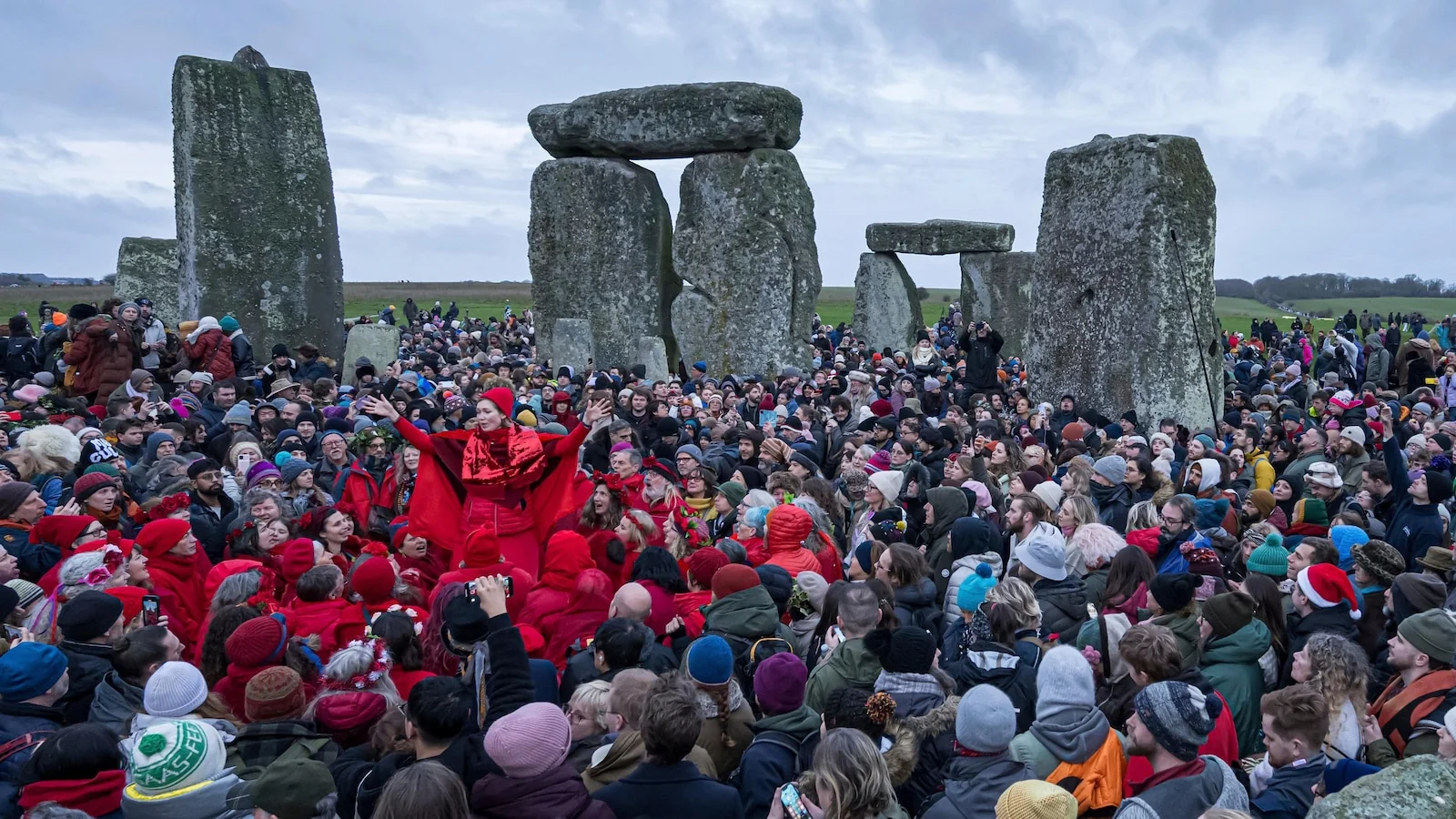
- Stonehenge was designed to align with the sun at solstices, marking significant historical importance.
- Astronomical winter begins on this date for the Northern Hemisphere.
The Shortest Day of the Year: Understanding the Winter Solstice
On Sunday, December 21, 2025, the Northern Hemisphere will experience its shortest day of the year. This marks the winter solstice, a significant astronomical event that signifies the start of winter. While it might seem like the gloomiest day, this moment is also a harbinger of brighter days ahead.
The Science Behind the Winter Solstice
The term “solstice” comes from Latin roots, where “sol” means sun and “stitium” can mean “pause” or “stop.” This event marks the end of the sun’s annual journey in the sky. On this day, the Earth is tilted furthest away from the sun at its northernmost point, leading to the shortest day and longest night.
The winter solstice typically falls between December 20 and 23. This year, it occurs on December 21, 2025. The opposite happens in the Southern Hemisphere, where this date marks the longest day of the year and the start of summer.
Historical Significance
Humans have celebrated solstices for eons, recognizing their importance in agricultural cycles and seasonal changes. Stonehenge, an ancient monument in England, is a prime example of this cultural significance. It was strategically aligned to mark the winter and summer solstices, showcasing how early civilizations understood and respected these celestial phenomena.
Earth’s Orbit and Seasons
The Earth orbits the sun at an angle, causing unequal distribution of sunlight throughout the year. At the northern hemisphere’s winter solstice, the upper half of the Earth is at its furthest point from the sun, leading to the shortest day and longest night. This pattern reverses during the summer solstice.
Equinoxes occur when both hemispheres receive equal amounts of sunlight.
These events happen around March 20 (spring equinox) and September 23 (autumnal equinox). They mark days where daylight and nighttime are nearly equal in length, though slight variations can occur depending on geographical location.
Meteorological Seasons
Meteorologists define seasons based on temperature cycles rather than the sun’s position. By their calendar, spring starts on March 1, summer on June 1, fall on September 1, and winter on December 1. This system provides a more practical way to discuss weather patterns throughout the year.
The solstice is not just an astronomical event but also a time of cultural significance.
People continue to celebrate it in various ways around the world, reflecting its enduring importance as a marker of seasonal change.
As we approach this winter solstice on December 21, 2025, remember that while it marks the shortest day, it is also a reminder that longer days are just around the corner. The cycle of nature continues, offering hope and renewal for all.