Key Highlights
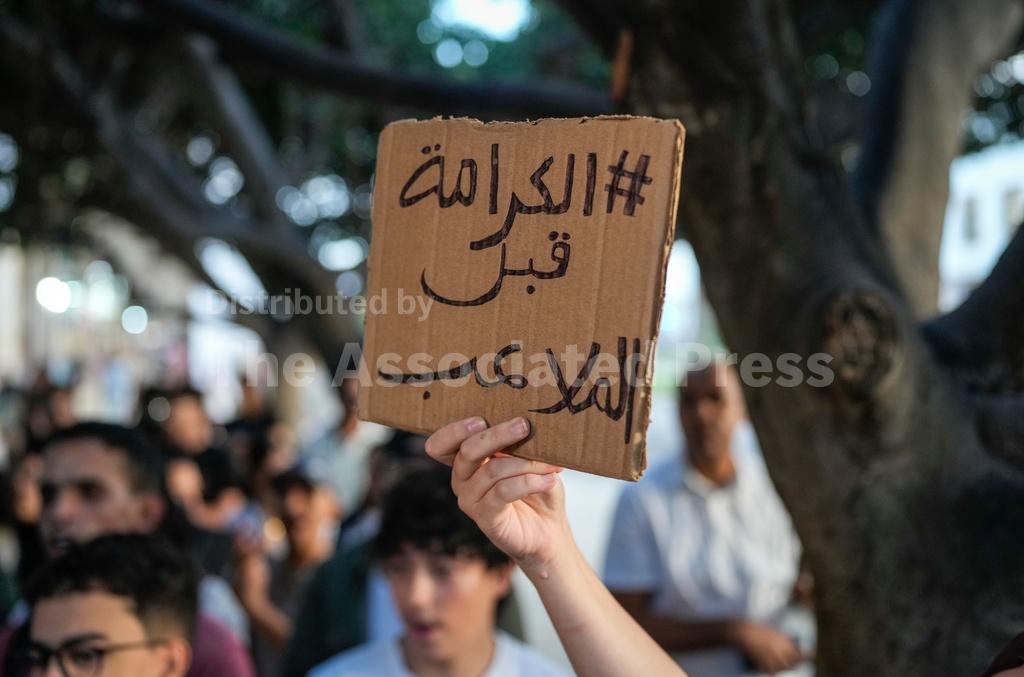
- Demonstrations against corruption and inequality have been ongoing in Morocco for weeks.
- The protests are led by a leaderless collective called Gen Z 212, named after Morocco’s dialing code.
- Protesters are calling for healthcare and education reforms amid government spending on World Cup infrastructure.
- Over half of Morocco’s population is under 35 years old, facing high unemployment rates despite economic development.
The Rise of Gen Z Activism in Morocco
Morocco has seen a resurgence of youth-led protests against corruption and inequality. These demonstrations are part of a broader trend sweeping the globe where young people are using digital platforms to organize and voice their concerns on the streets. In Morocco, these movements have gained momentum following the country’s preparation for the 2030 FIFA World Cup, highlighting stark contrasts between government spending priorities and the daily struggles faced by its citizens.
Gen Z 212: A Leaderless Collective
The protests are organized by a leaderless group known as Gen Z 212. This name reflects both the age of its participants, with “212” being Morocco’s country code, and their strategy for communication through digital platforms like Discord, popular among gamers and teenagers. The collective has garnered significant traction, with around 180,000 members who debate strategies on these platforms. Smaller spinoffs have also emerged, independently organizing demonstrations in various towns.
Protest Foci: Healthcare and Education
The core grievances of the protesters are centered around healthcare and education reform. They argue that while Morocco is spending billions on new stadiums for the World Cup, essential services such as hospitals and classrooms remain underfunded and understaffed. For instance, Morocco has only 7.7 medical professionals per 10,000 inhabitants in some regions, particularly in the south and east where protests have been most intense.
These issues are compounded by high unemployment rates among young Moroccans.
The country’s ambitious infrastructure projects have not translated into job opportunities for many, with over 36% of those aged 15-24 unemployed as of recent data from the non-partisan research network Afrobarometer. Additionally, more than half of Moroccans under 35 say they have considered emigrating due to lack of opportunity.
Government Response and Future Implications
The government’s response has been mixed. While some officials have called for dialogue with protesters, others have used force during demonstrations. Three people were killed in the early stages of protests, and many detained were found to be under 18 years old.
Despite these actions, the protests continue, reflecting a growing frustration among young Moroccans.
King Mohammed VI has addressed some of these concerns but has not directly engaged with Gen Z 212 or acknowledged their specific demands for reform. His defense that development can proceed alongside social programs is met with skepticism by many demonstrators who feel the government’s priorities are misplaced.
The future of these protests remains uncertain, but they highlight a broader issue faced by countries where rapid economic growth does not translate into widespread benefits for young people. As more nations experience similar youth-led uprisings, there may be lessons to learn about addressing inequality and ensuring that development benefits all citizens equally.