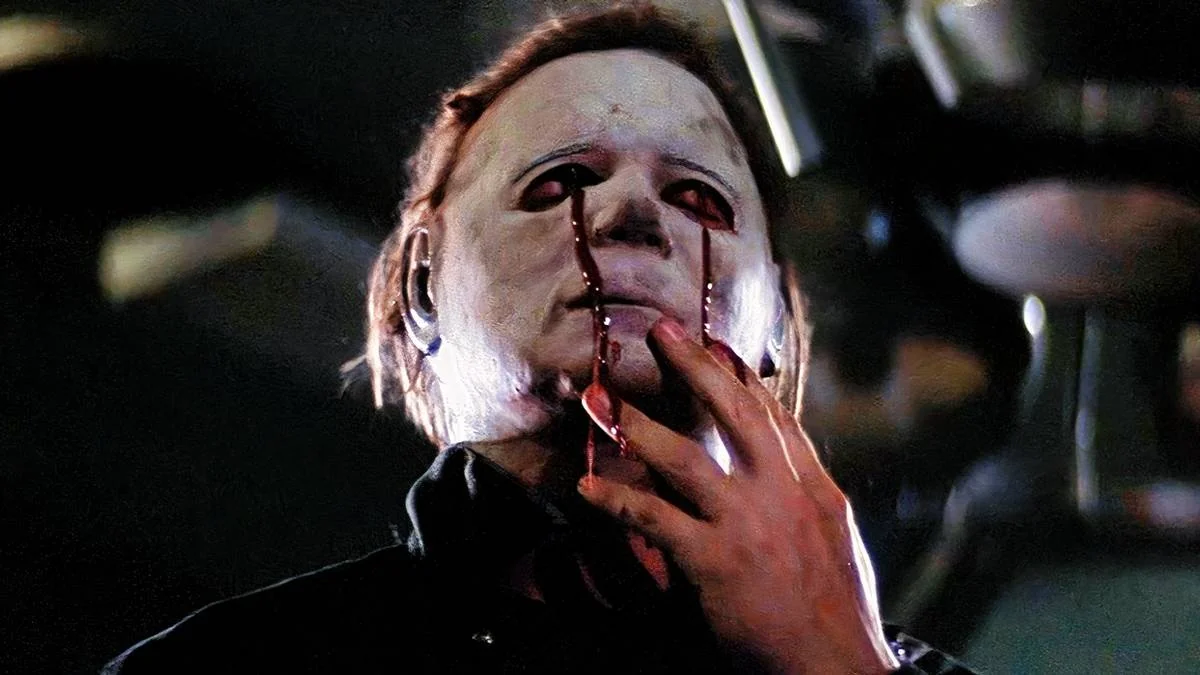
Key Highlights
- The most disturbing death in the Halloween franchise is from Halloween II, where 17-year-old Ben Tramer dies after being mistaken for Michael Myers.
- This death stands out as it’s the only kill not caused by Michael Myers or Corey Cunningham, and has no consequences.
- While Halloween II remains a strong sequel in the franchise, its inclusion of Ben Tramer’s death is seen as problematic.
- The death scene involves Tramer being run over and burned to death by a police car, which makes it particularly disturbing for viewers.
The Halloween Franchise’s Most Disturbing Death: A Closer Look at Ben Tramer’s Tragic Fate in Halloween II
Among the numerous and brutal kill scenes that populate the long-running Halloween franchise, one stands out as particularly disturbing. This death, which occurred in 1981’s Halloween II, is the only incident where Michael Myers does not directly cause a killing. Instead, it is the Haddonfield police who are responsible for the tragic fate of Ben Tramer.
Ben Tramer, a normal 17-year-old student out trick-or-treating in his costume, becomes the victim of a horrific mistake by Dr.
Loomis and Sheriff Brackett. Despite being shot multiple times by Dr. Loomis earlier, Michael Myers evades capture and continues his search for Laurie Strode. Meanwhile, Tramer’s life takes an unexpected turn when he is mistaken for the notorious masked killer.
The Mistaken Identity and Fatal Consequence
When Dr. Loomis and Sheriff Brackett spot Tramer on a street in Haddonfield, they immediately mistake him for Michael Myers due to his similar appearance. In their fear of confronting the elusive killer, they begin pursuing Tramer with a gun.
Tramer, understandably terrified, flees into the street, only to be struck by an approaching police car at high speed.
The impact sends Tramer crashing against a van and setting him ablaze in the process. The result is a horrifying scene where he burns slowly and painfully, ultimately leading to his death. This event not only highlights the tragic consequences of mistaken identity but also raises questions about the vigilante mentality prevalent in Haddonfield during this time.
Context within the Franchise Timeline
The inclusion of Ben Tramer’s death scene is particularly notable because it occurs outside the typical Michael Myers/Murderer narrative. Unlike other deaths attributed to Michael, which often have significant plot implications or consequences (such as his killing of Dr. Loomis), Tramer’s death has no impact on subsequent events in the original franchise timeline.
He is never mentioned again after being identified at the morgue and is even implied to be alive by 1988 in Halloween (2018).
This inconsistency has led many fans to question the logic of the scene, especially considering the otherwise well-crafted nature of the film. The death of Ben Tramer serves as a stark reminder of the franchise’s willingness to explore darker and more complex themes.
The Impact on the Sequel’s Legacy
While Halloween II remains one of the strongest sequels in the franchise, its inclusion of this disturbing scene has left a lasting impression. The film’s director, Rick Rosenthal, aimed to return to the original style of John Carpenter while maintaining its gritty and realistic tone. However, the death of Ben Tramer adds an element of gratuitous violence that some viewers find unsettling.
Despite these criticisms, Halloween II still garners praise for its effective use of atmosphere and character development.
The film introduces key plot elements such as Dr. Loomis’ obsession with Michael Myers and the revelation that Laurie Strode is his half-sister. These developments would later influence the direction of subsequent films, though not without their own controversies.
The legacy of Ben Tramer’s death continues to be a topic of discussion among Halloween fans and critics alike. It serves as a poignant reminder of the franchise’s willingness to push boundaries in its storytelling while also challenging the audience to consider the real-world implications of vigilante justice and mistaken identity.