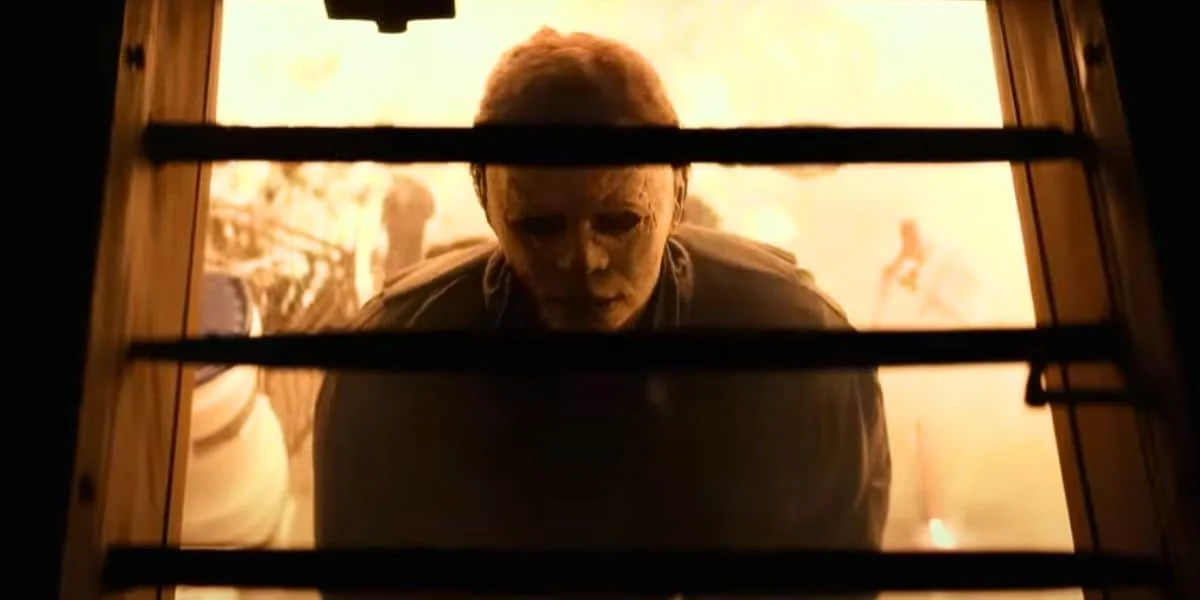
Key Highlights
- The Halloween franchise has produced 13 films since its inception in 1978.
- David Gordon Green’s 2018 reboot is considered one of the best entries in the series.
- Halloween (1978) by John Carpenter is widely regarded as a genre-defining classic.
- The franchise has seen various directors and stories, leading to mixed critical reception.
The Longevity of Horror’s Legendary Bogeyman
The Halloween franchise, which has been running for over four decades, stands as a testament to the enduring appeal of horror cinema. Since its debut in 1978 with Halloween (1978), directed by John Carpenter, the series has expanded into a complex tapestry of films, each contributing uniquely to the lore of Michael Myers.
The Modern Trilogy: Revitalizing the Bogeyman
David Gordon Green’s 2018 reboot Halloween (2018), which marked a fresh start for the franchise, received critical acclaim. By ignoring every sequel after 1978 and focusing on the original storyline, the film successfully revitalized the iconic character. The score by John Carpenter and the inclusion of Nick Castle as Michael Myers provided a nostalgic yet modern take.
The follow-up films, including Halloween Ends (2023), Halloween Kills (2021), and Halloween H20: 20 Years Later (1998), maintained varying levels of success. Each film introduced new elements while occasionally revisiting classic tropes, creating a diverse array of viewing experiences.
From Classics to Controversies
Halloween: Resurrection (1998), directed by Rick Rosenthal, stands out as one of the franchise’s most controversial entries. While it was praised for its action and humor, its inclusion in this list reflects how critical reception can vary widely within the series.
Halloween 4: The Return of Michael Myers (1988) and Halloween II (1981), both featuring Nick Castle as Michael Myers, are often cited for their ability to evoke nostalgia. However, their place in the canon is debated, with some viewers finding them less effective than their predecessors or successors.
The Future of Horror: A Legacy Continues
The Halloween franchise continues to influence contemporary horror films and series. Its enduring popularity suggests that the character of Michael Myers remains a compelling figure for future filmmakers. As new entries like David Gordon Green’s trilogy show, there is always room for reimagining the legend.
Industry experts note that while the franchise has faced criticism for its inconsistent quality and timeline inconsistencies, these do not detract from its overall impact on horror cinema. The series’ ability to reinvent itself without losing its core essence speaks to its enduring legacy in popular culture.
Conclusion
The Halloween franchise is a case study in the evolution of horror filmmaking, showcasing both the potential and pitfalls of long-running series. From its groundbreaking 1978 debut to its recent reboots, each entry contributes uniquely to the story of Michael Myers, cementing his place as one of cinema’s most iconic villains.