Key Highlights
- The Corporation for Public Broadcasting (CPB) is dissolving rather than face further political attacks.
- CPB lost federal funding last summer and faced constant political assaults.
- Patricia Harrison, CPB’s President and CEO, stated that the organization will protect public media by dissolving.
The Dissolution of Public Broadcasting’s Longtime Champion
The Corporation for Public Broadcasting (CPB), a stalwart in American public media since 1967, is set to dissolve rather than succumb to ongoing political attacks. This decision comes after the group lost federal funding last summer and faced relentless political assaults from various quarters.
A Legacy of Support
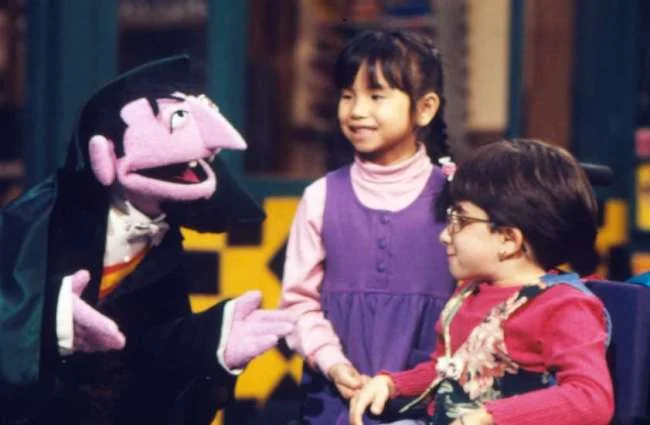
For more than half a century, CPB has been instrumental in supporting public shows like “Sesame Street” and “Mister Rogers’ Neighborhood,” which have become cultural icons. These programs not only entertained but also educated generations of children. The organization has played a crucial role in ensuring that all Americans—regardless of geography, income, or background—had access to trusted news, educational programming, and local storytelling.
A Prophetic Decision
According to Patricia Harrison, the President and CEO of CPB, “For more than half a century, CPB existed to ensure that all Americans had access to trusted news, educational programming, and local storytelling. When the Administration and Congress rescinded federal funding, our Board faced a profound responsibility: CPB’s final act would be to protect the integrity of the public media system and the democratic values by dissolving, rather than allowing the organization to remain defunded and vulnerable to additional attacks.”
The Future of Public Media
While the CPB may no longer exist as a federal entity, its mission lives on. The board has announced that it will complete the responsible distribution of all remaining funds in accordance with Congress’ intent. Additionally, the organization will provide support to the American Archive of Public Broadcasting to continue digitizing and preserving historic content.
CPB’s own archives—dating back to 1967—will be preserved in partnership with the University of Maryland and made accessible to the public.
President Harrison emphasized that “Public media remains essential to a healthy democracy. Our hope is that future leaders and generations will recognize its value, defend its independence, and continue the work of ensuring that trustworthy, educational, and community-centered media remains accessible to all Americans.”
The Impact on Public Media
This decision has significant implications for public media in America. While local stations and programs are not immediately going anywhere, their mission just got a whole lot harder without the backing of CPB. The organization’s dissolution means that public media will have to navigate its future with fewer resources and support.
A New Chapter
Despite the challenges, Ruby Calvert, Chair of CPB’s Board of Directors, expressed confidence in the resilience of public media: “After nearly six decades of innovative, educational public television and radio service, Congress eliminated all funding for CPB, leaving the Board with no way to continue the organization or support the public media system that depends on it. Yet, even in this moment, I am convinced that public media will survive, and that a new Congress will address public media’s role in our country because it is critical to our children’s education, history, culture, and democracy.”
The move by CPB to dissolve rather than face further attacks highlights the ongoing political battles over the funding and independence of public broadcasting. As we look towards the future, the legacy of CPB will continue to influence public media’s trajectory in America.