Key Highlights
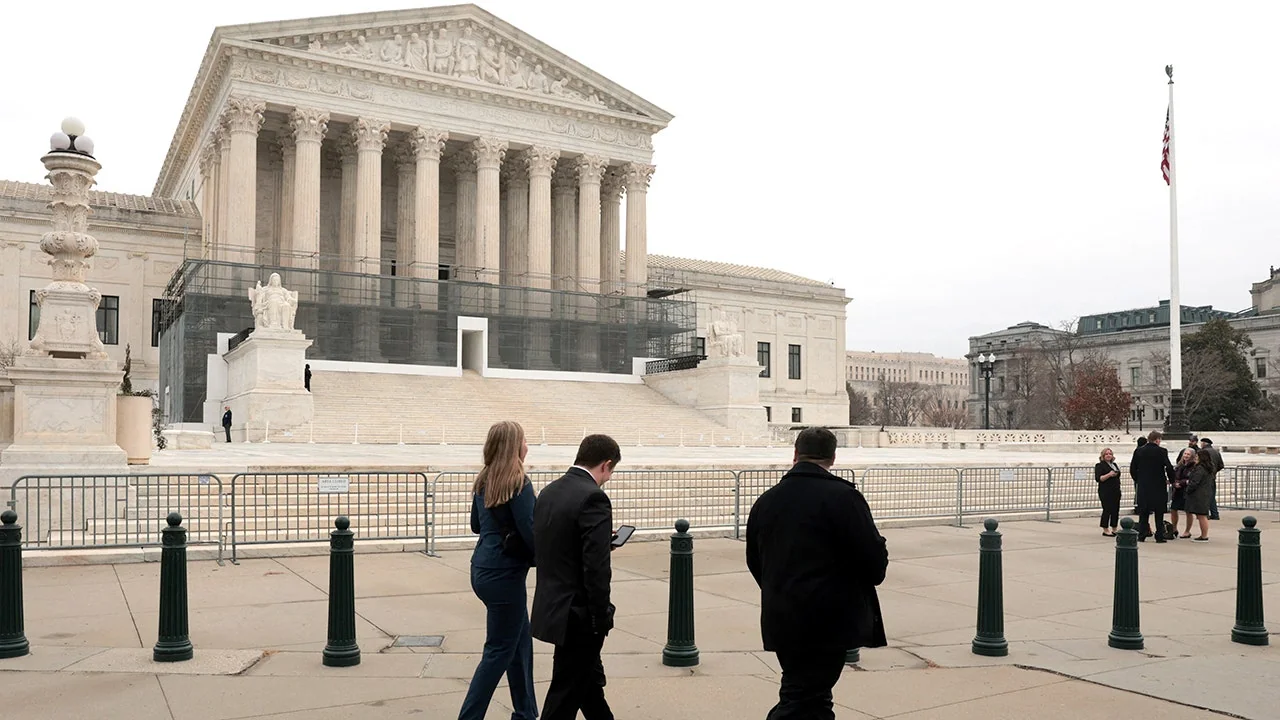
- The Supreme Court is set to hear arguments in two cases that could determine whether states can ban transgender athletes who identify as women from competing on girls’ and women’s sports teams.
- The cases, Little v. Hecox and West Virginia v. B.P.J., examine state bans under Title IX and the Constitution’s equal protection clause.
- West Virginia Attorney General JB McCuskey argued that separating sports based on biological sex preserves fairness and safety for female athletes.
- The ACLU represents transgender athletes, arguing that the challenged laws unlawfully discriminate against people who identify as women by excluding them from women’s sports.
- A ruling in favor of the plaintiffs could limit state power to adopt similar bans and broaden interpretations of federal nondiscrimination protections.
The Legal Battle for Women’s Sports
The Supreme Court is set to weigh in on a contentious issue that has divided states, athletes, and legal experts: the right of transgender women to compete in girls’ and women’s sports teams. The cases, Little v. Hecox and West Virginia v. B.P.J., have garnered significant attention as they could reshape the landscape of transgender policies across the country.
The Arguments Before the Court
The oral arguments in these cases are scheduled for Tuesday, January 13, 2026, at 10 a.m., with each case receiving an hour of discussion. The states of Idaho and West Virginia defend their laws prohibiting transgender women from competing on girls’ teams, citing concerns about fairness and safety. According to West Virginia Attorney General JB McCuskey, “It’s about Title IX.
It’s about equal protection, and it’s also about common sense, but mostly it’s about protecting women in both academia and on the athletic field.”
McCuskey’s arguments echo those of other proponents, who maintain that separating sports based on biological sex preserves fairness and safety for female athletes and is consistent with Title IX’s definition of sex. The Trump administration supports these states, asserting that Title IX and equal protection permit sex-based distinctions in athletics.
The Opposition and Its Arguments
Transgender rights advocates argue that the bans are discriminatory and harmful to transgender athletes. The American Civil Liberties Union (ACLU) represents several transgender athletes, including Sadie Schreiner, who identifies as a transgender woman. “Categorically excluding kids from school sports just because they are transgender will only make our schools less safe and more hurtful places for all youth,” said ACLU attorneys.
The case of B.P.J., a 15-year-old athlete in West Virginia, highlights the personal stakes involved. Her legal battle is part of a broader debate that has attracted numerous amicus briefs from athletes, coaches, lawmakers, and state attorneys general on both sides of the issue.
Implications for Future Policies
A ruling in favor of the plaintiffs could limit states’ power to adopt similar bans and broaden interpretations of federal nondiscrimination protections. Conversely, a decision for the states would uphold their bans and influence other transgender policy disputes, such as bathroom policies and sex designation on documents like passports and driver’s licenses.
McCuskey predicts that the Supreme Court will rule in favor of the states 9-0, aligning with his view that all 50 states should pass similar laws to the Save Women’s Sports Act. “Ideally, in my mind, what would happen is that all 50 states in the federal government pass a similar law to the Save Women’s Sports Act and women’s playing fields will be exclusive to biological women,” he stated.
The Supreme Court’s decision could have far-reaching consequences for transgender athletes and policies nationwide. As the oral arguments approach, stakeholders from various sectors are closely watching this landmark case.