Key Highlights
- The Minnesota Supreme Court ruled that USA Powerlifting violated the state’s Human Rights Act by discriminating against a transgender woman in 2018.
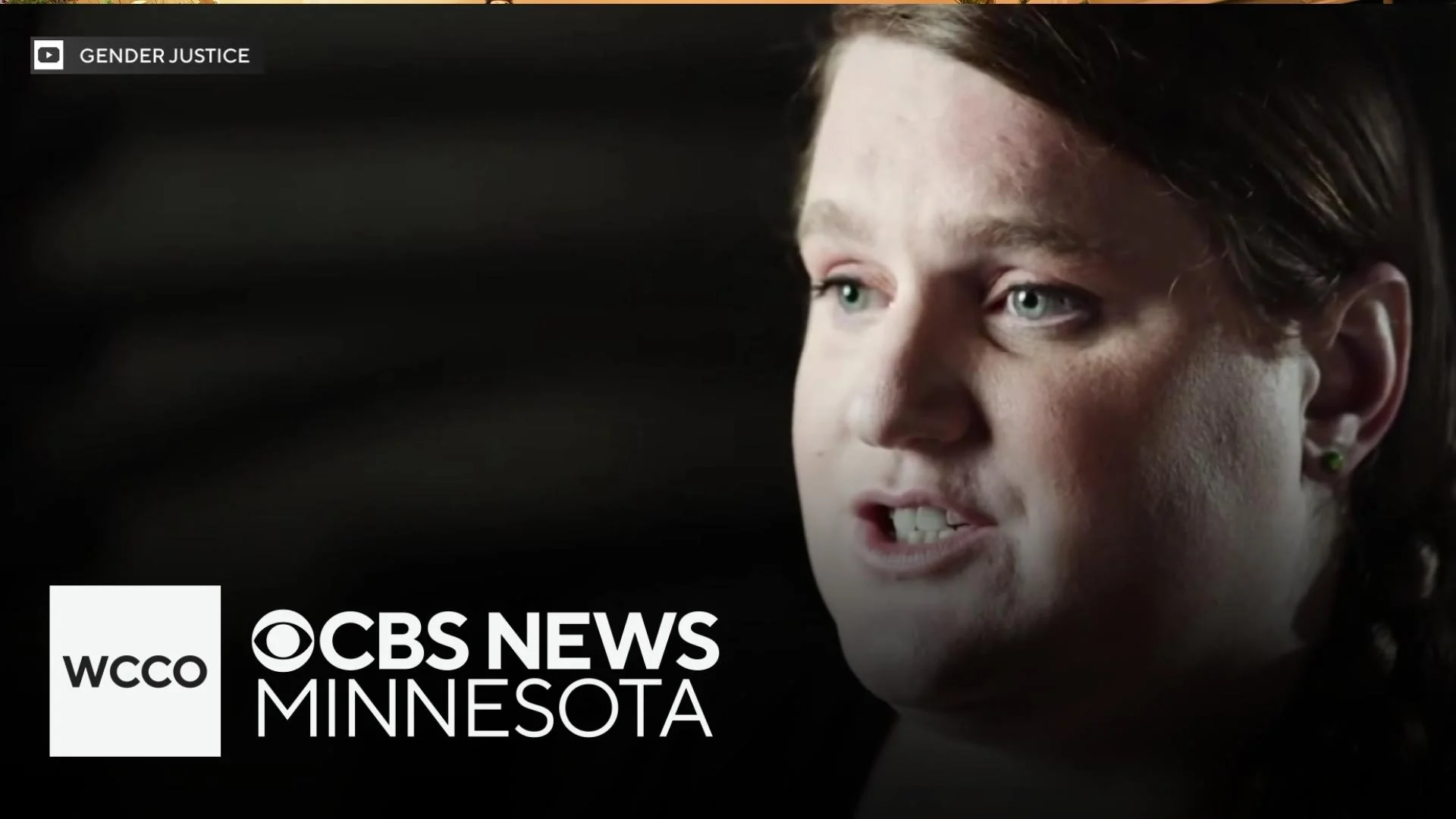
- JayCee Cooper, a transgender athlete, was denied entry into two women’s competitions and sued for discrimination under Minnesota’s Human Rights Act.
- The Supreme Court sent part of the case back to a lower court for further review on business discrimination claims related to excluding transgender athletes.
- Gender Justice Legal Director Jess Braverman praised the ruling, while USA Powerlifting’s attorney Ansis Viksnins expressed concerns over potential conflicts with federal policies.
Background and Context of the Case
The case involves JayCee Cooper, a transgender woman who was denied participation in two women’s competitions by USA Powerlifting in 2018. Cooper argued that this exclusion amounted to discrimination under Minnesota’s Human Rights Act.
USA Powerlifting contended that its policy against transgender athletes wasn’t based on their gender identity but rather on strength advantages due to the athlete’s sex assigned at birth. The organization’s stance was supported by a 2015 Duke University study suggesting that male-born individuals who transition to female may retain some physical characteristics of their former gender.
Legal Ruling and Its Implications
The Minnesota Supreme Court’s ruling on Wednesday affirmed that USA Powerlifting violated the state’s Human Rights Act. The court noted that while USA Powerlifting had no formal transgender participation policy at the time, its practice was to exclude all transgender women from competing in women’s divisions.
“Although USA Powerlifting lacked a formal, written transgender participation policy at the time of its initial communication with Cooper, the record establishes—and the parties do not dispute—that USA Powerlifting’s policy at the time of the decision was to categorically exclude transgender women from competing in the women’s division,”
The court further instructed that USA Powerlifting must establish several criteria: whether excluding transgender women is necessary for achieving its business mission, if there are no reasonable alternatives, and whether the exclusion isn’t based on stereotypes about transgender women.
Future Implications and Legal Battles
This decision could set a precedent in sports discrimination cases. Ansis Viksnins, USA Powerlifting’s attorney, stated that they will use this opportunity to present evidence supporting their stance that excluding transgender women is necessary for maintaining the integrity of female competition.
“What the Supreme Court did was to hold that there were questions, legitimate questions, for a jury to decide on the business discrimination part of the case, specifically whether USA Powerlifting had a legitimate business reason for not allowing Ms. Cooper to compete in the women’s division,”
The ruling also addresses potential conflicts with federal policies.
Lisa Demuth, the Minnesota House Speaker, criticized the decision as another setback in protecting girls’ sports. She emphasized the importance of safety and fairness in competitions.
Expert Opinions and Broader Implications for Transgender Athletes
According to Jess Braverman from Gender Justice, the ruling is a significant victory. She stated that even if USA Powerlifting were successful on their business discrimination claim, Cooper would still win on public accommodations due to Minnesota’s anti-discrimination laws.
“JayCee Cooper won on public accommodations. That’s not changing no matter what,”
The decision also highlights the tension between state and federal policies regarding transgender athletes in sports.
As federal officials threaten enforcement against states allowing transgender athletes to compete, this case may influence future legal battles.
Overall, the Minnesota Supreme Court’s ruling sends a strong message about the protection of transgender athletes under state law while leaving open questions for the business discrimination claim. This case is likely to have far-reaching implications in the ongoing debate over gender identity and athletic competition.