Key Highlights
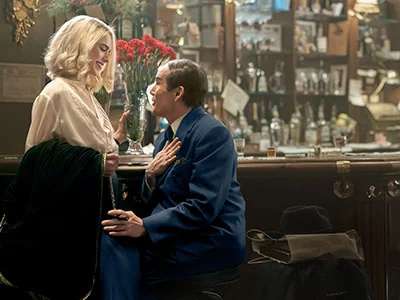
- “Blue Moon” captures the pivotal moment in Broadway history with performances by Ethan Hawke as Lorenz Hart and Andrew Scott as Richard Rodgers.
- The film delves into the creative process behind iconic musicals, highlighting the struggles and triumphs of Rodgers and Hart’s partnership.
- Actors share insights on what it was like to portray the legendary composers during a critical period in their careers.
The Art of Storytelling: “Blue Moon” Captures Broadway’s History
“Blue Moon, a film that chronicles the transformative era at the heart of Rodgers and Hammerstein and the end of Rodgers and Hart, brings the magic of Broadway to life on screen. The movie, directed by Michael Grandage, stars Andrew Scott as Richard Rodgers and Ethan Hawke as Lorenz Hart, showcasing their tumultuous partnership through a poignant narrative.”
Behind-the-Scenes Insights from the Actors
Ethan Hawke, who brings Hart to life, shared his reflections on portraying the iconic composer. “It’s so interesting what you’re saying because it’s you’re feeling the opposite thing of what the obvious thing is to feel,” Hawke explained. “It is a triumph for Rodgers, and there’s a pervasive sadness that he’s the one person who understands really what the loss is here.” He added, “And he’s not sure that he’s going to land on the other horizon.”
Andrew Scott, playing Rodgers, echoed these sentiments: “Because it’s painful to watch because, of course, we then are then the audience has a job to do,” he said. “To be able to see, oh God, they really were floundering there. See people smoking and going, etcetera, or getting on each other’s nerves or taking a break because of, you know, when they’re when they’re dressed and they go home and take a bath, you know, that’s the kind of stuff that you want to know.”
Exploring the Creative Process
The film offers a unique glimpse into the creative process behind some of Broadway’s most beloved musicals. “If they got to sit down between Hart and Rodgers, they’d have some interesting questions,” Hawke said. “I would like to know how they rehearsed. Like how do you like, wow. What was it like when they’re trying to do the first time they’re doing ‘My Funny Valentine?’ Like, how do you find that when you’re directing the performer to sing it?
What’s the important thing and what are they thinking about?”
Scott added, “That’s the part where the magic happens. To be able to see, oh God, they really were floundering there. See people smoking and going, etcetera, or getting on each other’s nerves or taking a break because of, you know, when they’re when they’re dressed and they go home and take a bath, you know, that’s the kind of stuff that you want to know.” He continued, “And I always thought, well, that’s words to live by. Just go down swinging.”
Personal Influences: A Shared Love for Cinema
The actors also shared their personal influences from growing up in cinema. “This is kind of of easy for me because for some reason, I wrote it,” Hawke said about a particular film that has been influential to him. “I had it on my wall for years. I’ve just it was on my door when I first got my first apartment. I put it on my door, which is R.P.
McMurphy from ‘One Flew Over the Cuckoo’s Nest.’ He said, well, ‘At least I tried.’ And I love that line because he tries to rip up the sink and throw it through the window, and he loses the bet. But he says, well, ‘At least I tried.'”
Scott echoed a similar sentiment: “That’s words to live by. Just go down swinging,” he added.
“Blue Moon” is not just a tribute to these legendary composers but also a celebration of their contributions to the world of theater and music.
The film offers viewers a chance to step back in time and experience the creative process that brought some of Broadway’s most memorable works to life. As Hawke and Scott share their experiences, they remind us that behind every masterpiece is a story worth telling.