Key Highlights
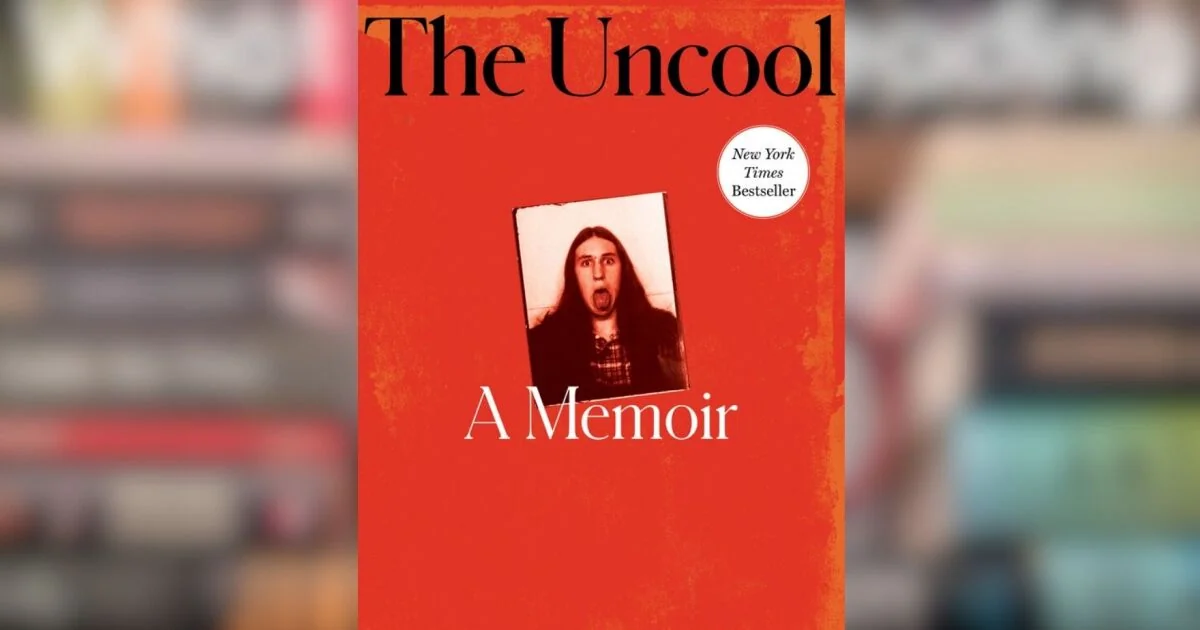
- Cameron Crowe’s new memoir “The Uncool” is a personal journey through his early years as a music journalist.
- The book covers Crowe’s interviews with legendary musicians and the behind-the-scenes of his work for Rolling Stone magazine.
- “The Uncool” provides an intimate look into Crowe’s experiences and the impact of music on his life and career.
- The memoir includes stories from Crowe’s time writing Fast Times at Ridgemont High, a film based on his own experiences.
Introduction to “The Uncool”: A Journey Through Music Journalism
Cameron Crowe’s new book, “The Uncool,” is an intimate look into the early days of his career as a music journalist. Published in December 2025, this memoir takes readers back to the bygone era of rock ‘n’ roll and the influential musicians who shaped it.
Early Beginnings: A Teenage Journalist’s Rise
In “The Uncool,” Crowe recounts his journey from a young boy with big dreams to a seasoned journalist. At just 15 years old, he was interviewing bands for Rolling Stone magazine, including Wild Turkey and The Eagles. These early experiences set the stage for his future success in writing and directing critically acclaimed films such as “Say Anything” (1989) and “Almost Famous” (2000).
Behind-the-Scenes Access: Unparalleled Interviews
What makes “The Uncool” particularly special is Crowe’s ability to secure unprecedented access to legendary musicians. He spent weeks with David Bowie, hung out with Led Zeppelin, and even lived with Glenn Frey and Don Henley for a short time. These experiences provided him with unique insights into the music industry and the personal lives of these artists.
Personal Reflections: The Cost of Fame
Despite the excitement of his work, Crowe reflects on the sacrifices he made. He traded adolescence for a backstage pass to the world of rock ‘n’ roll. This introspection adds depth to the narrative, making it not just a story about music but also about personal growth and the price of ambition.
Conclusion
The Power of Music in Life
“The Uncool” is more than just a memoir; it’s a celebration of music’s ability to move us and bring people together. Crowe’s experiences as both a journalist and filmmaker underscore the enduring impact of musical stories on popular culture. His reflections on his mother Alice, who provided him with invaluable advice throughout his life, add a personal touch that makes the book even more compelling.
For those interested in the history of music journalism or the lives of influential musicians, “The Uncool” is an essential read. It offers a rare glimpse into a bygone era and the enduring legacy of Cameron Crowe’s work.