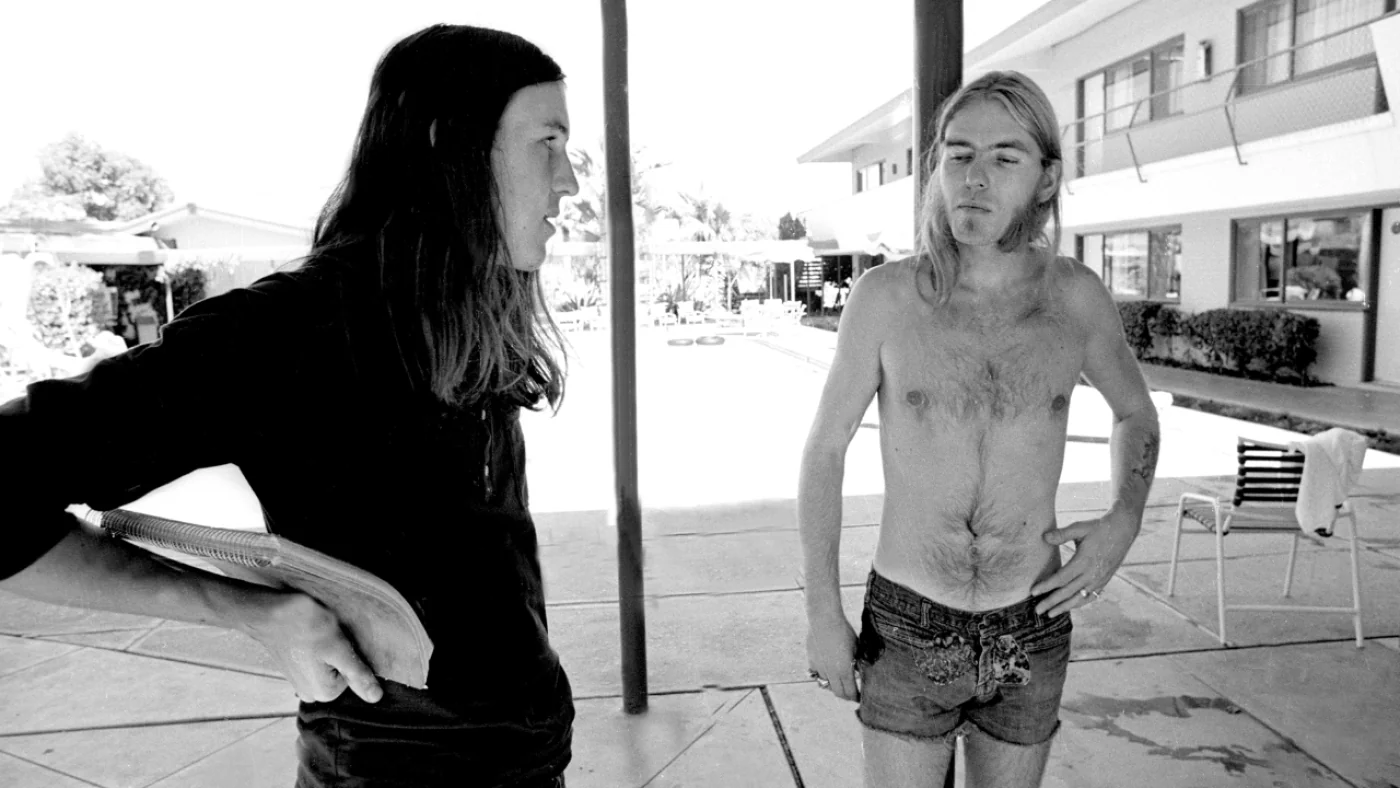
Key Highlights
- Cameron Crowe’s new memoir, “The Uncool,” reflects on his adventures as a teenage music journalist in the 1970s.
- He credits San Diego for providing opportunities to interview musicians like Gregg Allman and David Bowie.
- Reflecting on interviews with rock stars, Crowe emphasizes the authenticity of their responses over polished answers.
- The book is based on his saved interview tapes from that era, offering insights into the early days of music journalism.
The Rise of a Teenage Music Journalist
Cameron Crowe’s journey as a music journalist began in 1973 when he was just fifteen years old. At that tender age, he landed an interview with Gregg Allman, a significant moment in his career.
By the time he turned sixteen, Crowe had penned his first cover story for Rolling Stone magazine. These early experiences laid the groundwork for his future success as a filmmaker and writer, best known for directing films like “Almost Famous.”
The Impact of Early Success
Crowe attributes much of his early success to San Diego, which served as a hub for musicians touring through the city. By the end of their tour, he explains, these artists were often open to candid conversations with him.
“Here’s a kid that comes to the door with a notebook full of questions based on the music that nobody was really asking them about,” Crowe says. “They’re like, ‘Get that kid in here. Come on, we’re bored. Let him ask us those questions.'”
The Uncool: A Badge of Honor
In his new memoir, “The Uncool,” Crowe delves into the misadventures and triumphs of his early career as a journalist. He reflects on how he convinced his parents to allow him to tour with rock bands at age fifteen.
“Because we love the interviewer Dick Cavett in our family, go and take this journey, put on your magic shoes, call me every night, and don’t take drugs.” This was Crowe’s mother’s advice before he embarked on his first big adventure with Led Zeppelin.
Additionally, Crowe recounts how he learned to navigate the world of rock stars, including a memorable interview with David Bowie in 1976. Bowie famously stated that his death would be managed as an event rather than a tragic accident.
The Legacy of Rock Journalism
Crowe’s experience as a young journalist influenced not only his writing but also his approach to filmmaking, particularly in “Almost Famous.” His reflections on how musicians speak candidly and vulnerably are central themes in the film.
“I transcribed all my interviews myself, so I knew that people don’t talk elegantly, but they can pour their heart out in half sentences,” Crowe says. “So it was really one big magic carpet ride of learning about people.”
For Crowe, the term “uncool” is a badge of honor, representing authenticity and staying true to oneself despite societal pressures to conform.
Expert Perspectives
Industry experts agree that Crowe’s memoir provides valuable insights into the evolution of rock journalism. By preserving his original interview tapes, he offers readers an unfiltered view of conversations with iconic musicians from the 1970s.
“Crowe’s work is a testament to the power of young voices in shaping cultural narratives,” says music historian Dr. Jane Smith. “His memoir not only documents a bygone era but also serves as a guide for aspiring journalists.”
Cameron Crowe’s journey from a fifteen-year-old music journalist to an Oscar-winning filmmaker underscores the enduring impact of early experiences on one’s career path. Through his new memoir, he invites readers to explore the uncool truths behind the rock and roll legends.