Key Highlights
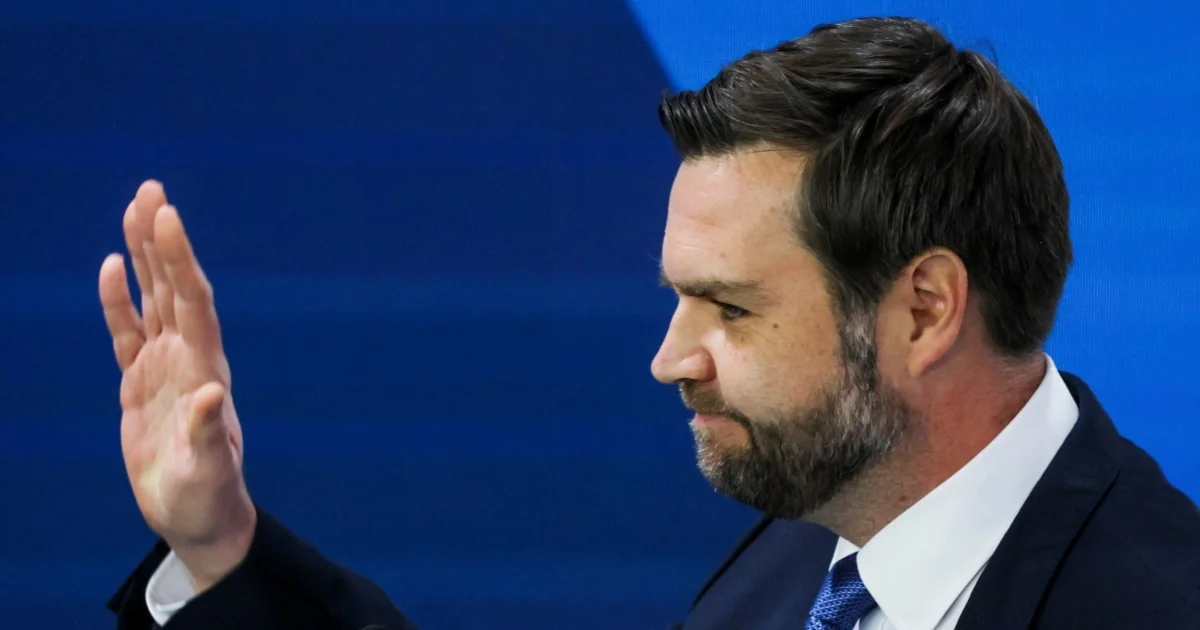
- Vice President JD Vance is set to visit Baku and Yerevan but not Tbilisi.
- Georgia’s role in US regional diplomacy has diminished since the rise of Georgian Dream.
- Georgian officials have been largely absent from high-level Western forums, unlike their counterparts in Azerbaijan and Armenia.
Once Washington’s closest partner in the South Caucasus, Georgia now finds itself sidelined. The stage is set for a visit by Vice President JD Vance to Baku and Yerevan, but Tbilisi must watch from afar as it grapples with its new geopolitical realities.
The Decline of Georgian Influence
Decades ago, Georgia was seen as the most Western-leaning democracy in the region. Now, that narrative has changed. Analysts point to a series of factors contributing to this shift: democratic backsliding under the Georgian Dream government, increased engagement with China and Russia, and a perceived lack of US interest.
The Georgian Dream, led by Bidzina Ivanishvili, has been criticized for its relationship with Western partners.
Following a contentious election in 2024, the Organization for Security and Cooperation in Europe flagged numerous irregularities. The resulting street protests were met with violent responses from security forces, leading to US sanctions.
From Cold War Allies to Cold Shoulder
The vibrant relationship between Georgia and Washington was once marked by mutual respect. Yet, the George W Bush Avenue, named after a former US president, now stands as a relic of a past partnership. Recent developments suggest that Tbilisi’s strategic position is no longer seen as crucial.
In 2016, Donald Trump launched his Board of Peace initiative, inviting almost every country in the region except Georgia. The snub was clear and stark: Azerbaijan and Armenia received invitations to what he calls “the most consequential bodies ever created.” Georgia’s exclusion underscores a changing geopolitical landscape.
The Eastward Pivot
As Georgia looks east, its relationship with China and Russia has deepened. This shift is evident in its growing alignment with Beijing, particularly through projects like the Anaklia deep port construction. However, this move comes at a cost: Tbilisi’s diminished standing in Washington.
Vice President Vance’s upcoming visit highlights the continuing US focus on Azerbaijan and Armenia.
Yet, it also raises questions about Georgia’s future role. Analysts suggest that while Tbilisi may seek closer ties with China for economic reasons, these moves are seen as a sabotage of its historical relationships.
The Strategic Dilemma
Some argue that Georgia’s pivot eastward is driven by strategic calculations. Professor Vakhtang Partsvania notes: “By elevating China to a strategic partner, inviting Chinese companies into critical infrastructure like the Anaklia deep port construction project, and attacking longtime pro-Georgia advocates in Congress, Georgia has undermined the very coalition in Washington that supported it for decades.” This shift is not without its challenges.
Georgian officials face a difficult choice: balance economic interests with historical alliances. While Beijing views Georgia through the lens of Russia’s sphere of influence, Moscow remains preoccupied with its war in Ukraine. Analysts like Kornely Kakachia argue that Tbilisi must navigate this complex landscape carefully.
A Future Uncertain
The future for Georgia is far from certain. Prime Minister Irakli Kobakhidze has expressed willingness to renew a strategic partnership, but the road ahead is fraught with challenges. As Tbilisi continues to pivot eastward, it must find a way to maintain its Western alliances while addressing domestic and regional pressures.
As Vice President Vance embarks on his visit, Georgia watches from the sidelines, hoping for renewed attention from Washington. The question remains: Where does Georgia fit in?