Key Highlights
- Norovirus cases are rising in California this winter season.
- A new subvariant, GII.17, could increase the severity of outbreaks.
- Washing hands with soap is crucial for protection against norovirus.
- The virus causes significant disruptions and can be deadly among seniors.
The Deteriorating Norovirus Outbreak in California
Amid the chill of winter, a familiar foe has reemerged with renewed vigor. The norovirus, colloquially known as the “vomiting bug,” is making its annual resurgence in California, prompting public health officials to issue warnings about a new strain that could exacerbate the situation.
Worsening Outbreaks and New Strain
In L.A. County, concentrations of norovirus have been on the rise in wastewater samples, signaling an uptick in disease circulation. The California Department of Public Health reports a notable increase in norovirus levels across multiple regions, with particularly alarming trends observed in the San Francisco Bay Area and Los Angeles.
Nationally, there has also been a significant rise in norovirus test positivity rates, especially in the Western U.S.
The emergence of a new subvariant, GII.17, is clouding the picture. According to the CDC, this strain could result in 50% more illness than typical cases. Dr. Peter Chin-Hong from UC San Francisco notes that if the immune system isn’t accustomed to a particular norovirus variant, many people can become infected.
Historical Context and Impact
The GII.17 strain emerged during last winter’s norovirus surge and ultimately accounted for about 75% of national outbreaks. Its prominence coincided with an unusually severe year that started early in October 2024, peaked earlier than usual the following January, and extended into the summer months.
Dr. Chin-Hong explains that during the three prior seasons when GII.4 was dominant, norovirus activity remained relatively stable.
However, this new subvariant has brought about significant disruptions. An elementary school in Massachusetts had to cancel classes due to a high volume of stomach illness cases suspected to be driven by norovirus.
Preventive Measures and Expert Advice
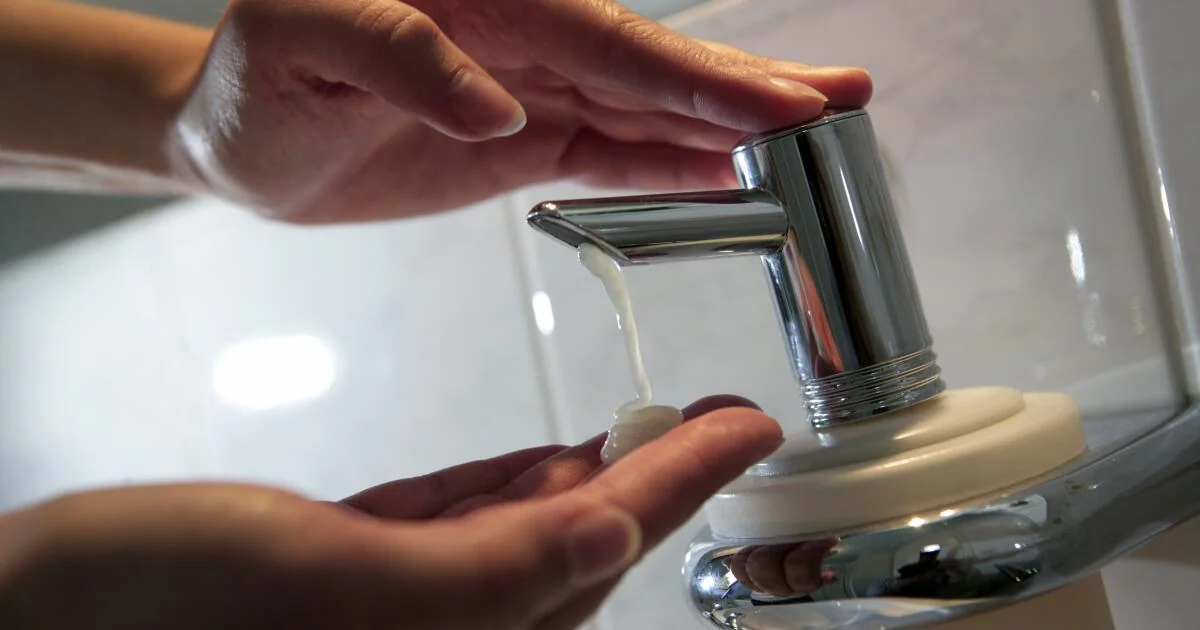
To combat the norovirus effectively, public health experts emphasize the importance of proper handwashing with soap. Hand sanitizers are not as effective against this virus, making thorough handwashing a critical preventive measure. People should lather their hands for at least 20 seconds, ensuring to clean the back of the hands, between fingers, and under nails.
Dr.
Chin-Hong recommends staying home for 48 hours after infection and washing laundry in hot water. He notes that norovirus can spread quickly in various settings such as schools, cruise ships, day-care centers, and prisons. The most recent outbreak on a cruise ship reported by the CDC involves the AIDAdiva, with 4.8% of passengers reporting illness.
While many people recover from norovirus within one to three days, immune-compromised individuals may experience prolonged symptoms.
Children under five and adults over 85 are most at risk for severe complications, including hospitalization and death due to dehydration. Symptoms include profound diarrhea, persistent vomiting, and significant dehydration.
Health authorities advise those experiencing severe symptoms to seek medical attention immediately. Sports drinks can help with mild dehydration, but oral rehydration fluids purchased over the counter may be more effective. Experts also warn that people living in close quarters or sharing surfaces should thoroughly clean contaminated areas to prevent further spread of the virus.